Most Australians put off wills and estates planning because it feels distant and complicated. The reality is that without a solid plan, your family faces unnecessary stress, delays, and exorbitant costs when you are gone.
At Jameson Law, we have seen firsthand how the right estate arrangements protect what matters most. This guide walks you through the essentials so you can take action with absolute confidence.
Why Estate Planning Matters Now
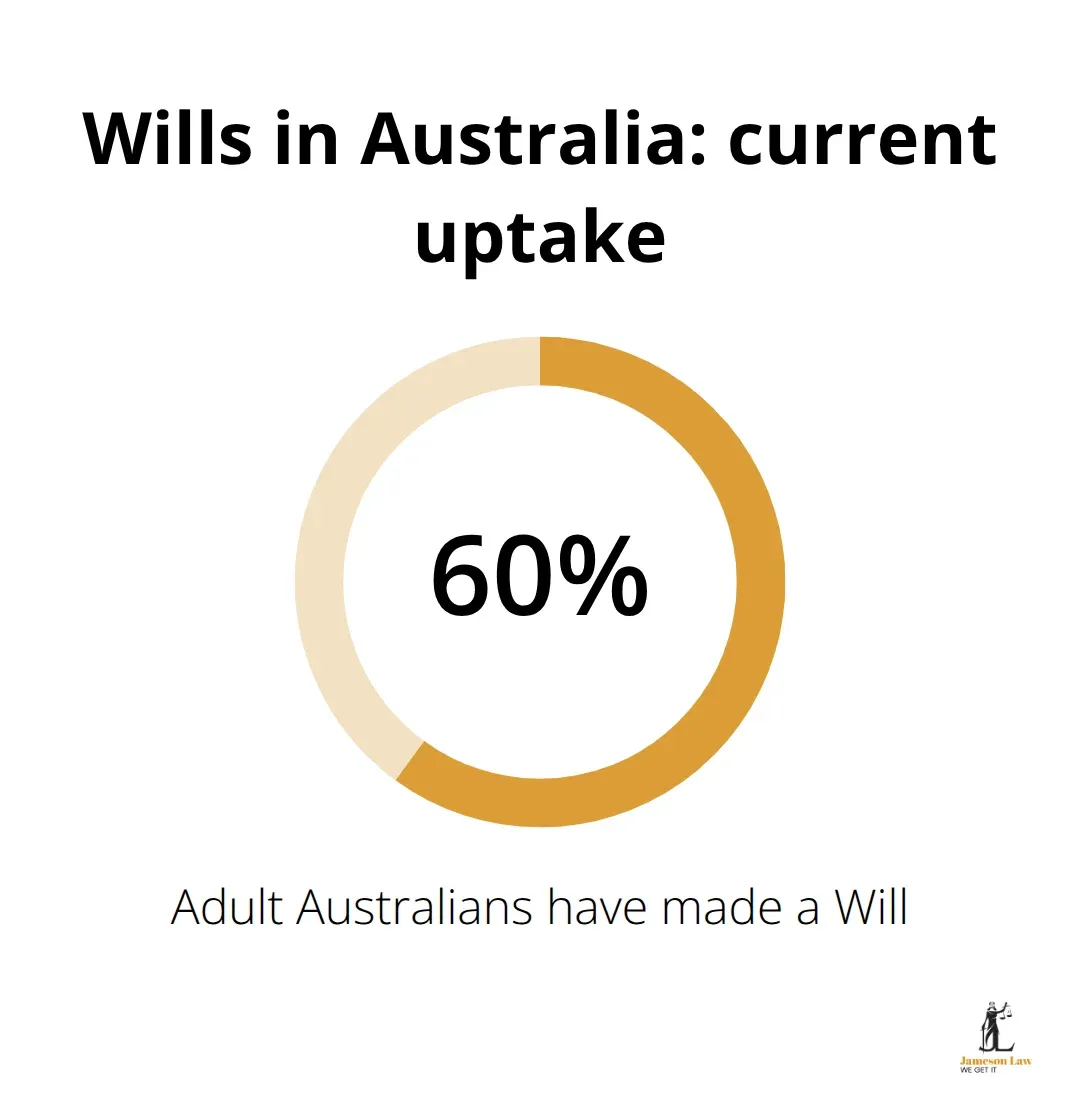
About 60% of adult Australians have made a will, according to the Australian Law Reform Commission. That leaves roughly 12 million people without a plan. When someone dies without a Will (intestate), strict state laws dictate who gets what, and courts appoint someone to handle the estate.
This process takes longer, costs more, and frequently produces outcomes that do not reflect what the deceased actually wanted. Preventable disputes tear families apart when no clear direction exists. The practical reality is this: a properly drafted estate plan costs far less now than the legal chaos that follows without one.
Your Assets Distribute According to Law, Not Your Wishes
Without a Will, your property, investments, and personal belongings distribute according to state legislation. If you have minor children, the Supreme Court picks their guardian, not you. That alone should motivate action.
Tax inefficiency compounds the problem. Without planning, your estate pays more in taxes than necessary. Setting up testamentary trusts offers tax efficiency, asset protection, and controlled distribution after death, protecting beneficiaries from creditors, ex-spouses, and optimizing tax outcomes via the ATO.
The Financial Cost of Inaction
Estate administration without proper planning drains resources quickly. Contested estates in Australia cost a median of around $11,900 in initial legal fees and take about 9 months to resolve. Furthermore, 74% of contested Wills result in a change of distribution. Executors must notify the tax office, lodge the deceased’s final return, and manage complex reporting. Your estate loses value to delays, professional fees, and unnecessary taxes.
What Your Estate Plan Must Include
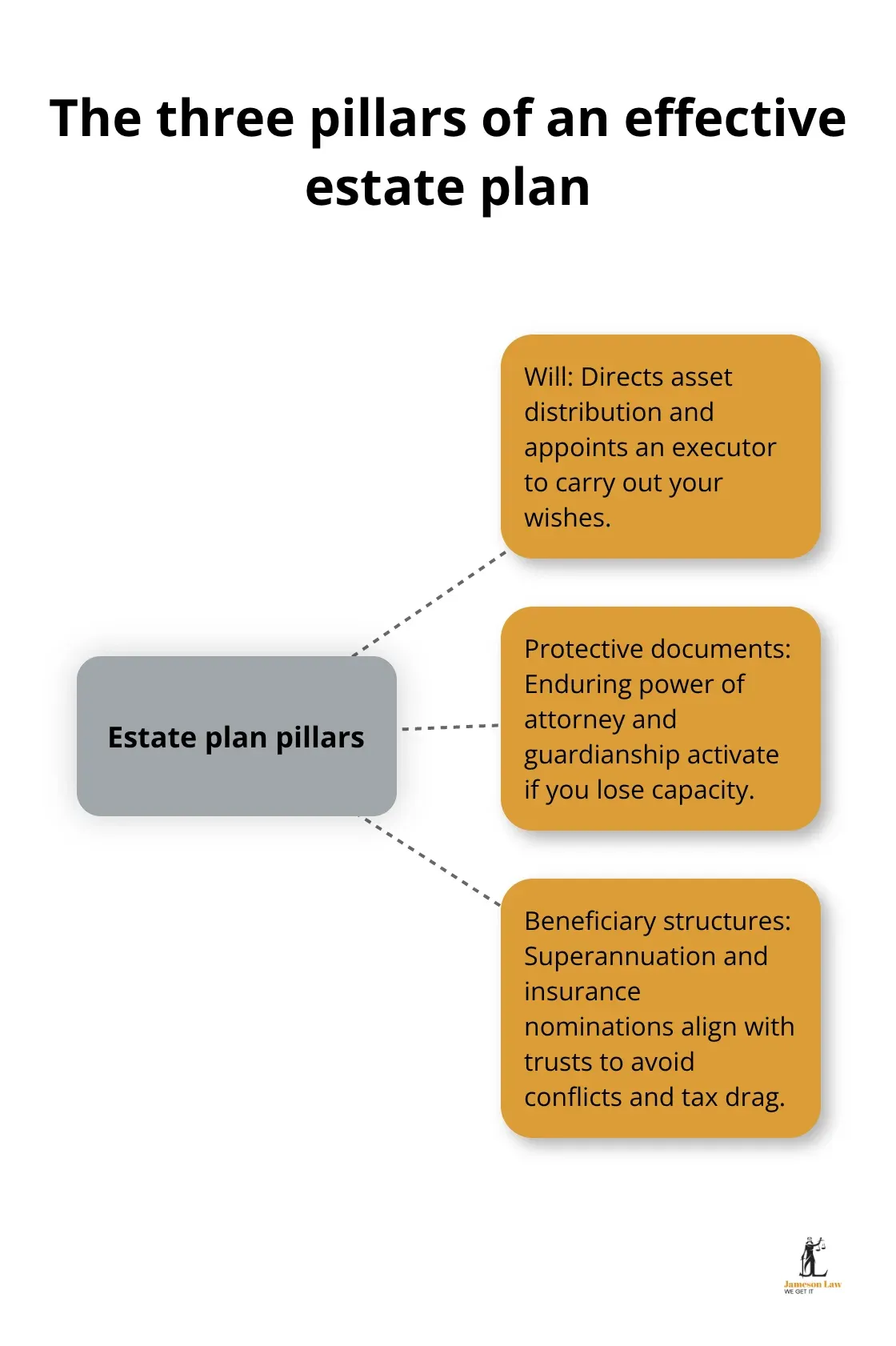
A comprehensive estate plan rests on three pillars: a valid Will that directs your assets, protective documents that activate if you lose capacity, and beneficiary structures that work together without conflict.
Your Will: The Foundation
A Will specifies how your assets distribute and names your executor. While online DIY Will makers might seem cheap, that savings evaporates fast if your Will misses superannuation nominations, creates unintended tax liabilities, or triggers legal disputes. A specialist lawyer reviews your specific circumstances, identifies tax risks, and flags assets you might forget.
Powers of Attorney and Guardianship: Lifetime Protection
Enduring Powers of Attorney and Guardianship documents activate during your lifetime if you lose mental capacity. An Enduring Power of Attorney lets your chosen person manage financial affairs, pay bills, and sell property without expensive court involvement. An Enduring Guardianship lets someone you trust make health and medical treatment decisions.
Superannuation and Life Insurance: Assets Outside Your Will
Beneficiary designations on superannuation and life insurance operate completely independently of your Will.
A Binding Death Benefit Nomination (BDBN) directs your super to specific people or to your estate. Without it, the super fund trustee has the absolute discretion to pay dependents instead of the beneficiaries outlined in your Will. Coordinate these designations with your Will so your family doesn’t lose a massive chunk of their inheritance to a 15% death benefit tax.
Estate Planning Mistakes That Cost Your Family Thousands
Life Changes Demand Updated Documents
Most estate plans fail because they are outdated. Marriage, divorce, the birth of children, or significant asset growth can render a Will written five years ago dangerously misaligned with your wishes. In fact, marrying after your Will is signed can completely revoke it in some jurisdictions.
Review your Will every three to five years and immediately after major life events. Do not assume your old plan still works.
Leaving Guardianship Decisions Unmade
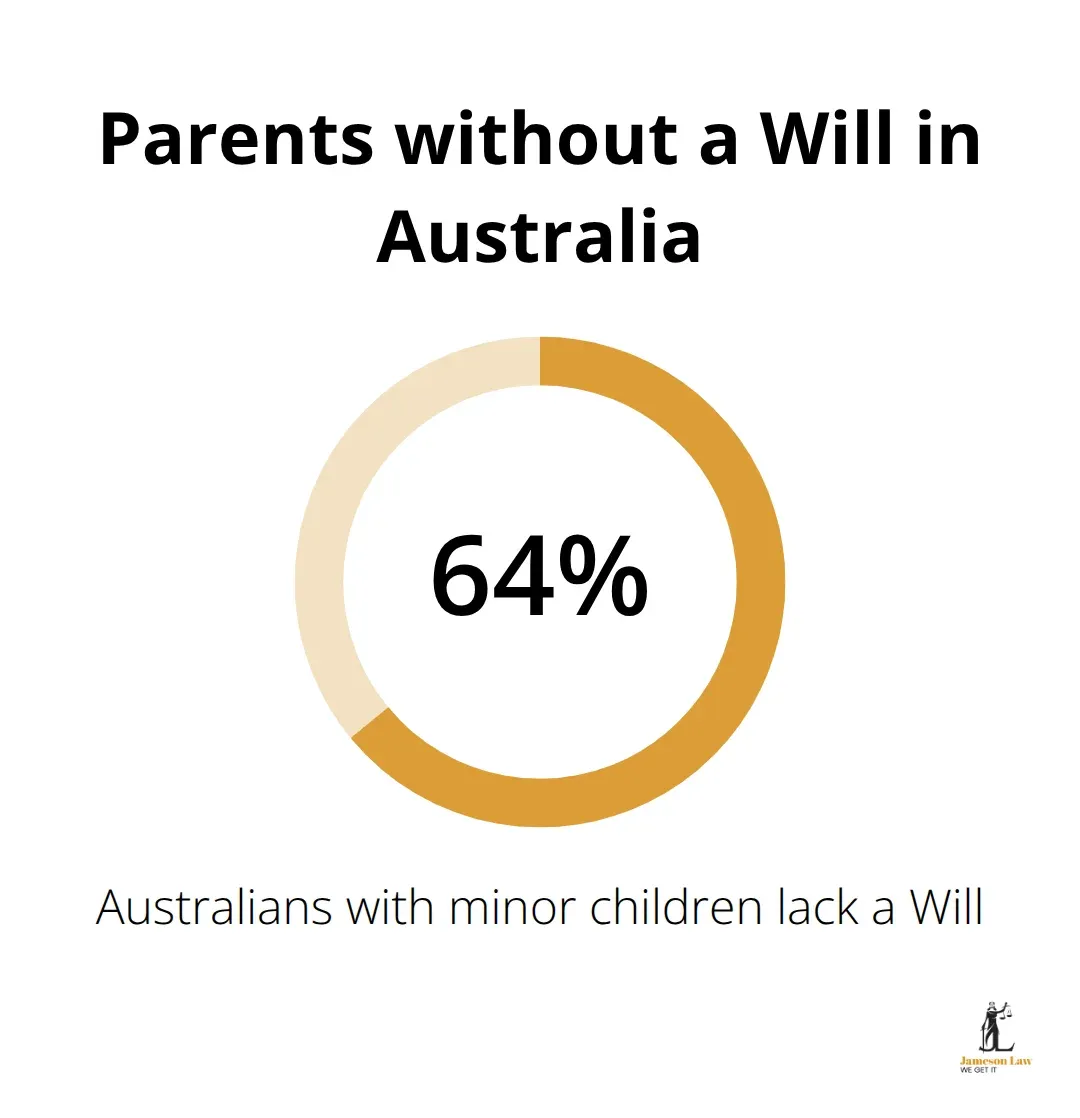
If both parents die without naming guardians for minor children, the court appoints someone based on what it deems best, not your preferences. Name your preferred guardians explicitly in your Will and discuss the responsibility with them beforehand to ensure your children are raised by someone who shares your values.
Final Thoughts
Wills and estates planning is not something you do once and forget—it is a living system that protects your family through life’s changes. The three core elements (a valid Will, protective documents like powers of attorney, and coordinated superannuation nominations) work together to prevent costly mistakes.
The “Great Wealth Transfer” will see $3.5 trillion inherited over the next 20 years in Australia. Your planning today determines whether your beneficiaries receive their inheritance intact or severely diminished by avoidable taxes and administrative court costs.
Professional guidance makes the difference between a plan that works and one that creates problems. We at Jameson Law have seen firsthand how proper estate planning protects what matters most. Contact Jameson Law today to discuss your estate plan and take control of your family’s future.