


Being arrested or facing bail conditions can feel overwhelming. At Jameson Law, we have helped countless NSW residents understand their bail information and navigate the court process with confidence in 2026.
Whether you’re dealing with bail for the first time or challenging existing conditions, knowing your rights makes a real difference. This guide walks you through what bail is, how it works, and what to expect in court.
Understanding Bail in NSW
Bail is a written agreement that allows you to be released from custody while your case progresses. Governed by the Bail Act 2013, it requires you to attend all court dates and comply with any conditions imposed.
How Courts Assess Bail Risk
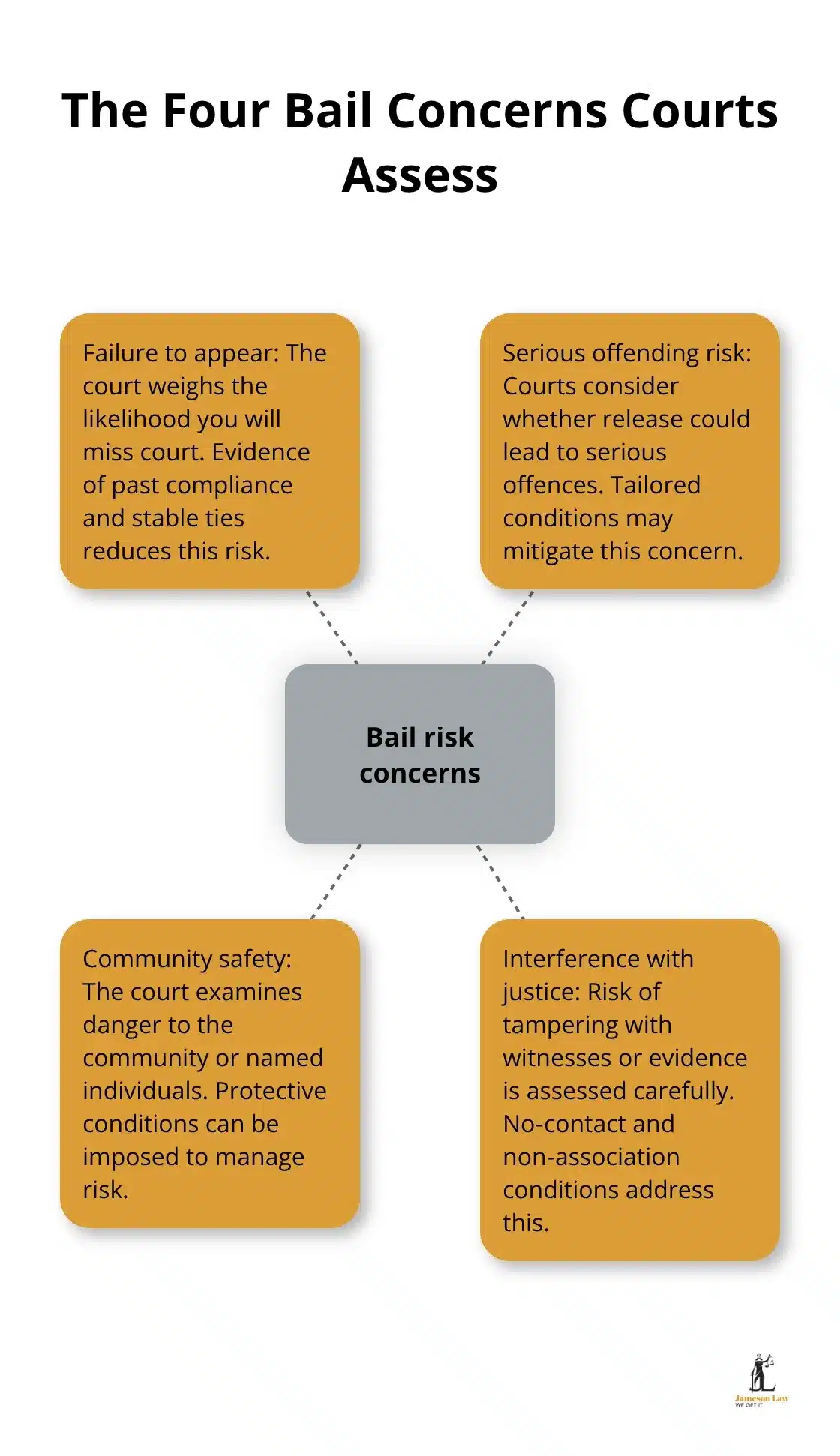
The court evaluates four specific bail concerns when deciding whether to release you:
- Risk of failing to appear.
- Risk of committing a serious offence.
- Danger to the community or specific individuals.
- Risk of interfering with witnesses or evidence.
Show Cause Requirements
For certain serious offences, you must show cause why detention is not justified. The Sentencing Council of NSW defines these as offences carrying life sentences or involving severe violence or firearms. This makes securing bail significantly harder.
Understanding Breach Consequences
According to BOCSAR reports, bail breaches can result in new charges and immediate revocation of bail. Clarity around your exact conditions is critical from day one to protect yourself from unintended violations.
Bail Conditions and Your Rights
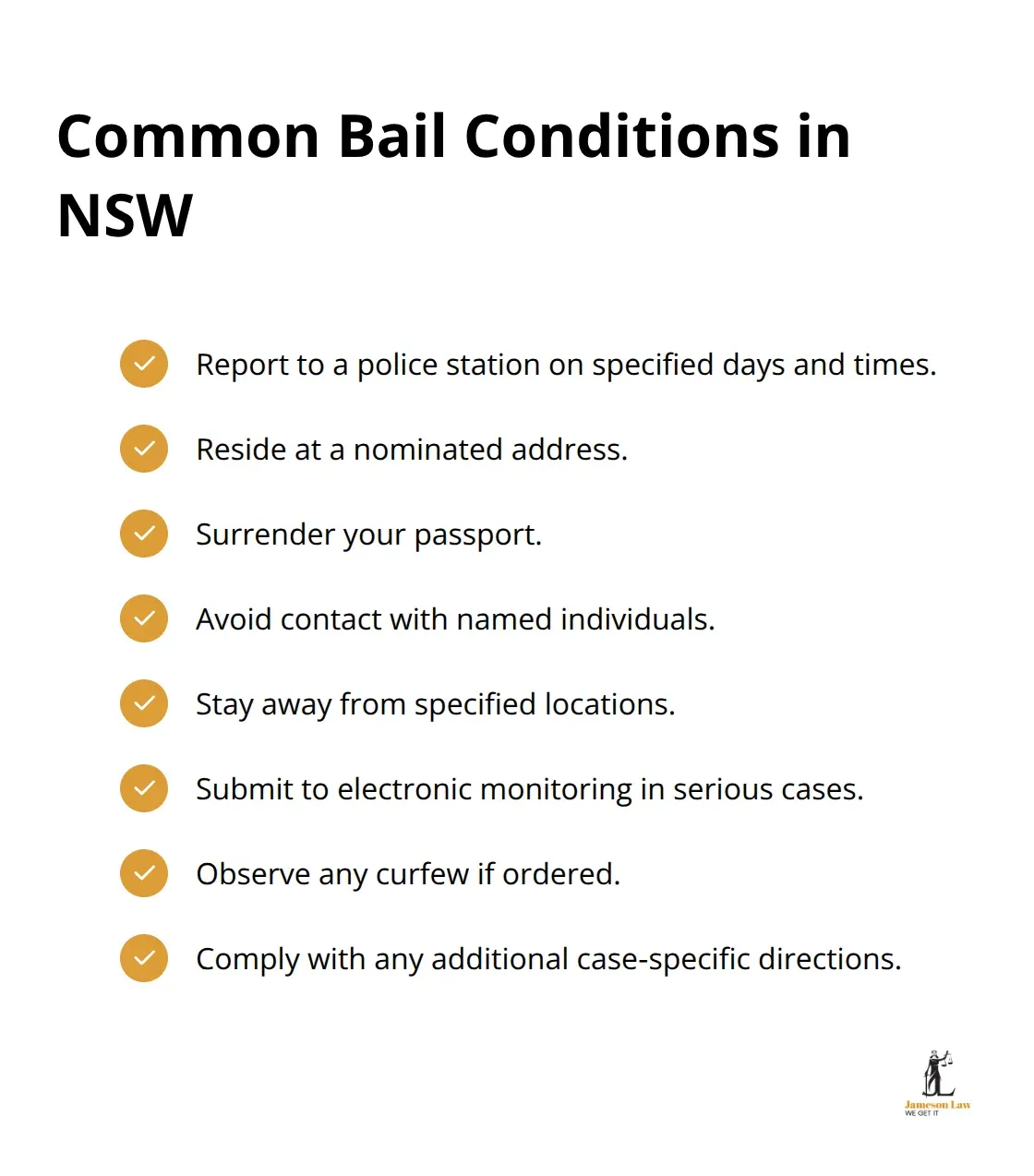
Courts must impose only the minimum conditions necessary to mitigate risk. Common conditions include reporting to police, residential requirements, and avoiding contact with specific individuals.
Modifying Your Bail Conditions
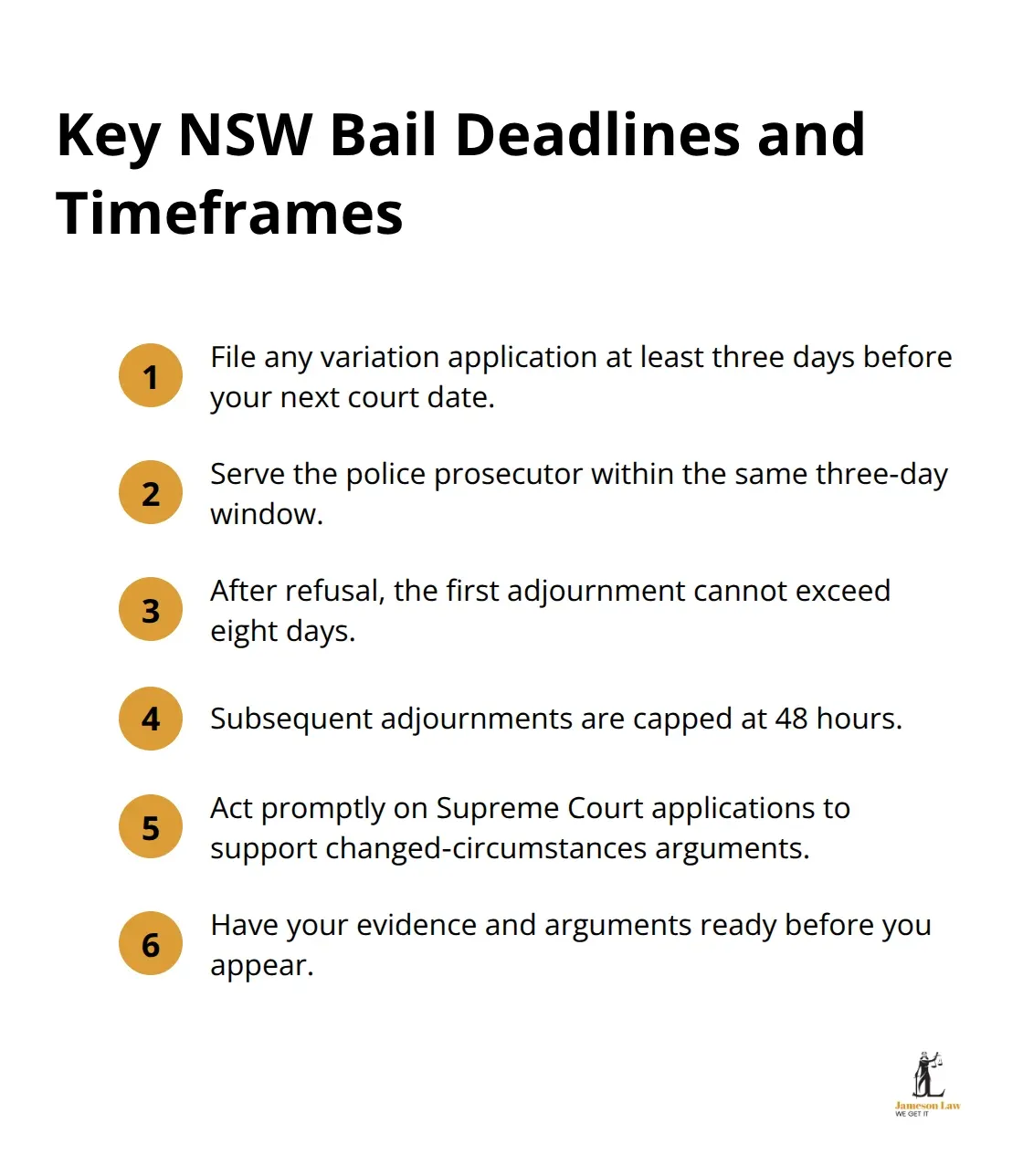
If circumstances change, you can apply to vary your conditions at the Local Court. You must file the application at least three days before your next court date and serve notice on the police prosecutor.
What Happens When Bail Is Refused
A refusal is not always final. If the Local Court Bail Division refuses release, you can apply to the Supreme Court if you present new information or if you were previously unrepresented.
The Bail Application Process in NSW
At your first appearance, the magistrate will hear from both the police prosecutor and your expert criminal defence lawyer. Presenting concrete evidence—such as employment letters, stable housing, and support from an acceptable person (surety)—substantially improves your outcomes.
Critical Deadlines
The timeline moves quickly. The Bail Act limits adjournments when bail is refused; the first cannot exceed eight days, and subsequent ones are capped at 48 hours. Preparation is vital.
Final Thoughts
Understanding bail information NSW empowers you to protect your rights. Legal representation makes a measurable difference; if bail was refused while you lacked a lawyer, securing highly experienced counsel gives you genuine grounds for a fresh application.
At Jameson Law, our expert team helps NSW residents navigate complex bail applications and variations. If you face a bail decision or need to challenge unworkable conditions, contact us immediately to protect your stability while your case progresses.