Facing criminal charges in NSW can feel overwhelming, especially when you don’t understand how the court system works. The NSW criminal court processes involve multiple stages, from your first appearance through to trial and sentencing.
At Jameson Law, we have guided countless clients through these stages in 2026. This guide breaks down exactly what happens at each step so you know what to expect.
Three Courts Handle NSW Criminal Cases
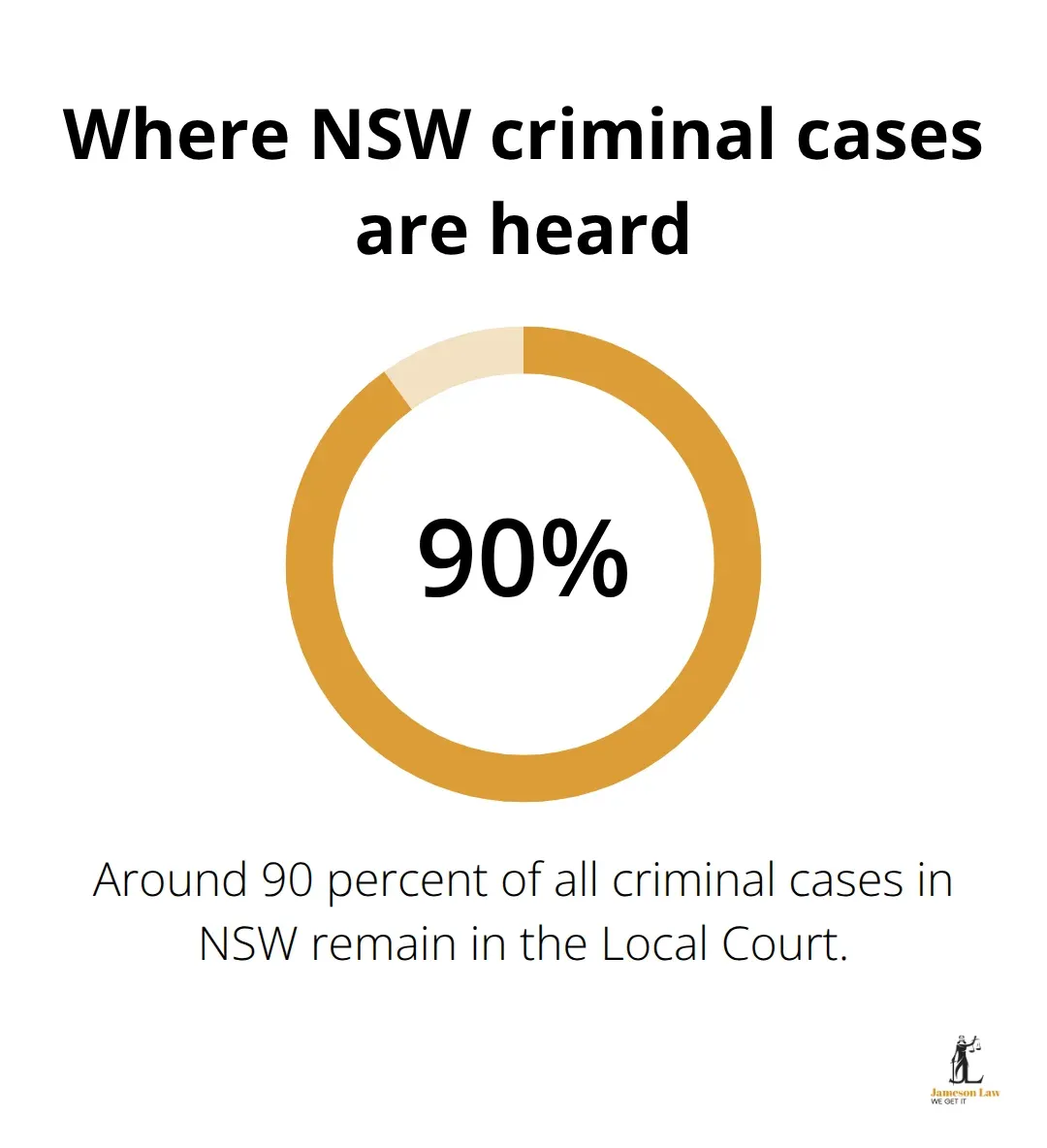
NSW has three main criminal courts, and where your case goes depends on how serious the charges are. The Local Court handles the vast majority of criminal matters—around 90 percent of all criminal cases in NSW never leave this level.
This court deals with summary offences like minor assault, shoplifting, and traffic-related crimes. The District Court takes over for mid-range serious offences such as sexual assault and armed robbery. The Supreme Court handles the most serious crimes including murder and large-scale drug operations.
Jury vs. Magistrate Decisions
The Local Court operates without a jury; a magistrate hears the evidence. However, when a matter moves to the District or Supreme Court, you receive a trial before a judge and a jury of twelve people. In these higher courts, the jury decides guilt, while the judge determines the sentence.
From Arrest to Your First Court Appearance
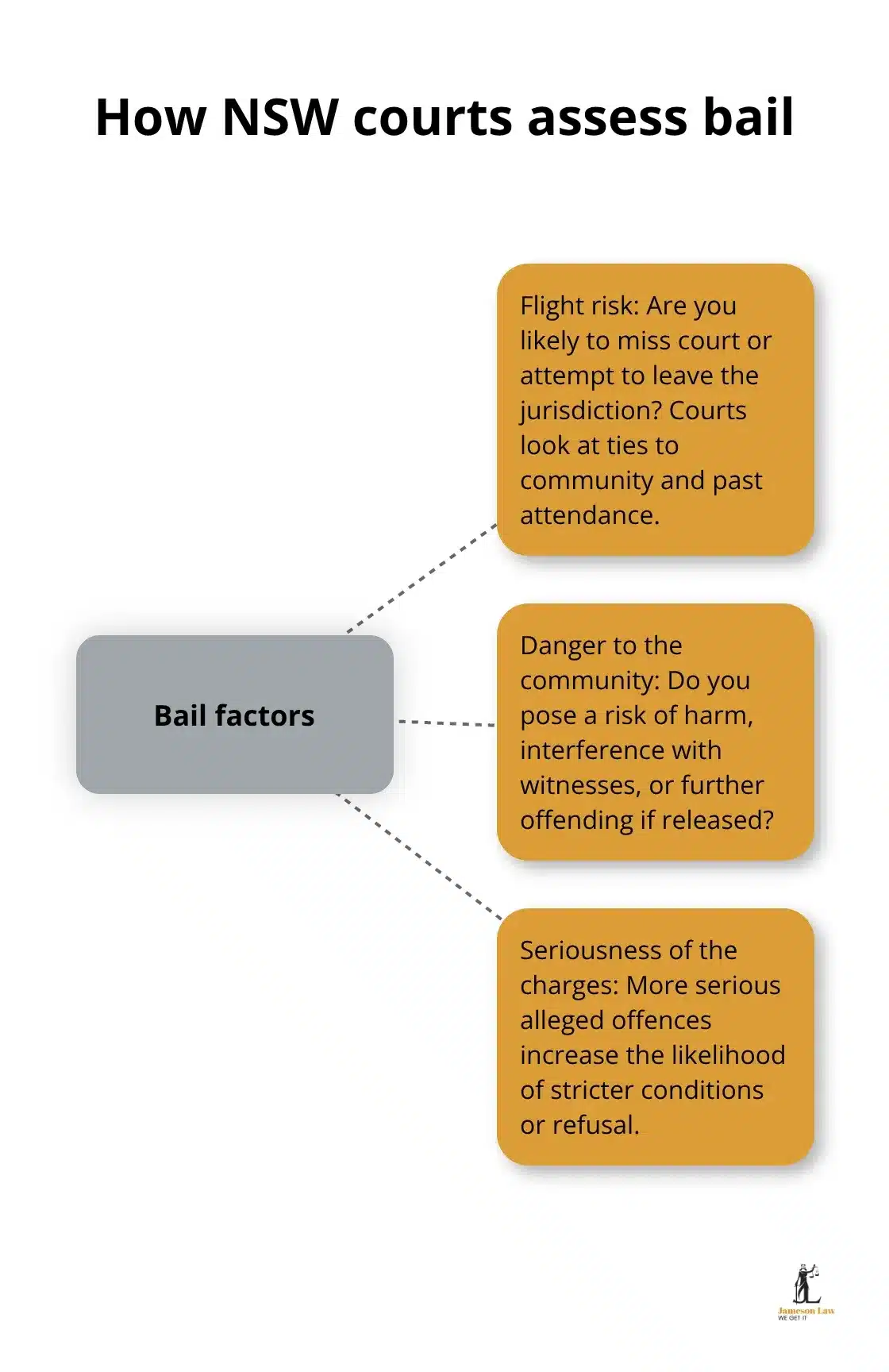
Your first appearance happens quickly, typically within 24 to 72 hours of arrest. At this stage, the court addresses bail. Bail is not automatic—under the Bail Act 2013 (NSW), the magistrate weighs risk factors to decide if you can remain in the community pending trial.
The Committal Stage
If you face indictable offences, your case enters the committal stage. Here, the Local Court reviews if sufficient evidence exists to justify a trial in a higher court. Many defendants choose to utilize the Early Appropriate Guilty Plea reforms, which can provide significant sentencing discounts for pleas entered before or during committal.
Inside the Courtroom: The Trial Process
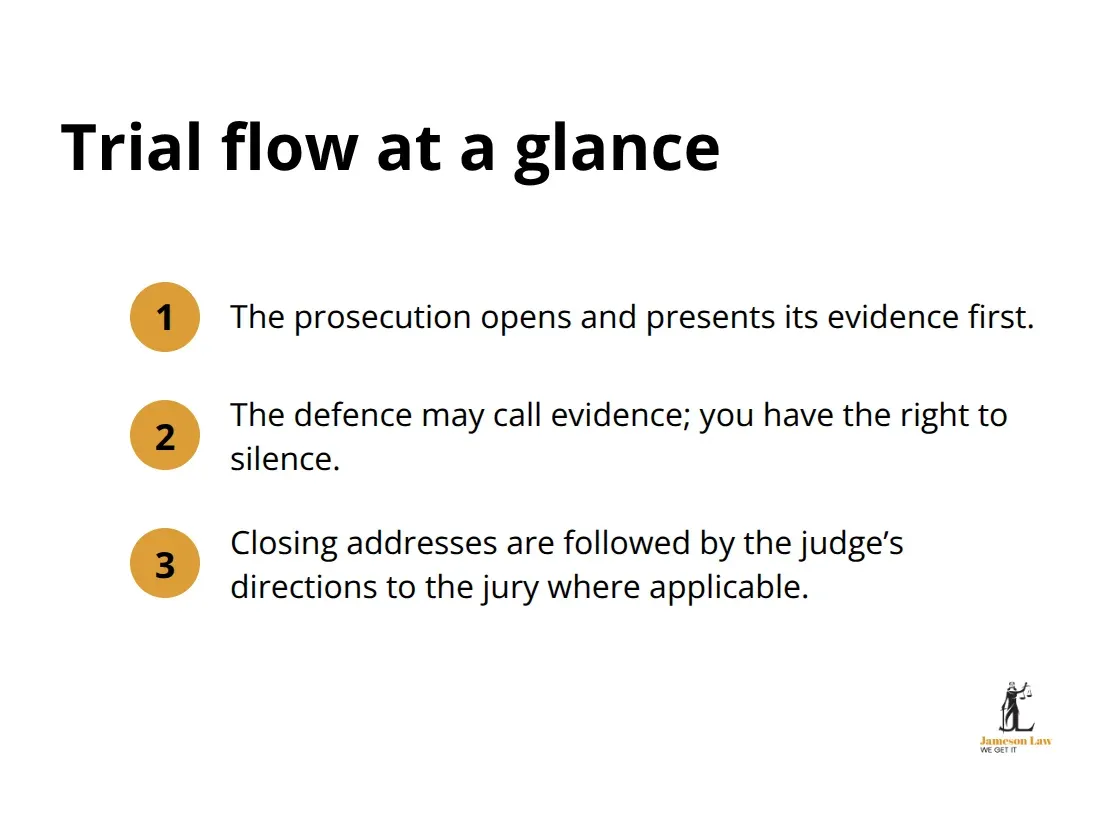
Whether in the Local or Supreme Court, the prosecution must prove guilt beyond reasonable doubt. This is a high threshold that requires the Crown to present all evidence during their case-in-chief.
Defence Strategy and Verdict
As a defendant, you have the absolute right to silence under the Evidence Act 1995. Your highly experienced criminal lawyer will cross-examine prosecution witnesses to expose inconsistencies and build a narrative that supports your case. Following closing arguments, a verdict is returned. If convicted, sentencing may follow immediately or be adjourned for a Pre-Sentence Report.
Final Thoughts
The NSW criminal court processes demand careful navigation. From the first mention to the final verdict, every decision you make—especially regarding early pleas and bail—will impact your future. Legal representation from a highly experienced criminal lawyer in Sydney is not just recommended; it is essential to ensure your rights are protected throughout the journey.
If you or a loved one are facing criminal charges, do not wait. Contact Jameson Law today to discuss your matter and let our expert team guide you through the complexities of the NSW justice system.