A criminal charge in NSW can turn your life upside down in minutes. The decisions you make in those first hours matter more than you might realise, and having an experienced NSW criminal defence lawyer by your side changes everything.
At Jameson Law, we have seen how early legal intervention stops cases from spiralling. This guide walks you through what you need to know about criminal defence representation and how to protect yourself when it counts most.
Why a Criminal Defence Lawyer Changes Everything
Bail Decisions Happen Fast
A criminal charge in NSW sets the system in motion immediately. Your first court appearance typically happens within days, and decisions made in those early hours determine whether you walk free on bail or spend months in custody waiting for trial. The NSW Bail Act 2013 gives courts significant power to detain accused people, and without proper legal argument, many people lose their freedom before they mount a defence.
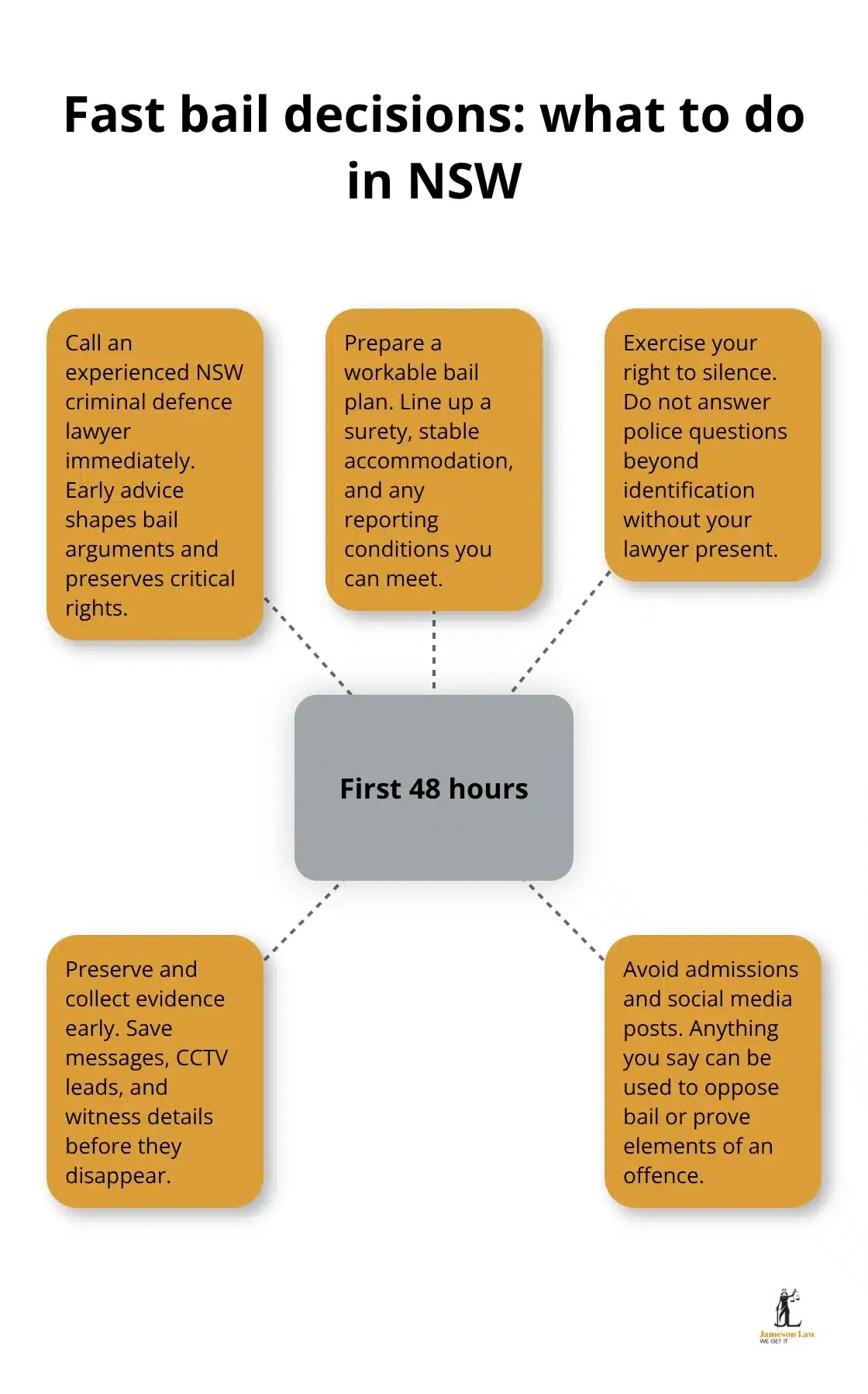
A criminal defence lawyer reviews your case immediately and identifies bail risks. We have seen bail applications succeed in cases where the prosecution appeared to hold a strong hand because obtaining the brief of evidence revealed the prosecution’s case wasn’t as solid as it seemed. The difference between bail and remand often comes down to who presents the better legal argument.
Understanding the NSW Criminal Process
The NSW criminal process spans arrest, first court appearance, and progression through the Local, District, or Supreme Court depending on your charges.
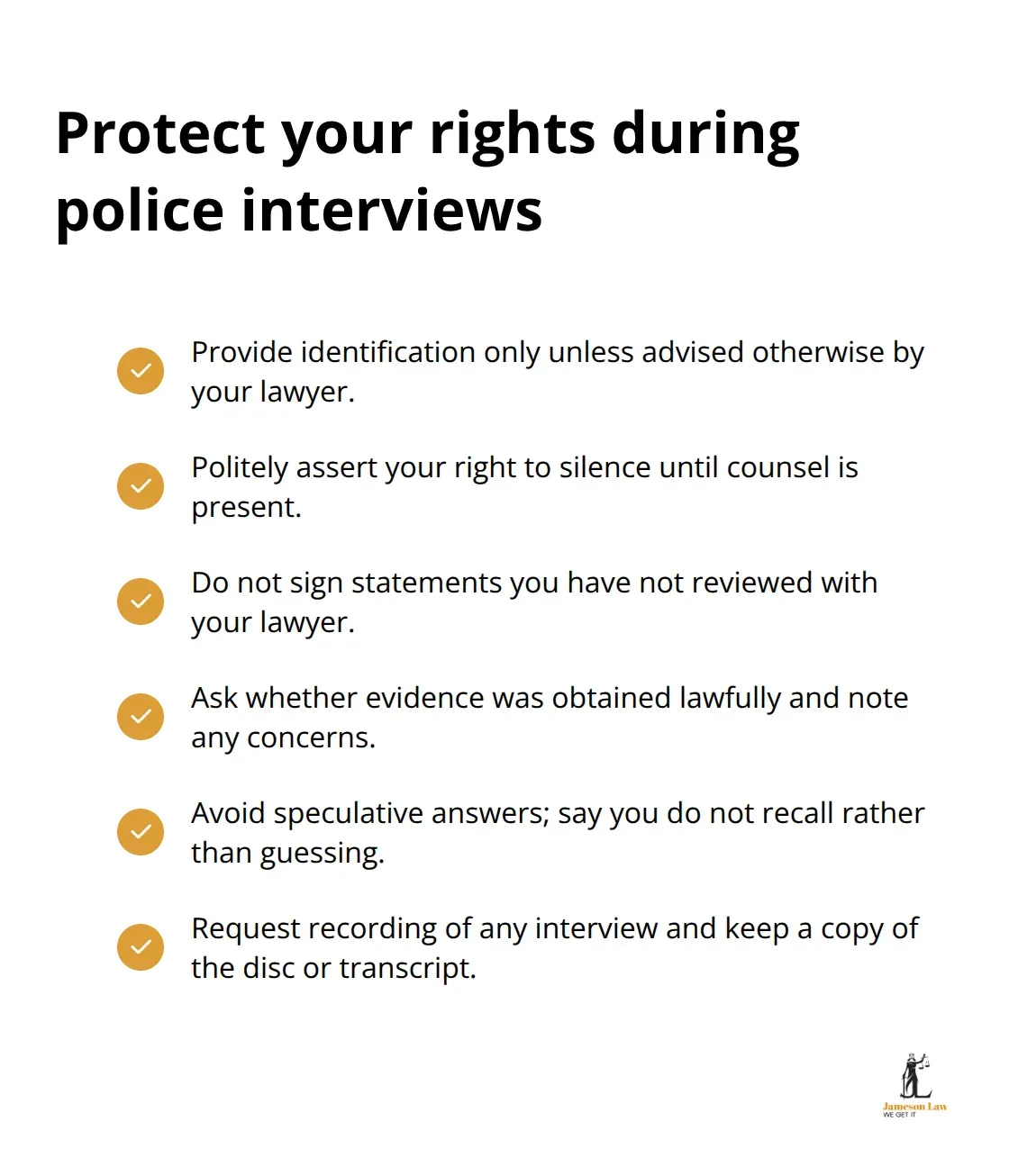
Many people make the mistake of speaking to police without legal advice, thinking cooperation helps them. It doesn’t. Anything you say becomes evidence, and prosecutors use your own words against you.
A defence lawyer manages police interviews and protects your right to silence. Your lawyer also ensures unlawfully obtained evidence gets challenged under the Evidence Act 1995 (NSW) section 138. This matters because weak evidence gets excluded, charges get withdrawn, and cases collapse.
Building Your Defence From Day One
Your lawyer analyses the police brief thoroughly and identifies weaknesses in witness statements. They plan how to challenge prosecution evidence at court, whether through negotiation with prosecutors or trial preparation.
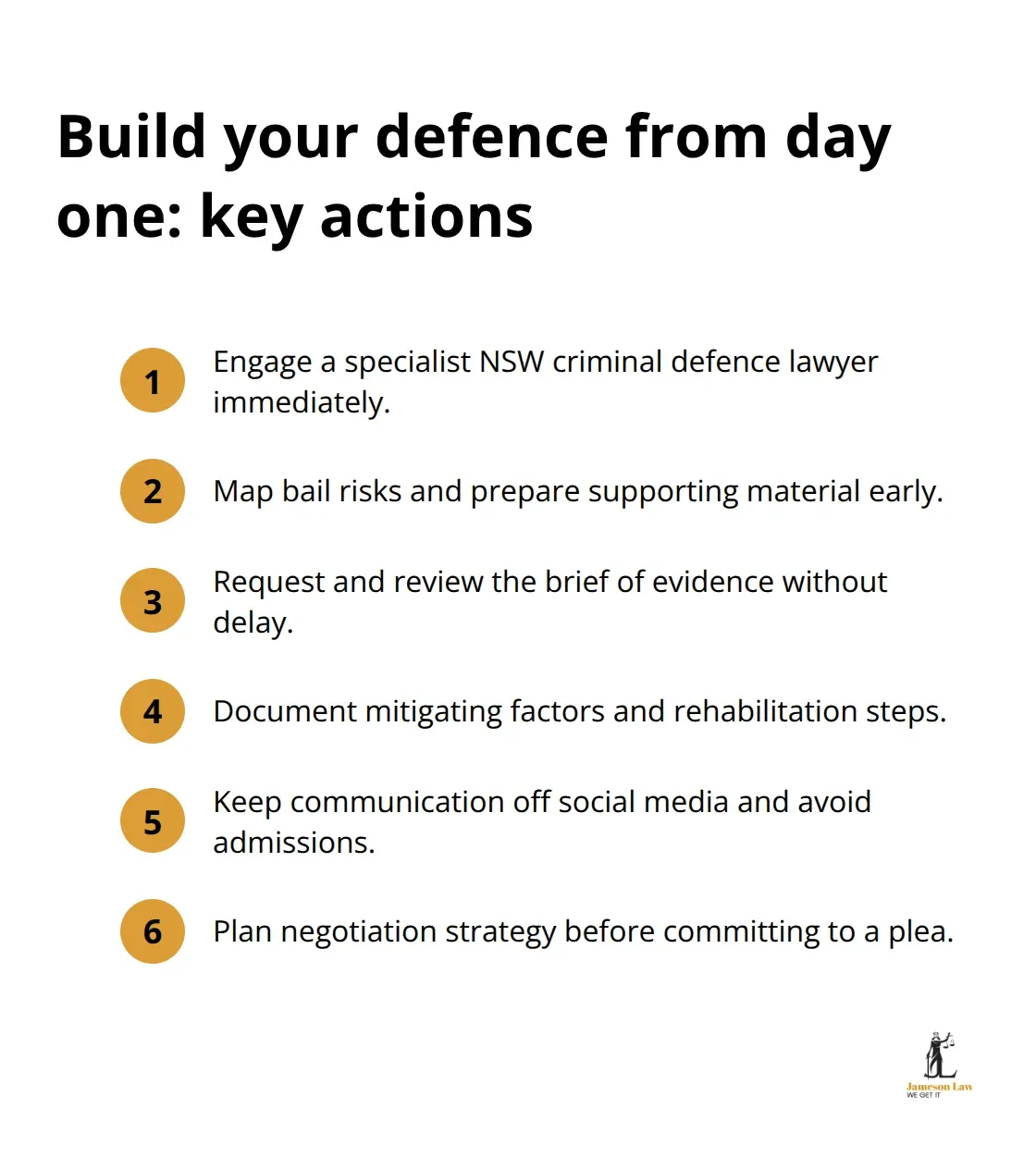
Building Your Defence Strategy
Evidence Analysis: The Foundation of Strong Defence
A criminal defence lawyer obtains the full brief of evidence immediately and examines police facts sheets, witness statements, and exhibits for weaknesses. Your lawyer reviews statements for contradictions, checks whether witnesses have credibility issues, and identifies gaps in the timeline.
Negotiating From a Position of Strength
Negotiation with prosecutors happens throughout your case, not just at the final moment. Early engagement with the Crown often reveals they have doubts about their own evidence. Skilled advocacy can reduce charges from supply to possession, or from aggravated assault to common assault, fundamentally changing your sentencing prospects and criminal record implications. Experienced defence lawyers know how to negotiate from a position of strength.
Preparing Evidence That Supports Non-Conviction Outcomes
Court preparation requires gathering character references, rehabilitation evidence, and psychological or mental health assessments that support non-conviction outcomes like Conditional Release Orders or Section 10 dismissals. Defence lawyers have secured non-conviction results in serious matters because the preparation work demonstrated genuine rehabilitation prospects to the court.
Local Court Experience Matters
Data from the NSW Bureau of Crime Statistics and Research (BOCSAR) shows high volumes of Local Court matters each year, which means magistrates develop patterns in how they assess cases. A lawyer who appears regularly in your Local Court understands the specific magistrate’s approach to sentencing, bail applications, and evidence assessment.
How NSW Courts Handle Assault, Drug, and Theft Charges
Assault and Violence-Related Charges
Assault and violence-related charges dominate NSW Local Courts. Common assault carries maximum penalties of two years imprisonment, while assault occasioning actual bodily harm reaches five years. The critical difference lies in evidence. A defence lawyer challenges prosecution witnesses about intoxication, self-defence claims, or whether the accused actually caused the injury.
Apprehended Domestic Violence Orders (ADVOs) complicate these cases because breaching an ADVO becomes a separate offence. Strategic defence can result in both the original charge and the order being dismissed.
Drug Offences: From Possession to Supply
Drug offences range from possession to supply, with penalties determined by drug type and quantity. Possession of small amounts of cannabis may qualify for the Cannabis Cautioning Scheme if you are a first-time eligible offender, but this option disappears once you speak to police without legal advice. Non-conviction results for drug possession have been secured when rehabilitation prospects and circumstances support Section 10 dismissals.
Theft and Fraud Matters
Fraud and theft charges depend entirely on value and circumstances. Shoplifting matters can result in dismissals without conviction when pre-sentencing reports and rehabilitation evidence demonstrate genuine change. The prosecution must prove dishonest intention, and this element frequently collapses under cross-examination when circumstances suggest a mistake or misunderstanding.
Final Thoughts
A criminal charge in NSW demands immediate action. The decisions you make in those first hours determine whether you secure bail, protect your rights during police interviews, or lose opportunities that never return. An experienced NSW criminal defence lawyer identifies weaknesses in the prosecution case, negotiates from strength, and builds a defence strategy tailored to your specific circumstances.
Time determines what options remain available to you. Speaking to police without legal advice locks in admissions that undermine your defence. Waiting to engage a lawyer means losing the chance to negotiate with prosecutors effectively.
Contact Jameson Law today for a free initial consultation to review your case, protect your rights, and outline your best path forward.