The Family Law Amendment Act 2025 brings significant changes to Australian family law that will affect thousands of families across the country. These reforms reshape how courts handle custody disputes, property settlements, and family violence cases.
We at Jameson Law have analysed the new legislation to help you understand what these changes mean for your family’s future. The amendments take effect in stages throughout 2025, with some provisions already in force.
What Changes Affect Your Parenting Rights?
The Family Law Amendment Act 2025 transforms how Australian courts approach parenting decisions, with new procedures that place child safety above traditional shared care arrangements. Courts must now reject Part VII parenting applications that lack proper documentation from accredited Family Dispute Resolution (FDR) practitioners. This procedural change means parents cannot bypass alternative dispute resolution.
Mandatory Mediation Requirements Block Court Access
Parents who file for parenting orders after June 10, 2025, face stricter documentation requirements. The court gains discretionary power to reject applications without Section 60I certificates, which makes mediation compulsory rather than optional. This shift impacts families seeking court intervention, forcing most into structured negotiations first.

Secure mediation certificates early to avoid procedural delays. If you are unsure about your exemptions, consult our child custody lawyers immediately.
Enhanced Safety Protocols Transform Court Proceedings
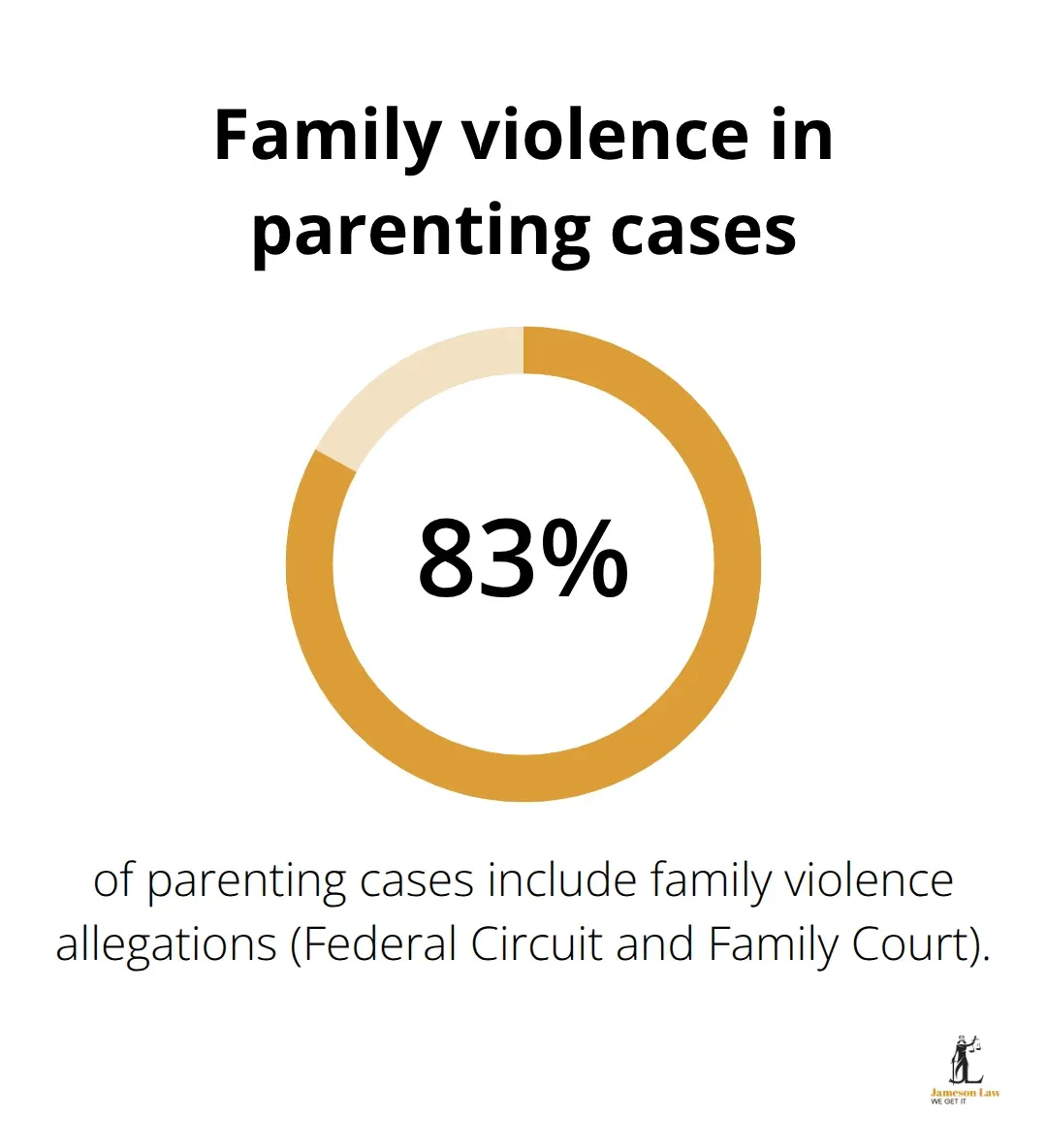
Family violence allegations appear in many parenting cases. Courts now possess expanded powers to protect sensitive information, particularly health service records. These procedural changes mean judges can actively manage cases to minimise conflict and protect vulnerable parties.
New Voucher System Restricts Contact Service Options
Children’s contact services now operate under stricter accreditation rules. Courts only refer families to approved providers through a standardised voucher system. This improves service quality and safety standards for supervised visitation arrangements.
How Do New Property Rules Change Your Settlement?
The Family Law Amendment Act 2025 fundamentally alters property settlement calculations by mandating courts consider family violence effects when they divide assets. Courts must now assess how economic abuse impacted each party’s financial contributions.
Family Violence Now Determines Property Division
Economic or financial abuse qualifies as family violence under the Family Law Act. Courts examine how one partner’s control over finances reduced the other party’s ability to build wealth. Survivors of financial control may receive larger property shares than traditional splits. Housing needs for children under 18 receive explicit consideration, prioritising stable accommodation for primary carers.
Mandatory Financial Disclosure Creates Legal Penalties
The duty of disclosure moves from court rules into the Family Law Act itself. Hiding assets or income is now a serious legal offence carrying contempt of court penalties. Both parties must provide complete financial information, including bank statements and superannuation details, throughout settlement negotiations.
Spousal Maintenance Calculations Include Violence Impact
Spousal maintenance assessments now factor in how family violence affected earning capacity. Courts consider whether abuse prevented one party from working or studying. The economic effects of family violence can extend maintenance periods beyond traditional timeframes.
How Do New Violence Protections Change Court Safety?
The Act expands family violence definitions to include economic and financial control. Economic abuse covers prevention of access to bank accounts and control of employment decisions. Dowry abuse also receives specific recognition as family violence.
Courts Gain Power to Shield Sensitive Information
Family law courts now possess discretionary authority to protect sensitive communications from health services and violence support agencies. Judges actively manage evidence disclosure to prevent re-traumatisation. This allows courts to access critical safety data from government agencies without endangering children.
Less Adversarial Procedures Reduce Courtroom Intimidation
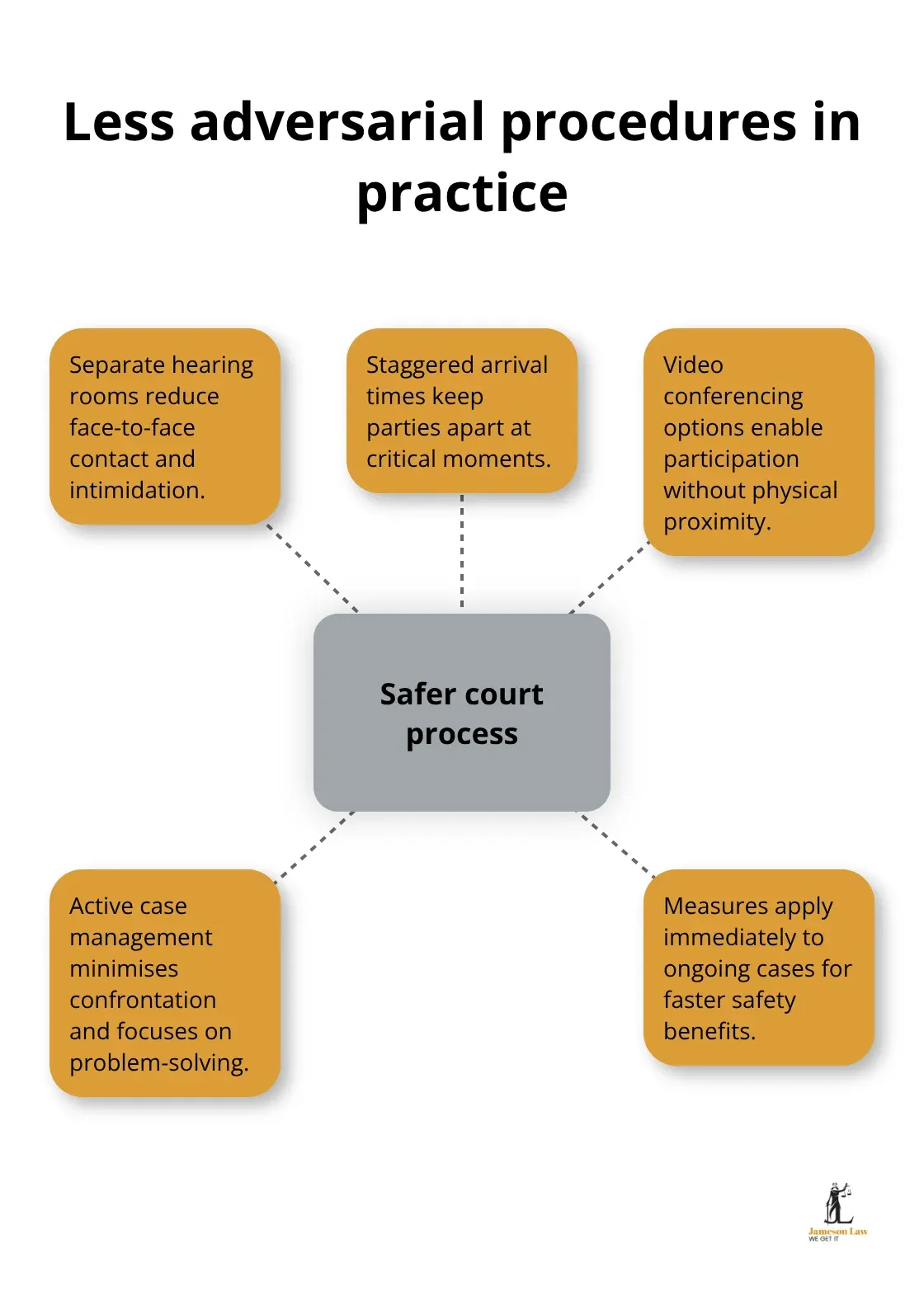
Courts must adopt less adversarial approaches in disputes involving family violence. This transforms traditional litigation into safer processes with separate hearing rooms and video conferencing options. These changes apply to ongoing cases that have not reached final hearings.
Final Thoughts
The Family Law Amendment Act 2025 represents a significant reform. Courts now handle parenting disputes and property settlements with enhanced safety protocols. The new legislation prioritises child safety through mandatory mediation and explicitly considers the economic impact of family violence.
These reforms affect all separating couples. The changes apply to ongoing cases, offering immediate benefits for families currently in the system. We at Jameson Law help clients navigate these new requirements while protecting their rights. Contact Jameson Law today to discuss how these changes affect your matter.