Being named as an executor is a significant responsibility. You’ll need to manage assets, settle debts, and distribute the estate according to the will-all while navigating complex legal requirements.
Executor duties in Australia come with strict obligations set by state law. At Jameson Law, we’ve helped countless executors understand their responsibilities and avoid costly mistakes.
This guide walks you through each step of the process, from securing assets to distributing funds to beneficiaries.
What an Executor Actually Does
An executor’s job breaks down into three core legal responsibilities under Australian law. You must locate and secure all assets the deceased owned, from bank accounts to real estate. You pay all debts, taxes and administration costs from the estate before anyone receives money. You then distribute what remains to the beneficiaries named in the will. The NSW Supreme Court enforces these duties strictly, and failure to follow them can make you personally liable for losses. Your role is fiduciary duty, meaning you must act in the best interests of the estate and beneficiaries, not yourself.
When You’re an Executor Versus an Administrator
If the deceased left a valid will, that document appoints you as executor. If there’s no will, the NSW Supreme Court appoints someone called an administrator to manage the estate according to intestacy rules. The practical difference matters: an executor holds authority already granted by the will, while an administrator must apply to the court for letters of administration. Both roles carry identical legal responsibilities and personal liability. You cannot choose to be called one or the other based on preference. The distinction simply reflects whether a will exists and named you specifically.
How Long You Have to Complete Everything
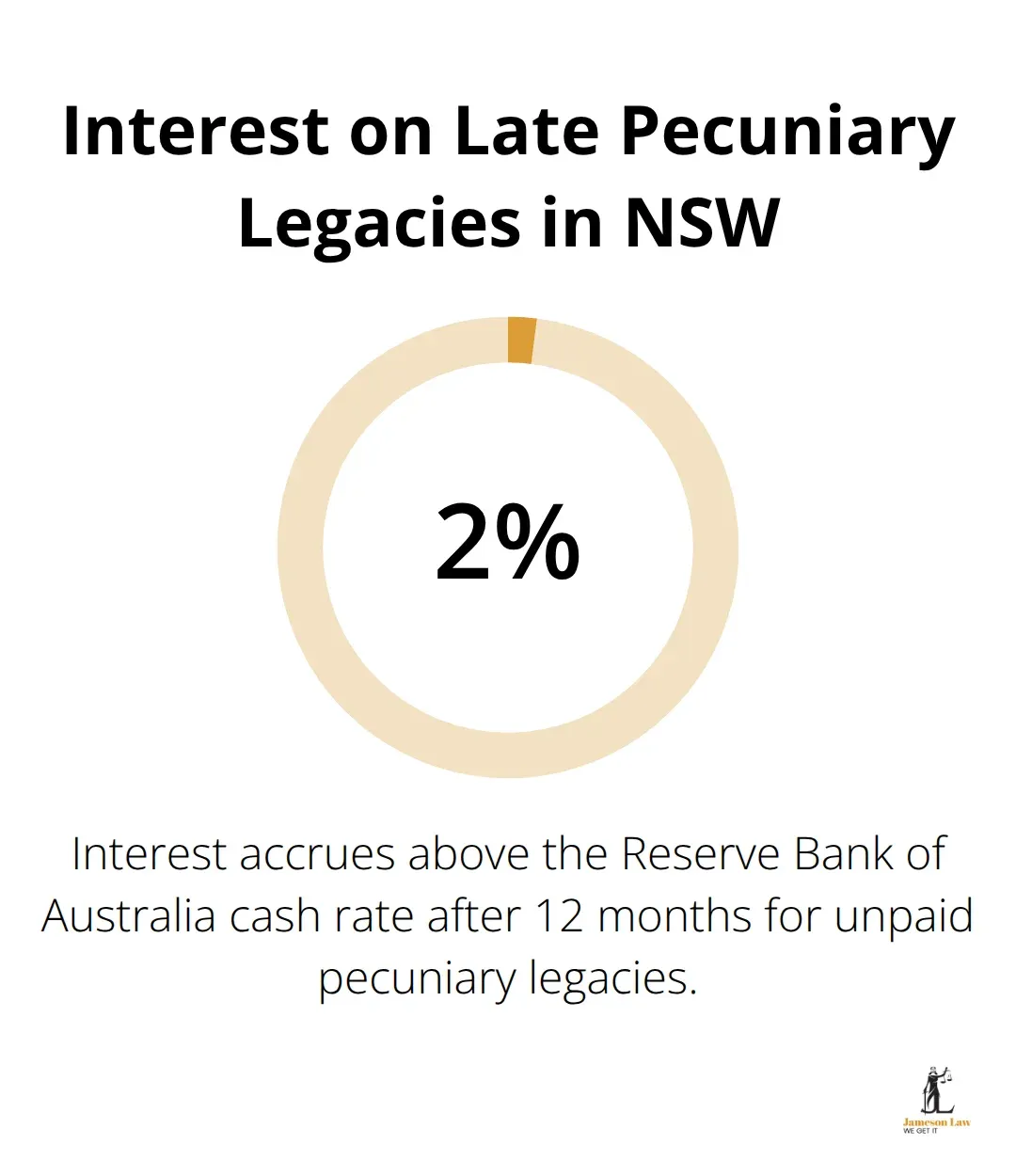
The executor’s year gives you 12 months from the date of death before distributions must typically begin, but this is not a hard deadline for finishing administration. NSW law allows you to take longer if the estate is complex or disputed. However, you must act promptly throughout the process-the court expects executor duties to move forward without unnecessary delays. If you don’t apply for probate within about six months of death, creditors and beneficiaries start asking questions. For pecuniary legacies (money gifts), interest accrues 2% above Reserve Bank of Australia cash rate if unpaid after 12 months, which costs the estate real money. Most estates administered professionally take between 9 to 12 months to finalise, though contested wills or complex asset structures can extend this significantly. The key is starting immediately after death rather than waiting, since early action prevents most delays.
Your Fiduciary Duty Explained
As executor, you owe a fiduciary duty to the estate and its beneficiaries. This means you must prioritise their interests above your own at every decision point. You cannot sell estate assets below market value to benefit yourself, nor can you mix estate funds with your personal bank account. You must keep detailed records of every transaction, every expense, and every asset valuation. The court can hold you personally liable if you breach this duty, even if you acted with good intentions. This fiduciary obligation is why many executors choose to work with solicitors-the professional guidance protects both the estate and the executor from costly mistakes.
What Happens Next in Your Role
Your immediate tasks after death involve locating the original will, arranging the funeral if needed, and identifying all assets and debts. You’ll need to secure property, notify banks and service providers, and obtain the death certificate. These early steps set the foundation for everything that follows, from applying for probate through to final distribution.
What Executors Actually Need to Do First
Your first action as executor is to locate the original will and secure it immediately. Contact the deceased’s solicitor, bank, or safe deposit box holder-many institutions hold wills for safekeeping. Once you have the will, obtain multiple certified copies of the death certificate from the Registry of Births, Deaths and Marriages, as banks and government agencies typically require originals. Next, identify all assets by reviewing bank statements, tax returns, investment statements, property titles, and insurance documents. Contact the deceased’s employer, superannuation fund, and insurance providers to confirm death benefits and account balances. Many executors miss superannuation death benefits initially, which can represent substantial portions of the estate.
Notify Institutions and Secure Assets
Use the Australian Death Notification Service to notify multiple banks and service providers in a single online process rather than contacting each institution separately-this saves weeks of administrative work. Secure real estate by ensuring it remains insured, mortgages continue to be paid, and the property is protected from damage. If the deceased owned a business, take immediate steps to preserve its value and continuity. Open a separate bank account in the estate’s name to hold funds as they’re collected; never mix estate money with your personal finances, as this creates serious tax and liability problems. Document everything from day one: photograph assets, record valuations, keep receipts for every expense, and maintain a detailed asset inventory showing purchase dates and values.
Pay Debts in the Correct Order
Debts don’t all carry equal priority-Australian law enforces a strict ordering system that protects creditors and prevents the estate from facing additional liability. Funeral and testamentary expenses come first, followed by administration costs including legal fees and accounting fees. Then comes tax debt to the Australian Taxation Office, then other creditors like banks and service providers. Many executors make the costly mistake of distributing money to beneficiaries before confirming all debts are settled. If you distribute prematurely and a creditor later emerges, you become personally liable for the shortfall. Before distributing anything, publish a notice inviting creditors to lodge claims and wait the required period-typically 30 days after the grant of probate is issued. Contact the ATO to confirm whether the deceased owed any income tax or capital gains tax. If the estate earns income during administration-from rental property, interest, or dividends-lodge a trust tax return with the ATO to avoid penalties. Document every payment with receipts and maintain a clear record of the priority order followed.
Collect Assets From Financial Institutions
Collecting assets requires persistence because institutions move slowly and often request multiple forms of identification. Banks typically release funds only after seeing a grant of probate or letters of administration, though small estates under $100,000 may access funds earlier through simplified procedures. Contact each financial institution individually and ask specifically what documentation they require-don’t assume all banks have identical processes. For real estate, the transfer process differs depending on whether the property was owned solely by the deceased or held jointly with another person. Jointly held property typically passes outside the estate and transfers directly to the surviving owner without probate. Solely owned property requires probate before transfer. Selling assets should occur at market value; never accept below-market offers as this breaches your fiduciary duty and exposes you to personal liability. Obtain professional valuations for property, shares, or valuable items, particularly when multiple beneficiaries exist and fair distribution depends on accurate values. If the deceased owned a motor vehicle, contact Service NSW to transfer ownership into the estate’s name before selling. Collect life insurance proceeds by notifying the insurance company with a death certificate and claim form-these proceeds often pass outside the estate if they were payable directly to beneficiaries. Coordinate with superannuation trustees to process death benefits, as these funds have specific tax treatment and timing requirements. Throughout collection, maintain detailed records showing the date each asset was secured, its value on the date of death, and proceeds received from any sales. Once you have collected all assets and settled all debts, you move into the final phase of your role: distributing the estate to beneficiaries according to the will’s instructions.
Common Challenges Executors Face
Family disputes emerge in roughly 1 in 5 estates according to research from the Law Society of NSW, yet most executors receive no training on managing conflict before stepping into the role. Grief, financial stress, and decades of family tension converge the moment probate is granted. Beneficiaries who felt excluded from the will sometimes challenge it within 12 months of the grant, which forces you to pause distributions and defend the estate’s interests in court.
Managing Family Disputes and Disagreements
Family provision claims in NSW can be filed by spouses, children, and dependants who argue they weren’t adequately provided for under the will, and the court has broad power to alter distributions if it finds the claim valid. The practical problem you face is that you cannot distribute assets until the 12-month challenge period closes, meaning beneficiaries wait longer and resentment builds.
Communication matters here more than most executors realise. Provide beneficiaries with a detailed breakdown of assets, debts paid, and the timeline for distribution before disputes start. Many families become hostile simply because they lack transparency about where money went and why distribution takes so long.
Your fiduciary duty requires you to act in the estate’s interests, not to favour any particular beneficiary or family member, even if they’re pressuring you directly. This often means refusing unreasonable requests for early distribution or asset sales below market value, which feels uncomfortable but protects you from personal liability. When family disputes escalate beyond communication, professional legal advice becomes essential rather than optional.
Handling Contested Wills and Complex Estates
Complex estates with multiple properties, business interests, or international assets demand specialised handling that extends timelines significantly. If the deceased owned real estate in multiple states, you navigate different probate requirements in each jurisdiction, which can add 3 to 6 months to administration alone.
Business assets require valuation by professional appraisers, tax advice on whether the business should be sold or transferred, and sometimes negotiation with co-owners or creditors. Superannuation death benefits carry specific tax treatment that differs depending on the deceased’s age and whether beneficiaries were nominated, and incorrect handling can cost the estate tens of thousands in unnecessary tax.
If someone lodges a caveat claiming the will is invalid or a more recent will exists, the court pauses the probate process until the matter is resolved. This can take 12 months or longer if litigation proceeds, during which you cannot distribute assets and beneficiaries grow increasingly frustrated. Managing contested estates requires experienced legal representation, and attempting to navigate this alone typically results in costly mistakes that expose you to personal liability.
Understanding Tax Obligations and Reporting Requirements
The ATO requires a separate trust tax return if the estate earns income during administration, and failure to lodge this return within required timeframes triggers penalties. If you’re uncertain about tax obligations, contact the ATO directly or engage an accountant experienced in estate administration rather than guessing, because the financial cost of errors far exceeds professional fees.
Estate administration involves multiple tax considerations that most executors underestimate. You must lodge a final income tax return for the deceased if they earned above the tax-free threshold, and you need to understand capital gains tax implications when selling assets. Rental income, interest, and dividends earned during administration all require separate reporting on the trust tax return. Incorrect tax treatment can trigger ATO audits and substantial penalties that reduce funds available for beneficiary distributions.
Final Thoughts
Executor duties in Australia demand careful attention to legal obligations, timely action, and transparent communication with beneficiaries. Your core responsibilities remain consistent across all estates: you locate and secure assets, pay debts in the correct priority order, manage tax obligations, and distribute funds only after all liabilities are settled. The 12-month executor’s year provides a framework, but complexity, disputes, or contested wills can extend administration significantly, with most estates finalising within 9 to 12 months when handled professionally.
The financial stakes are real-interest accrues on unpaid pecuniary legacies at 2% above the Reserve Bank of Australia cash rate after 12 months, and premature distributions expose you to personal liability if creditors or family provision claims emerge later. Your fiduciary duty requires you to prioritise the estate’s interests above all else, which sometimes means making uncomfortable decisions that beneficiaries resist. Professional legal advice becomes essential rather than optional when family disputes arise, the will faces challenge, or the estate involves multiple properties, business interests, or complex asset structures.
If you face uncertainty about any aspect of executor duties in Australia, contact Jameson Law for tailored guidance specific to your circumstances. The cost of professional advice is minimal compared to the cost of mistakes that expose you to personal liability or delay distributions by months.