Australia attracts thousands of migrants each year seeking better employment prospects, improved living standards, and access to world-class healthcare and education. The decision to relocate is significant, and understanding the migration to Australia benefits helps you evaluate whether it aligns with your personal and professional goals.
At Jameson Law, we guide clients through the complexities of Australian migration pathways. This guide breaks down the economic realities, lifestyle advantages, and visa options you need to consider before making your move.
Economic Realities: What You’ll Actually Earn and Spend
Australia’s Salary Advantage for Skilled Workers
Australia’s economy ranks as the 12th largest globally and continues to expand, creating genuine demand for skilled workers across multiple sectors. Skilled migrants earn a median income of AU$79,442 annually according to the Australian Bureau of Statistics Migrant Settlement Outcomes report, substantially higher than family-sponsored migrants at AU$54,512. This income differential reflects Australia’s skill shortage across healthcare, engineering, trades, and technology roles. The salary premium you receive as a skilled migrant often exceeds what you would earn in comparable roles back home, particularly in fields where Australia faces persistent labour gaps.
Housing Costs: The Biggest Budget Item
Housing demands particular attention when you calculate your actual financial position. Sydney’s mortgage rates sit around 4.5%, lower than comparable UK rates at 5.5%, but property prices in inner-city areas push monthly payments toward 30% of household income for many migrants. Rental markets in major cities like Melbourne and Brisbane offer modest relief compared to Sydney, with outer suburbs providing meaningful savings if commute times suit your work situation. You should explore cost-of-living data for your target city and convert expenses to your home currency before you commit to a location decision. Exchange rate fluctuations and inflation will shift these numbers over time, so treat cost comparisons as a starting point rather than a fixed forecast.
Healthcare and Education: Hidden Financial Benefits
Healthcare costs present a different calculation than housing. Australia’s Medicare system covers most essential medical services at no point-of-service cost for permanent residents, eliminating the private insurance premiums many migrants faced in their home countries. Education expenses also shift favourably-public schooling receives government funding, and university fees for permanent residents cost substantially less than international student rates. These savings compound significantly for families with children, often offsetting higher housing costs that initially appear daunting.
Building Your Migration Budget
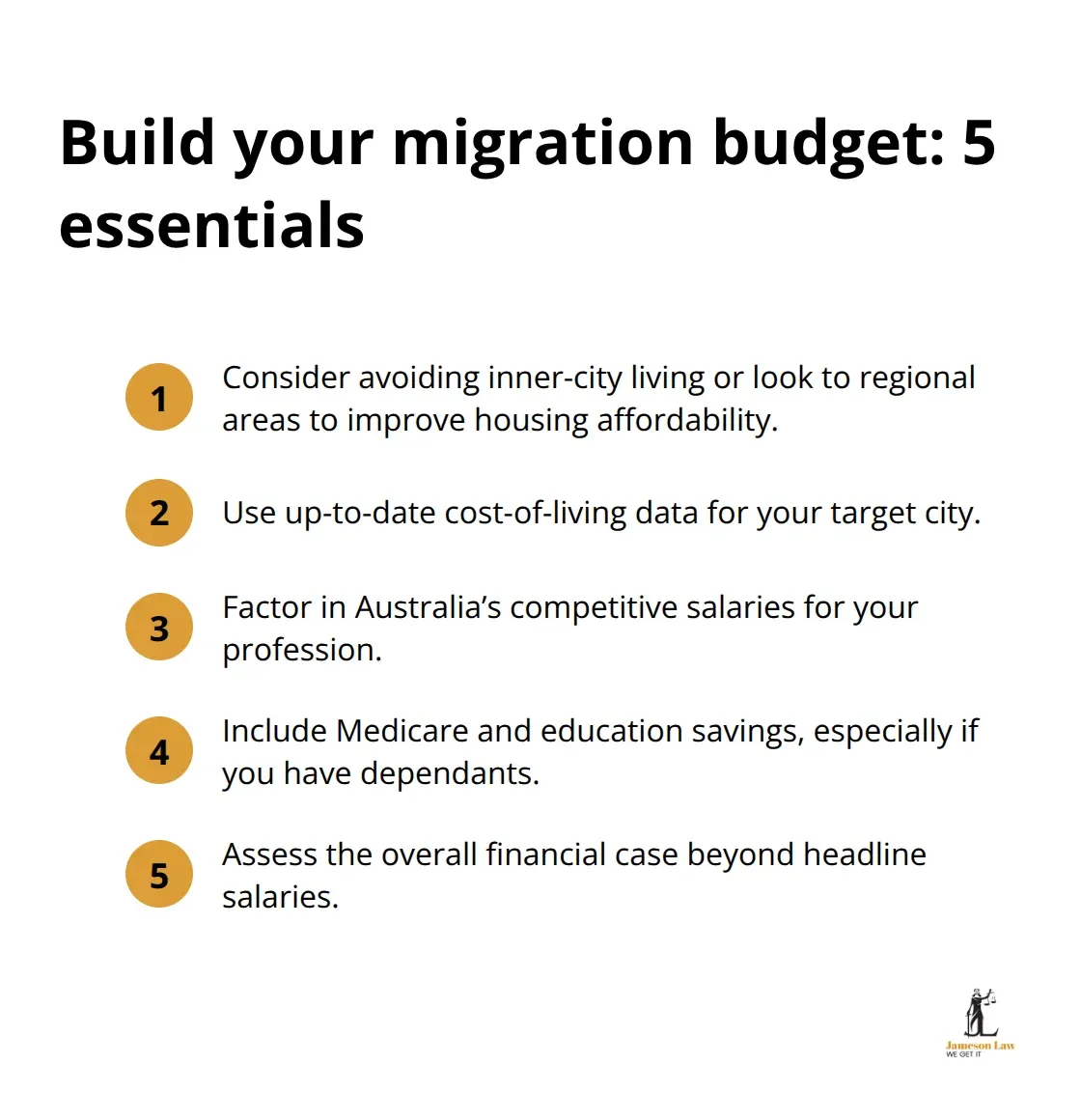
Skilled migrants typically see income gains that offset higher housing costs, particularly if you avoid inner-city living or prioritise regional opportunities where housing affordability improves dramatically. You should construct your budget using actual cost-of-living data for your target city, factor in Australia’s relatively competitive salaries for qualified professionals, and account for healthcare savings and education benefits if you have dependents. Many skilled migrants find that after accounting for these advantages, the financial case for migration strengthens considerably beyond initial salary comparisons alone.
The economic picture clarifies when you examine specific visa pathways and how different migration routes affect your earning potential and settlement costs. Understanding which visa option aligns with your circumstances determines not only your immediate financial position but also your long-term career trajectory in Australia.
Why Lifestyle Matters More Than You Think
Climate and Your Daily Wellbeing
Australia’s lifestyle advantages extend far beyond pleasant weather, though climate plays a genuine role in your daily wellbeing. Year-round sunshine across most regions measurably reduces vitamin D deficiency concerns and supports an outdoor-focused lifestyle that many migrants find liberating compared to their home countries. If you relocate from a temperate climate with lengthy winters, the shift to consistent daylight hours affects both your physical health and mental state. Different regions offer distinct climates: tropical Queensland provides warm weather year-round, temperate Tasmania delivers seasonal variety without extreme cold, and major urban centres like Sydney and Melbourne balance moderate temperatures with coastal access. This geographic diversity means you aren’t locked into a single climate experience-you can test different regions before committing to permanent settlement, and many skilled migrants use their first few years to explore which location genuinely suits their preferences rather than assuming they’ll remain in their initial entry city.
Work Culture and Time Off
Australian workplace culture emphasises reasonable working hours and genuine time off, with permanent residents accessing four weeks of annual leave plus public holidays-substantially more than US workers receive and comparable to European standards. The multicultural environment means you’ll encounter diverse communities rather than assimilating into a homogeneous culture, which reduces the psychological strain of displacement that many migrants experience. Employment practices differ markedly from many other developed nations, creating conditions where you actually use your leave rather than accumulating unused days.
Safety and Long-Term Stability
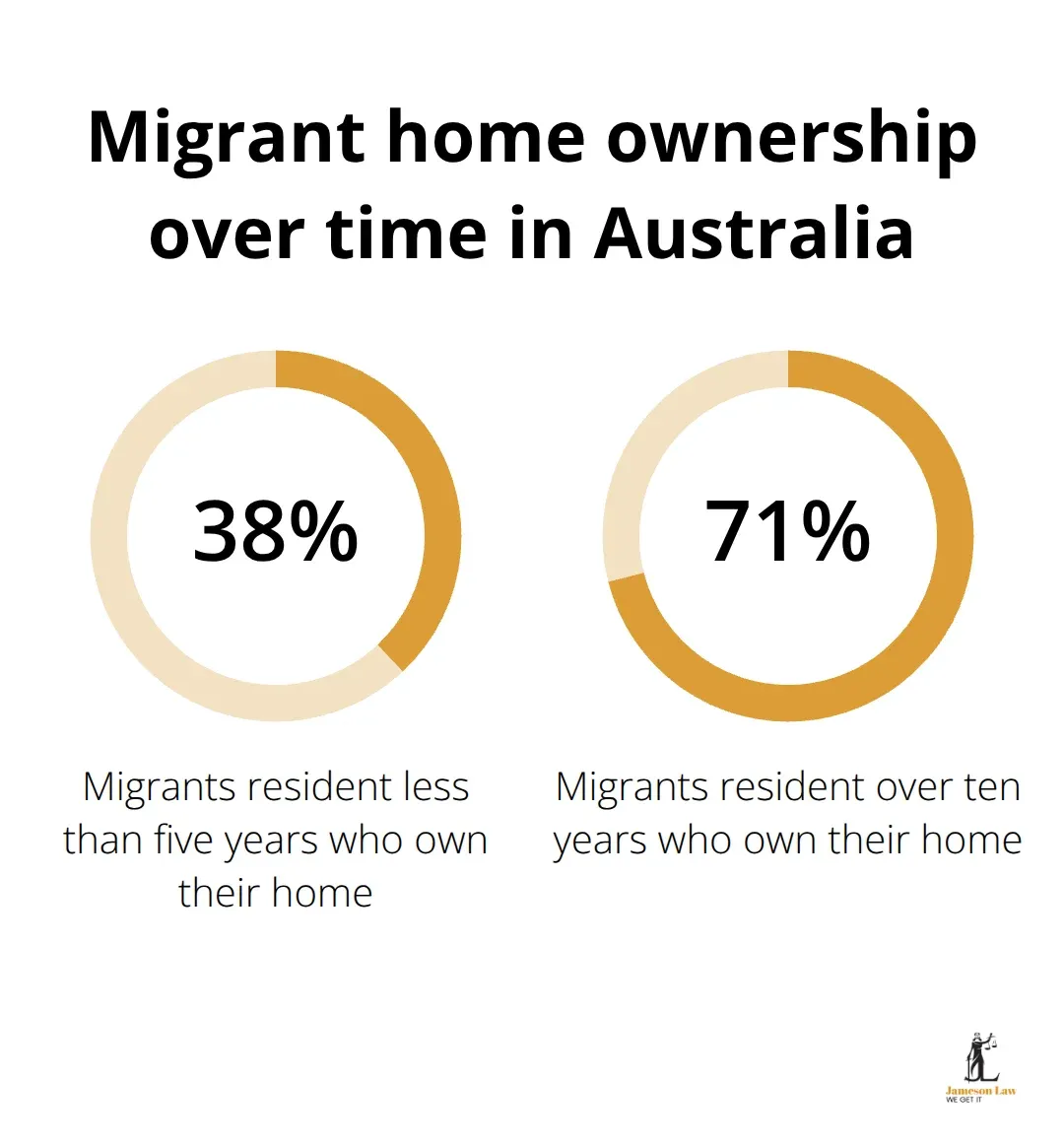
Safety statistics matter significantly when you evaluate your settlement prospects. Australia consistently ranks among the world’s safest countries with low violent crime rates, making daily life feel secure in ways that influence your long-term settlement satisfaction. Housing ownership increases with time in Australia, rising from 38% for migrants resident less than five years to 71% for those resident over ten years, suggesting that the lifestyle foundation you build during early settlement translates into genuine long-term stability and asset accumulation.
Recreation and Community Integration
The combination of outdoor recreational opportunities, stable employment practices, cultural diversity, and genuine personal safety creates conditions where skilled migrants report higher life satisfaction than they anticipated when planning their move. You’ll find that Australia’s approach to leisure time-whether through beach culture, hiking, or community sports-integrates naturally into your weekly routine rather than remaining a weekend luxury. These lifestyle factors directly influence your ability to build social connections and establish roots in your new community, which ultimately determines whether your migration succeeds beyond the initial financial calculations.
Understanding how lifestyle factors shape your settlement experience prepares you to evaluate which migration pathway actually fits your circumstances. The visa option you select determines not only your immediate legal status but also your access to employment, housing, and community participation that underpin these lifestyle benefits.
Finding Your Visa Pathway
Australia’s migration system operates through distinct visa streams, each designed for different circumstances and timelines. Skilled migration dominates Australia’s intake because the economy faces genuine labour shortages across healthcare, engineering, trades, and technology. The Department of Home Affairs administers the skilled migration program through a points-based system where your occupation, qualifications, work experience, and English proficiency determine your eligibility.
Skilled migrants earned a median income of AU$79,442 according to the Australian Bureau of Statistics, which reflects the premium Australia places on workers who fill genuine employment gaps. The skilled occupation list defines which jobs qualify for migration, and you must verify your occupation appears on this list before investing time in an application.
Temporary and Permanent Skilled Visas
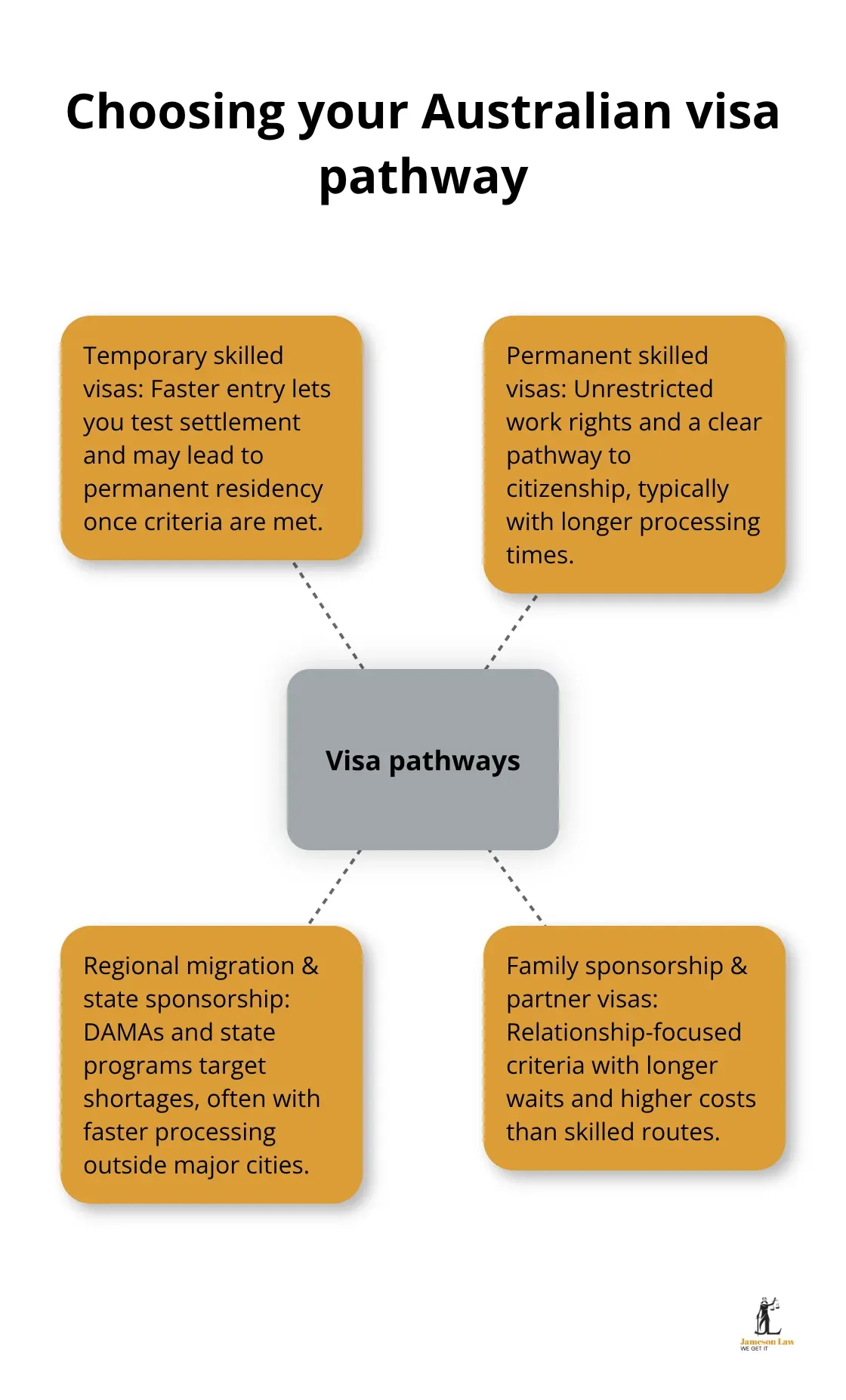
Temporary skilled visas offer faster entry than permanent pathways if your employer sponsors you or if you qualify under labour agreement schemes. These visas allow you to work in Australia for a fixed term, test whether long-term settlement suits your circumstances, and potentially transition to permanent residency once you meet additional criteria. Permanent skilled visas provide unrestricted work rights and a clear pathway toward citizenship, though processing times typically exceed temporary options. The choice between temporary and permanent visas depends on your timeline, financial capacity, and confidence in committing to long-term Australian settlement.
Regional Migration and State Sponsorship
State sponsorship programs actively recruit skilled workers to regional areas through Designated Area Migration Agreements, which broaden access for overseas workers in designated regions and often provide faster processing than competing for limited places in major cities. Regional migration pathways genuinely offer better prospects than competing for thousands of applicants for general skilled migration places, particularly in healthcare where rural shortages are acute. These programs align with Australia’s regional development goals and create genuine opportunities for skilled workers willing to settle outside Sydney and Melbourne.
Family Sponsorship and Partner Visas
Family sponsorship and partner visas follow entirely different criteria because they prioritise relationship status rather than employment demand. Partner visas require proof of a genuine, ongoing relationship and financial capacity to support your spouse or de facto partner without relying on government assistance. Family sponsorship for parents, siblings, or adult children involves substantial waiting periods and higher visa costs, making this pathway slower and more expensive than skilled migration. The practical reality is that skilled migration offers faster processing, lower costs, and clearer pathways than family-based options, which means if you have both skilled and family sponsorship options available, skilled migration typically delivers faster settlement.
Selecting the Right Pathway for Your Circumstances
The visa you select shapes your immediate legal status, your ability to work across different employers, and your pathway toward permanent residency and citizenship. Choosing the right visa option determines not only your timeline but also your access to employment, housing, and the lifestyle benefits that make your migration succeed. Understanding which stream genuinely fits your circumstances prevents wasted applications and positions you for faster settlement in Australia.
Final Thoughts
Migration to Australia represents a significant decision that extends far beyond financial calculations. The migration to Australia benefits we’ve outlined-competitive salaries, affordable healthcare, genuine work-life balance, and long-term stability-combine to create conditions where skilled workers build genuinely satisfying lives. However, these advantages only materialise when you select the right visa pathway and approach your move with realistic expectations about timelines, costs, and settlement challenges.
Before you commit to migration, evaluate three critical factors honestly: confirm your occupation appears on the skilled occupation list and that your qualifications meet Australian standards (particularly if you work in regulated professions like healthcare or engineering), construct a detailed budget using actual cost-of-living data for your target city, and assess whether your personal circumstances align better with skilled migration, regional pathways, or family sponsorship options. Each stream offers different timelines and processing costs, so understanding which option fits your situation prevents wasted applications and positions you for faster settlement.
The migration process benefits from patience, careful planning, and professional guidance rather than relying on informal advice or unqualified sources. Contact Jameson Law to discuss your migration plans with experienced immigration lawyers who understand both the legal requirements and the practical realities of Australian settlement.