Hiring a Sydney personal injury lawyer is one of the most important decisions you’ll make after an accident or injury. The right lawyer can mean the difference between getting fair compensation and walking away empty-handed.
At Jameson Law, we’ve seen too many people make costly mistakes when choosing legal representation. This guide walks you through what to look for, what to avoid, and how to find a lawyer who actually fights for your interests.
What Your Personal Injury Lawyer Actually Does
A personal injury lawyer’s job extends far beyond offering sympathy and legal advice. Your lawyer focuses on three core responsibilities that directly impact your compensation outcome.
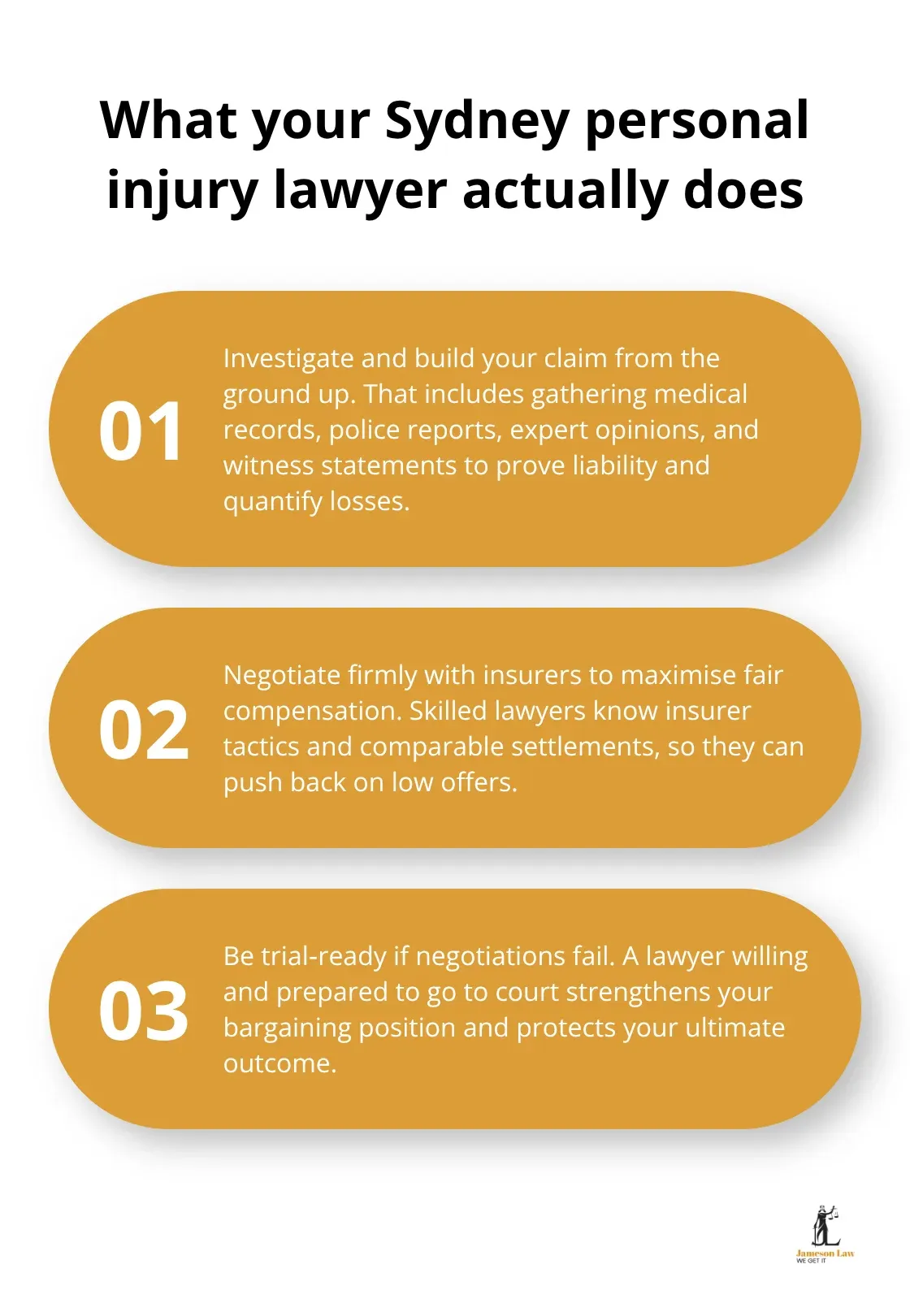
First, your lawyer investigates and builds your claim from the ground up-your legal team gathers medical records, police reports, expert opinions, and witness statements to establish liability and quantify your losses. This isn’t passive work; it requires actively pursuing evidence, identifying negligent parties, and understanding the specific injury type you’ve experienced, whether that’s a motor vehicle accident, workplace injury, or medical negligence claim.
How Lawyers Negotiate with Insurers
Second, your lawyer negotiates with insurance companies to maximise your compensation. Insurance companies know most injured people lack legal representation and will lowball offers accordingly. A skilled personal injury lawyer understands insurer tactics and knows what similar cases have settled for, allowing your legal team to push back on inadequate offers and secure substantially higher compensation. Research shows that people with legal representation recover significantly more than those attempting claims alone.
When Your Case Goes to Trial
Third, your lawyer stands ready to take your case to trial if settlement negotiations fail. Too many lawyers accept first offers because they lack trial experience or confidence. The right lawyer believes your case should go to court if the insurer refuses fair compensation, not because trials are preferable, but because that’s sometimes the only way to maximise your outcome.
Why Your Claim Type Demands Specialisation
Different injury claims require different expertise and strategies. Workers’ compensation claims operate under specific NSW legislation with strict timelines and procedural requirements that differ from motor vehicle accident claims. Medical negligence cases demand expert medical testimony and knowledge of professional standards. Public liability claims in shopping centres, restaurants, or gyms require understanding premises liability law. This alignment matters because your lawyer’s success depends entirely on your recovery. Specialisation in specific injury claim types ensures your lawyer has the expertise needed for your case. Your lawyer must specialise in your specific injury category, not offer generic personal injury services across all claim types.
Finding a Lawyer Who Represents Injured People
Your lawyer should represent injured people, not insurers or employers. This distinction shapes everything about how your case proceeds and what strategies your legal team pursues. When you choose a lawyer who focuses on plaintiff personal injury work, you know their interests align with yours from day one.
Choosing the Right Lawyer for Your Specific Injury Type
Specialisation matters more than reputation alone when selecting a personal injury lawyer in Sydney. A lawyer with twenty years of experience handling workers’ compensation claims won’t necessarily excel at medical negligence cases, and a motor vehicle accident specialist may lack the expertise required for construction site injuries. When you meet potential lawyers, ask specifically about their caseload in your injury category over the past two years. If they handle five different practice areas equally, they’re not specialising. The Australian legal market shows strong demand for personal injury specialists, particularly at senior levels, which means quality lawyers in this field are actively sought after and rarely available. This creates urgency in your hiring process-when you find a lawyer who genuinely specialises in your claim type and has availability, move forward rather than continuing to shop around.
Track Record and Compensation Ranges
Track record matters significantly here. Ask directly: how many cases similar to yours have they settled, and what were the typical compensation ranges? A lawyer handling workplace injuries should cite specific examples with dollar figures rather than vague statements about their experience. Request written information about their success rates in cases matching your circumstances. This data tells you whether the lawyer actually wins cases in your injury category or simply talks about experience without results to back it up.
Understanding Fee Structures and Disbursements
Fee structures determine what you actually pay when your case concludes, so clarity here prevents nasty surprises later. Most Sydney personal injury lawyers operate on a no win, no fee basis for plaintiff claims, meaning you pay nothing if your case fails. However, no win, no fee doesn’t mean cost-free. You’ll typically cover disbursements-filing fees, medical report costs, expert witness fees, and court expenses-regardless of outcome. Ask your lawyer upfront what percentage they take from your settlement if you win. Standard rates range from 20% to 33%, but this varies between firms and case complexity.
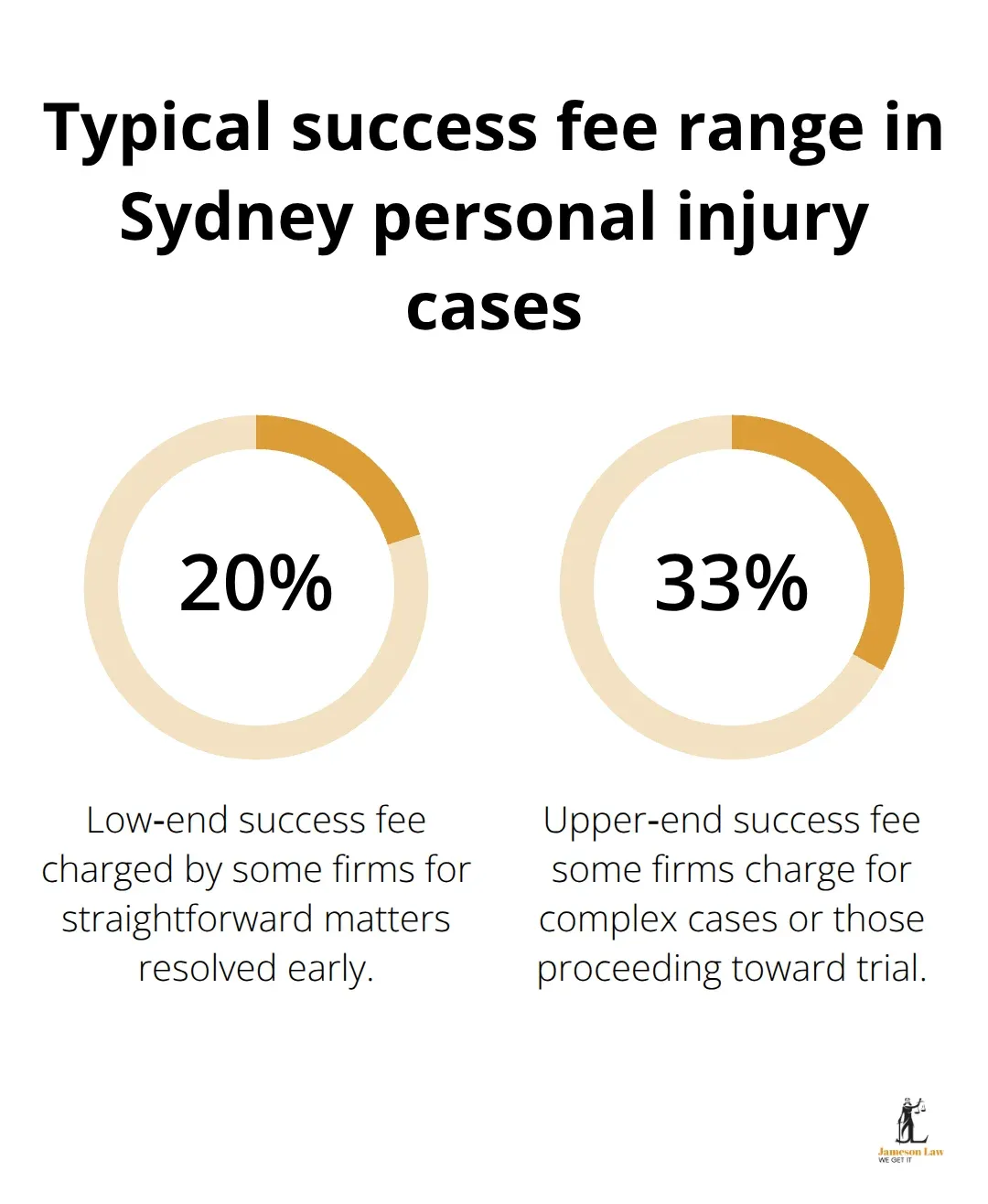
Some firms charge higher percentages for cases going to trial versus settlement. Request this breakdown explicitly before engaging. Ask also whether disbursements get deducted before or after the lawyer’s percentage is calculated, as this significantly impacts your final payment.
What Client Reviews Actually Reveal
Client reviews and testimonials reveal how lawyers actually treat injured people once you’ve hired them. Read reviews on independent platforms rather than relying solely on testimonials on the law firm’s website. Look for patterns in feedback-do clients mention clear communication, regular updates, and realistic expectations? Do they describe feeling rushed or ignored? A single bad review means little, but consistent complaints about responsiveness or communication indicate a genuine problem. Pay attention to reviews mentioning fee transparency and whether the lawyer delivered on promised compensation ranges. The best indicator of future service is how past clients felt treated throughout their claim process.
Moving Forward with Your Selection
Once you’ve assessed specialisation, track record, fees, and client feedback, you’ll have a clearer picture of which lawyer aligns with your needs. The next step involves understanding what happens after you hire your lawyer and how the claims process actually unfolds from initial consultation through to settlement or trial.
Common Mistakes That Cost You Money When Hiring a Personal Injury Lawyer
Accepting Vague Claims About Experience
The biggest mistake injured people make is failing to ask their potential lawyer one specific question: how many cases exactly like yours have they won in the past two years, and what were the settlement or judgement figures? Vague answers like “I’ve handled hundreds of cases” reveal nothing about actual success in your injury category. You need concrete numbers.
If a lawyer tells you they’ve settled 12 workplace injury claims averaging $185,000 over the past 24 months, that’s meaningful data. If they deflect or offer generalised statements about experience, move to the next candidate. Many Sydney personal injury lawyers won’t provide this information because their track record doesn’t support their reputation, and injured people accept this evasion far too easily. Demand specificity before signing any agreement.
Testing Communication Before You Hire
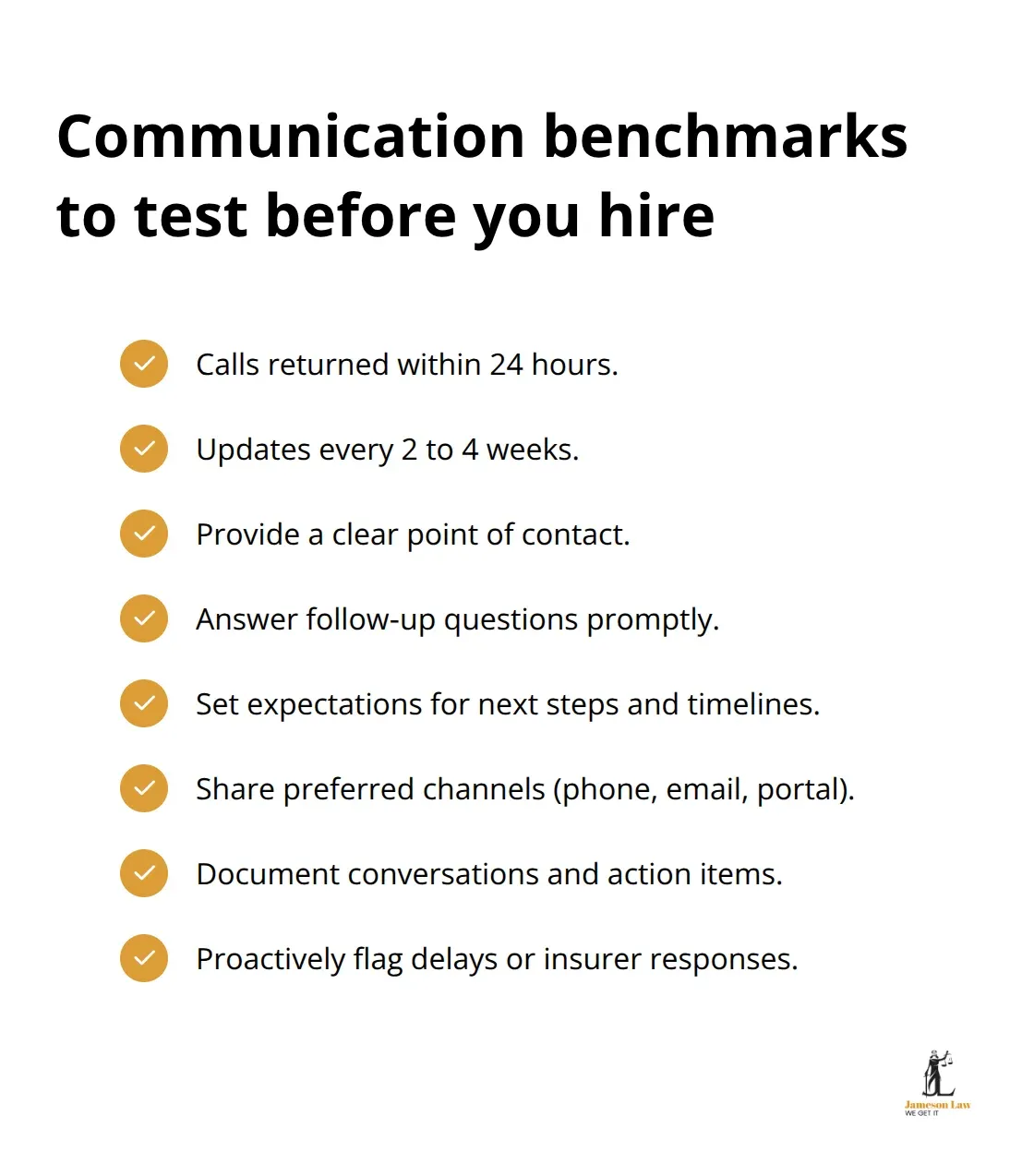
Another critical mistake involves treating communication as secondary to reputation or size. A lawyer with an impressive website and media mentions means nothing if they ignore your calls for three weeks or fail to update you on settlement negotiations. Communication patterns established during your initial consultation typically continue throughout your entire claim.
If the lawyer’s office takes two days to return your call before you’ve hired them, expect worse after you’ve signed. Test responsiveness by calling with a follow-up question after your first meeting and noting how quickly they respond. The best lawyers maintain regular contact schedules, sending updates every two to four weeks and answering client questions within 24 hours. This isn’t about friendliness; it’s about ensuring you understand what’s happening with your case and that your lawyer actually prioritises your matter.
Understanding Your Compensation Entitlements
The third costly mistake involves failing to understand what compensation you’re legally entitled to claim before meeting with a lawyer. Many injured people accept whatever a lawyer suggests without knowing whether they’re claiming only economic losses or also pursuing pain and suffering damages. NSW law permits compensation for both economic losses (medical expenses, lost wages, rehabilitation costs) and non-economic losses (pain, suffering, loss of enjoyment of life).
A lawyer who focuses exclusively on economic damages without discussing your pain and suffering claim is leaving money on the table. Before hiring, research what similar cases in your injury category have recovered. If you suffered a workplace back injury requiring surgery and ongoing physiotherapy, search for comparable NSW workers compensation claim outcomes to understand realistic compensation ranges. This knowledge prevents you from accepting inadequate settlement offers that your lawyer presents as generous. Informed clients make better decisions about whether to accept settlements or proceed to trial because they understand what fair compensation actually looks like in their specific situation.
Confirming Trial Readiness and Capability
Many injured people hire lawyers without confirming they’ll actually take the case to trial if necessary. Some lawyers accept cases expecting quick settlements and panic when insurers refuse fair offers, pressuring clients to accept lower amounts rather than proceed to court. Ask directly whether your potential lawyer has trial experience in cases matching yours and whether they’re prepared to take your matter to trial if settlement negotiations fail.
A lawyer’s willingness to go to court often determines whether insurers take your claim seriously during negotiations. Insurers recognise which lawyers will fight in court and which ones will cave under pressure. When you select a lawyer who demonstrates genuine trial experience and confidence, you gain a significant negotiating advantage before your case even reaches the settlement table.
Final Thoughts
Selecting the right Sydney personal injury lawyer comes down to three non-negotiable factors: specialisation in your specific injury type, transparent communication about fees and outcomes, and genuine willingness to take your case to trial. Too many injured people prioritise law firm size or reputation over these fundamentals, then regret their choice when their lawyer fails to deliver adequate compensation or keeps them in the dark throughout the claims process. Specialisation matters because workers compensation claims operate differently from motor vehicle accidents, which differ again from medical negligence cases.
An experienced lawyer who won’t explain their fee structure, discuss disbursements clearly, or provide honest assessments of your compensation entitlements is hiding something. The best Sydney personal injury lawyers tell you upfront what you might recover based on similar cases, what percentage they’ll take from your settlement, and what costs you’ll cover regardless of outcome. They answer your questions within 24 hours and provide regular updates without you having to chase them down.
Contact two or three personal injury lawyers who specialise in your injury type and request free consultations to test their responsiveness and clarify all fees before committing. We at Jameson Law specialise in personal injury claims across NSW and Queensland with a proven track record, and we offer no win, no fee arrangements for plaintiff claims. Contact us for a free claim assessment if you’re ready to explore your options.