A visa refusal can feel like a dead end, but it’s not. At Jameson Law, we know that Australian visa refusal appeal rights give you real pathways to challenge a decision you believe is wrong.
This guide walks you through your options, from understanding why your application was refused to navigating the appeals process with confidence.
Why Your Visa Gets Refused?
Visa refusals happen for specific reasons. The Department of Home Affairs assesses every application against strict criteria. Your appeal strategy depends on understanding what triggered the refusal.
Identity and False Information Issues (PIC 4020)
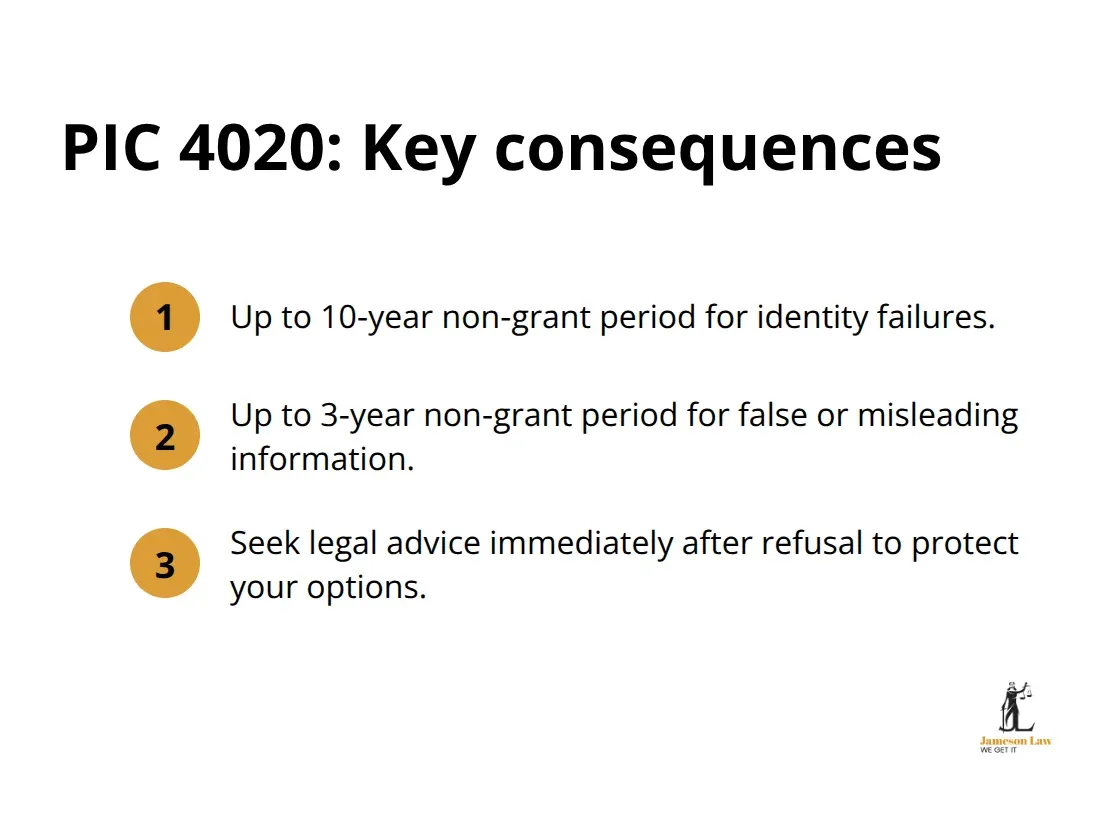
Identity issues are critical. Public Interest Criterion 4020 (PIC 4020) covers false or misleading information. A refusal here can lead to a 10-year ban for identity failures or a 3-year ban for false information.
Character-Based Refusals and Tight Deadlines
Refusals under Section 501 of the Migration Act carry strict deadlines. You have only nine days to lodge an appeal with the Administrative Review Tribunal (ART). This deadline cannot be extended.
Mandatory cancellations (e.g., for serious prison sentences) involve a two-step process: first, a request for revocation within 28 days, followed by a tribunal review if refused.
How the Administrative Review Tribunal (ART) Works
The ART replaced the AAT on 14 October 2024. It handles migration reviews, including partner visa and skilled visa refusals. The process is structured but lengthy.
Getting Your Appeal Lodged Correctly
You must lodge your appeal within the strict timeframes (usually 28 days for general refusals, 9 days for character). The application fee is approximately $3,580 for most migration decisions, though fee reductions exist for financial hardship.
Realistic Processing Timeframes
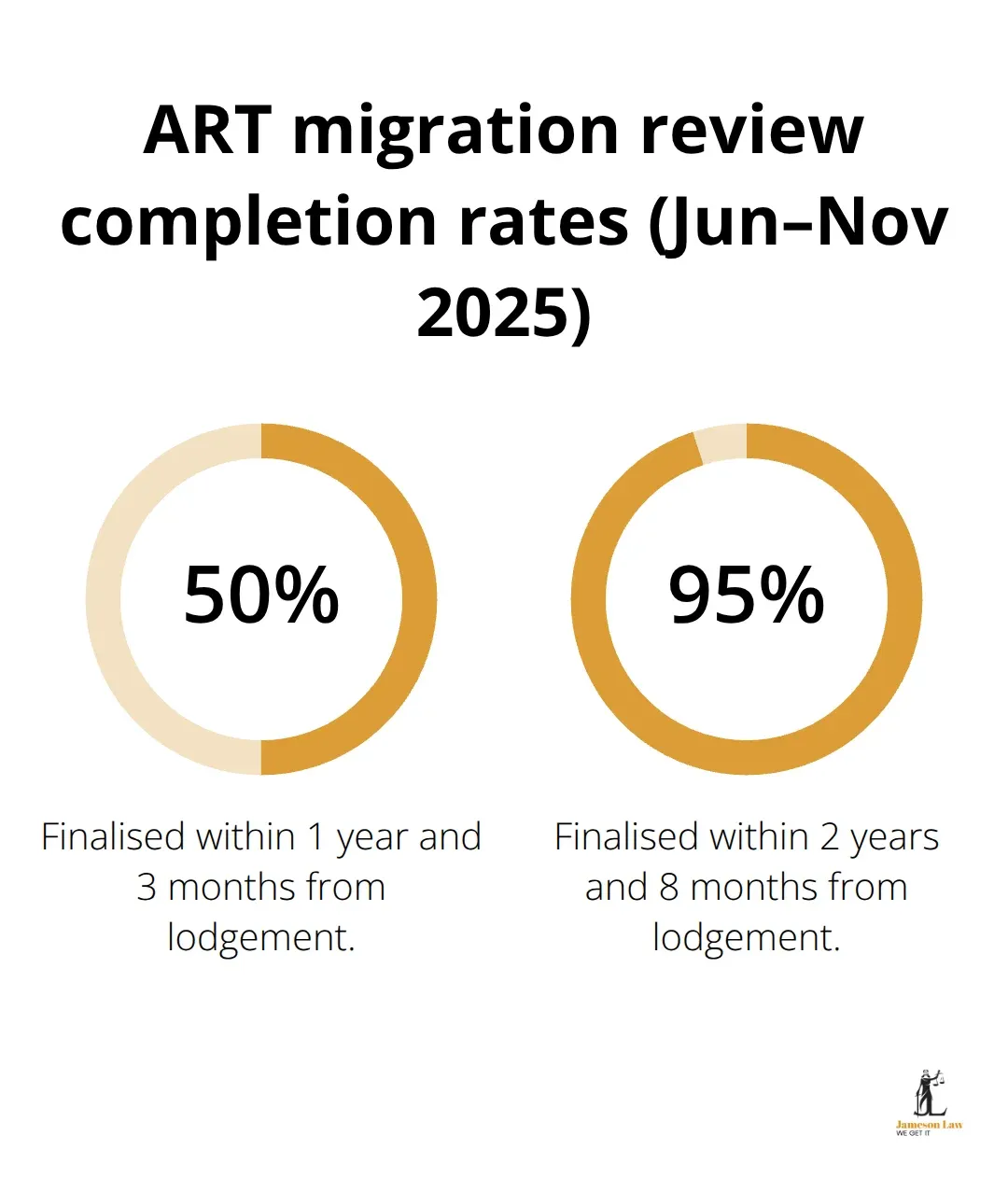
Processing times vary. Bridging visa reviews are fast, while partner visa reviews can take over two years. Check the current ART caseload statistics to manage your expectations. Use VEVO to monitor your bridging visa status.
What Happens If You Lose at the ART?
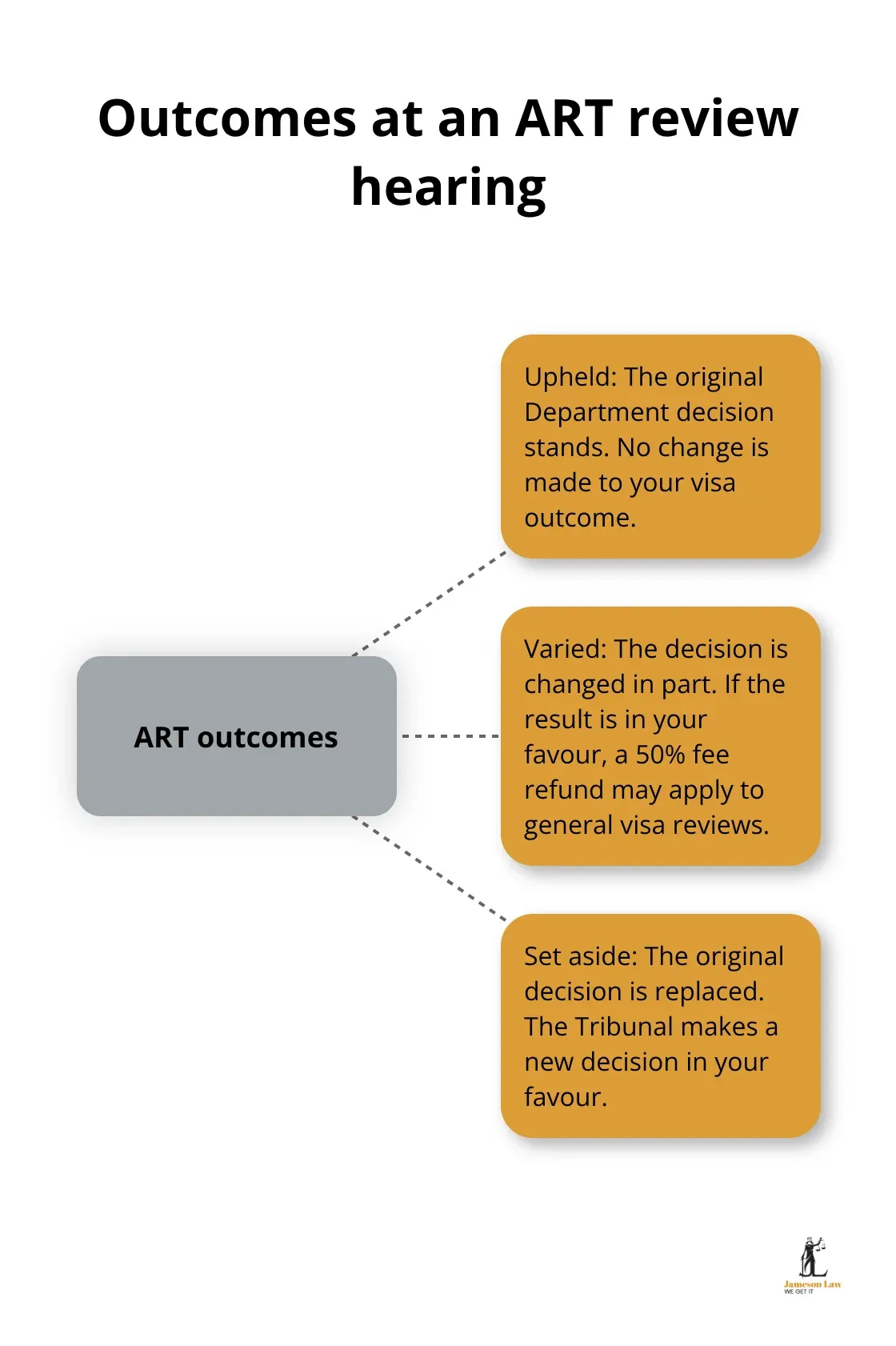
If the ART upholds the refusal, you may appeal to the Federal Court of Australia. However, this is only possible if the Tribunal made a jurisdictional error (a legal mistake), not just because you disagree with the factual decision.
Getting Legal Help for Your Appeal
You need a migration lawyer involved before you lodge. Identifying legal errors early is crucial. Organizations like Legal Aid NSW or Victoria Legal Aid may assist with protection visa appeals.
Collecting and Presenting Evidence Strategically
A lawyer ensures you collect the right evidence within the tight ART timeframes. For partner visas, this means gathering joint financial records. For character cases, it involves proving rehabilitation.
Final Thoughts
A visa refusal does not end your immigration journey. Your Australian visa refusal appeal rights provide a structured pathway to challenge decisions.
Immediate action is critical. If you face a refusal, contact Jameson Law immediately. Our specialist lawyers can identify legal errors and construct a compelling submission to the Tribunal.