Australia attracts thousands of migrants each year seeking better employment prospects, improved living standards, and access to world-class healthcare and education. The decision to relocate is significant, and understanding the migration to Australia benefits helps you evaluate whether it aligns with your personal and professional goals.
At Jameson Law, we guide clients through the complexities of Australian migration pathways. This guide breaks down the economic realities, lifestyle advantages, and visa options you need to consider before making your move in 2026.
Economic Realities: What You’ll Actually Earn and Spend
Australia’s Salary Advantage for Skilled Workers
Australia’s economy ranks as the 12th largest globally and continues to expand, creating genuine demand for skilled workers across multiple sectors. According to the Australian Bureau of Statistics (ABS) report, skilled migrants earn a median income of AU$79,442 annually, substantially higher than family-sponsored migrants at AU$54,512.
This income differential reflete Australia’s skill shortage across healthcare, engineering, trades, and technology roles. The salary premium you receive as a highly experienced professional often exceeds what you would earn in comparable roles back home, particularly in fields where Australia faces persistent labor gaps and high skilled visa nomination priority.
Housing Costs: The Biggest Budget Item
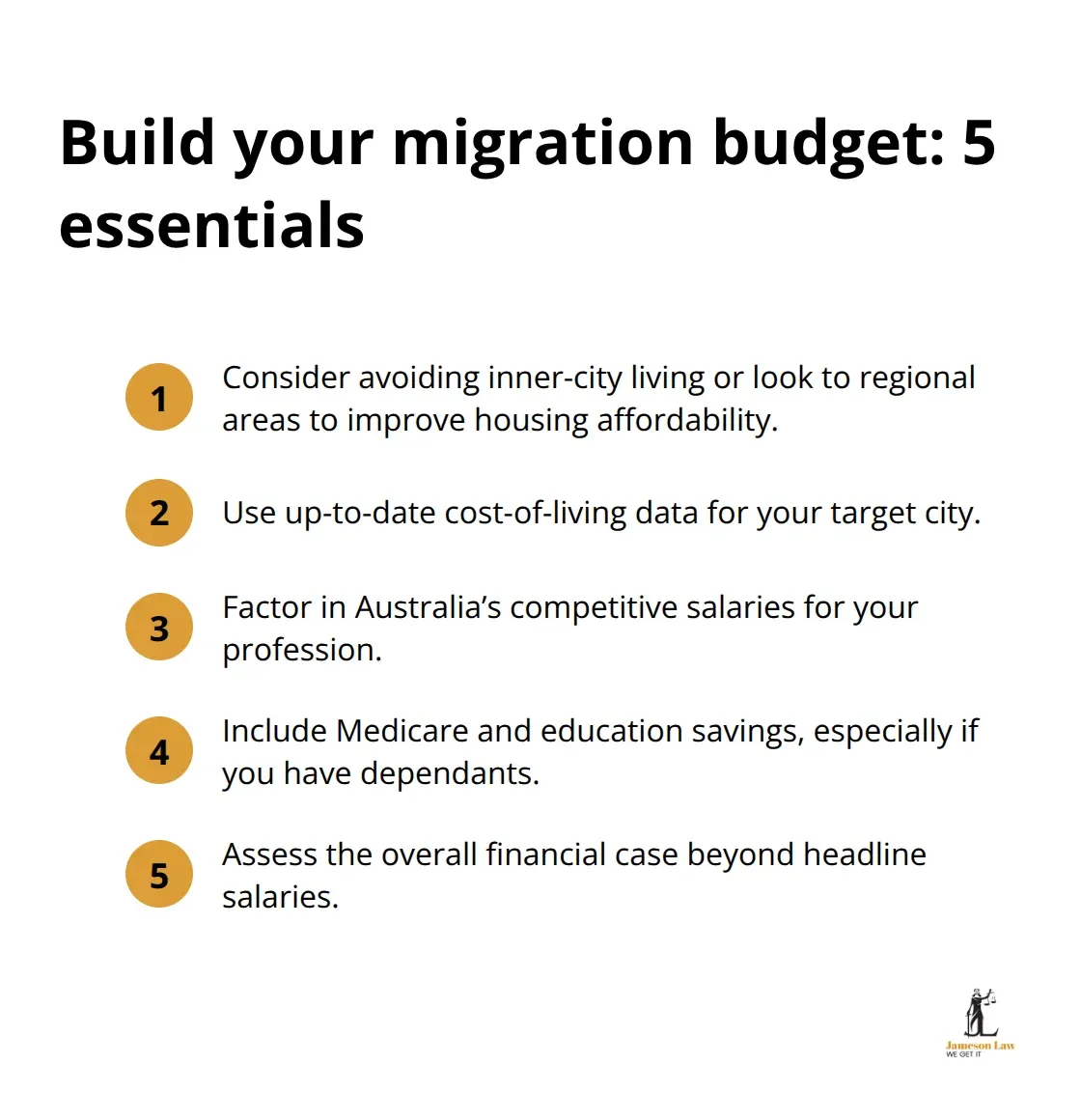
Housing demands particular attention when you calculate your actual financial position. Sydney’s mortgage rates sit around 4.5%, but property prices in inner-city areas can push monthly payments toward 30% of household income for many migrants. Rental markets in cities like Melbourne and Brisbane offer modest relief compared to Sydney, with outer suburbs providing meaningful savings. You should explore cost-of-living data for your target city before committing, as inflation and exchange rates shift these numbers over time.
Healthcare and Education: Hidden Financial Benefits
Healthcare costs present a different calculation than housing. Australia’s Medicare system covers most essential medical services at no point-of-service cost for permanent residents, eliminating the private insurance premiums many migrants faced previously. Education expenses also shift favourably—public schooling is government-funded, and university fees for permanent residents cost substantially less than international student rates.
Why Lifestyle Matters More Than You Think
Climate and Your Daily Wellbeing
Australia’s lifestyle advantages extend far beyond pleasant weather. Year-round sunshine across most regions measurably reduces vitamin D deficiency concerns and supports an outdoor-focused lifestyle. Research from VicHealth shows that consistent daylight improves both physical health and mental state. Whether you prefer the tropical weather of Queensland or the seasonal variety of major urban centres like Sydney and Melbourne, the geographic diversity allows for a high quality of life.
Work Culture and Time Off
Australian workplace culture emphasizes reasonable working hours and genuine time off. Permanent residents access four weeks of annual leave plus public holidays—substantially more than many other developed nations. The multicultural environment also ensures you’ll encounter diverse communities, reducing the psychological strain of displacement that some migrants experience.
Finding Your Visa Pathway
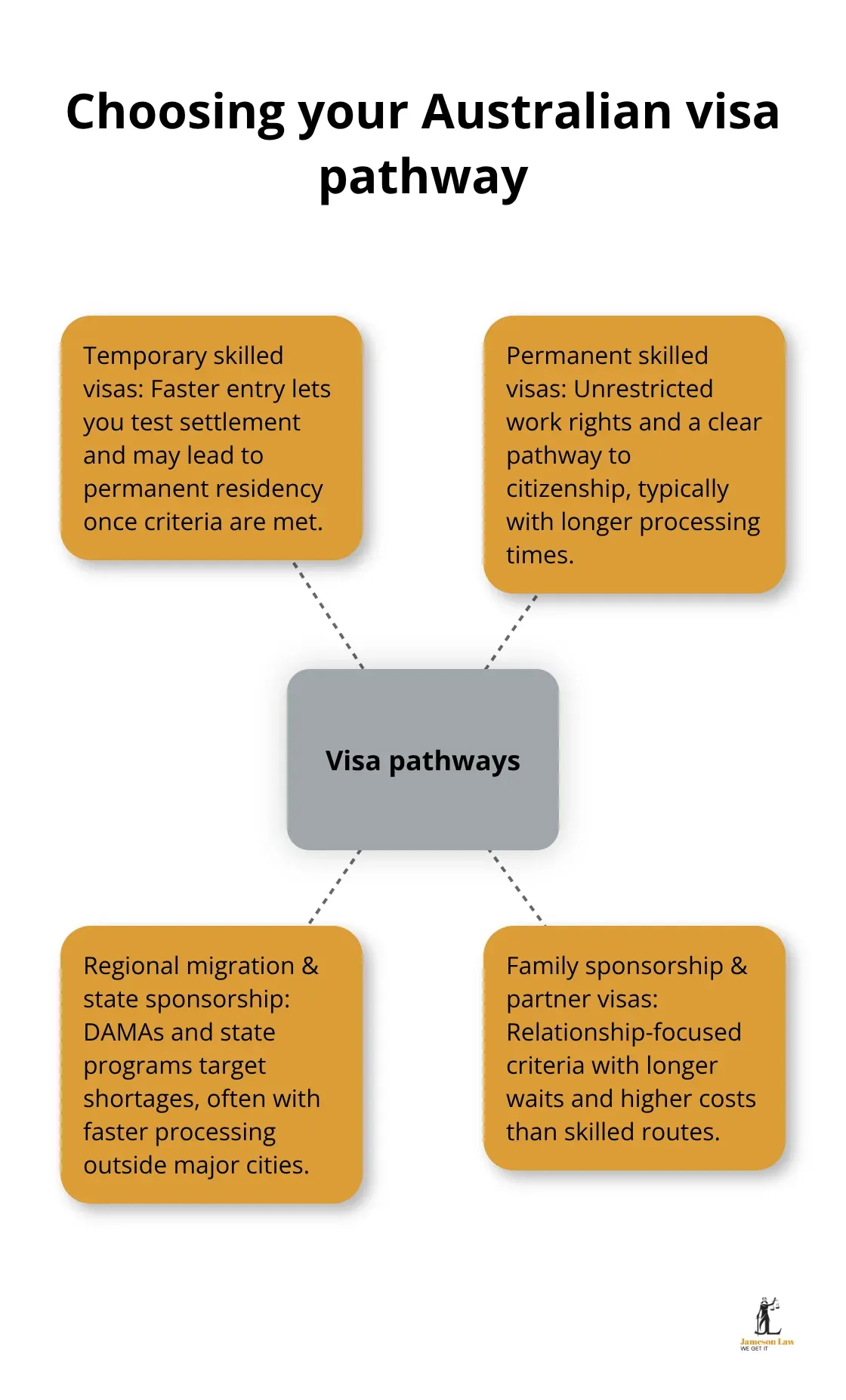
Australia’s migration system operates through distinct streams. The Department of Home Affairs prioritises workers who fill labour market gaps via a points-based system. You must verify that your occupation appears on the current skilled occupation list before investing time in an application.
Selecting the Right Pathway
State sponsorship and regional migration through Designated Area Migration Agreements (DAMA) often provide faster processing than limited places in major cities. Alternatively, partner visas and family sponsorship follow different criteria, prioritizing relationship status over employment demand. Understanding which stream genuinely fits your circumstances prevents wasted applications.
Final Thoughts
The migration to Australia benefits outlined—competitive salaries, world-class healthcare, and genuine work-life balance—combine to create conditions where skilled workers build satisfying lives in 2026. However, these advantages only materialise when you select the correct visa pathway and approach your move with realistic expectations.
The migration process benefits from careful planning and expert legal guidance. Contact Jameson Law today to discuss your migration plans with highly experienced lawyers who understand both the legal requirements and the practical realities of Australian settlement.