Getting an Australian work visa involves navigating multiple pathways, each with distinct requirements for Australian work visas. The process demands careful attention to documentation, health checks, and character assessments.
At Jameson Law, we’ve guided hundreds of applicants through this journey. This guide breaks down the visa types, application steps, and critical considerations you need to know.
Your Visa Pathway: Which One Fits Your Situation?
The Skilled Independent Visa Route
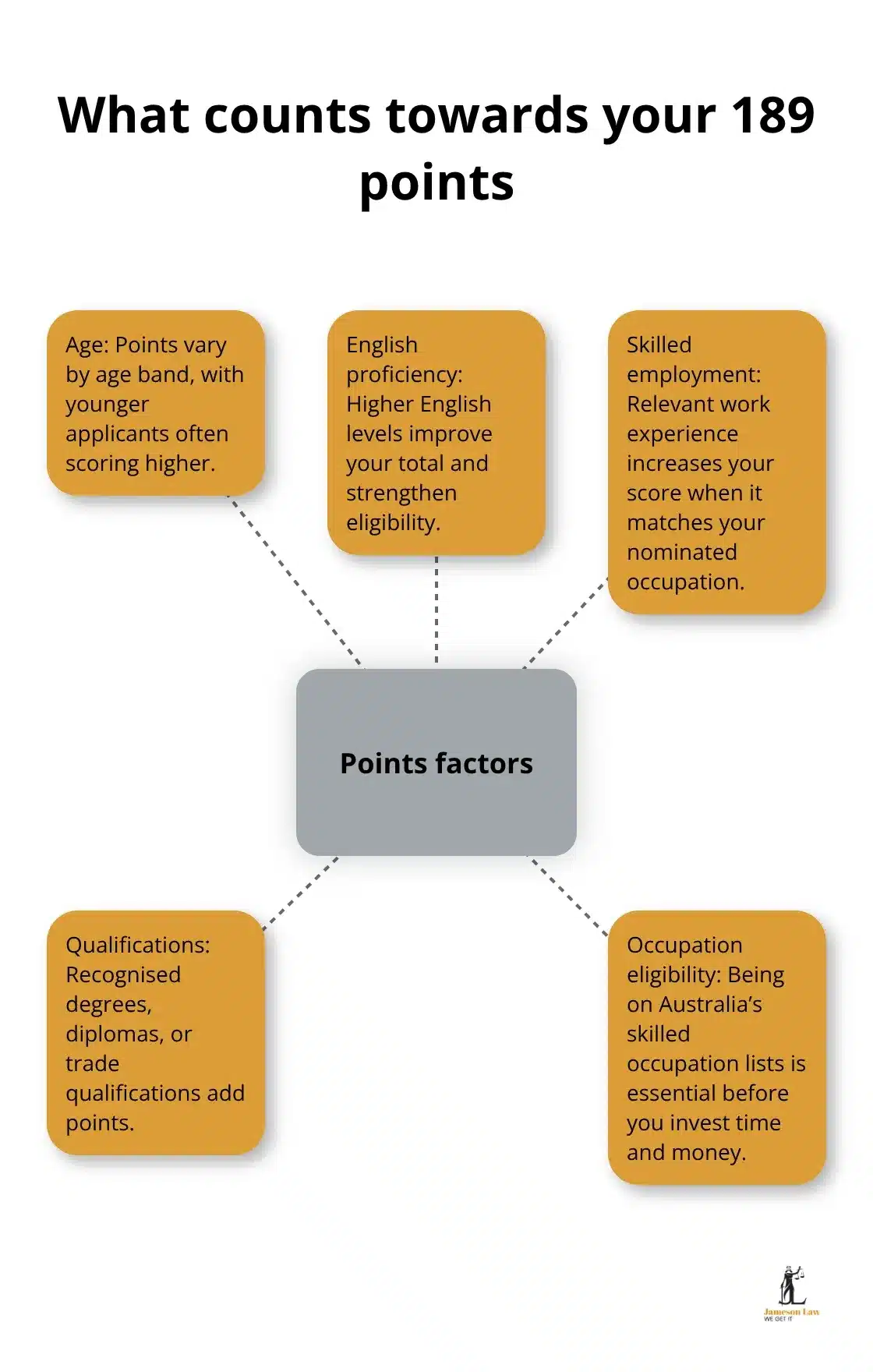
Australia offers three primary work visa pathways. The Skilled Independent Visa (Subclass 189) suits professionals who can meet points-based criteria without employer sponsorship. According to the Department of Home Affairs, this visa uses a Points Table as the primary tool. Your points come from factors like age, English proficiency, and skilled employment.
Most applicants need at least 65 points to receive an invitation. You must verify that your occupation qualifies on the Skilled Occupation List before investing time.
Employer-Sponsored and Labour Agreement Visas
Employer-sponsored visas (like the Subclass 482) operate differently because your employer takes on the sponsorship responsibility. These pathways suit skilled workers in industries facing labour shortages. Your employment situation becomes central to your eligibility.
English Language Requirements Across All Pathways
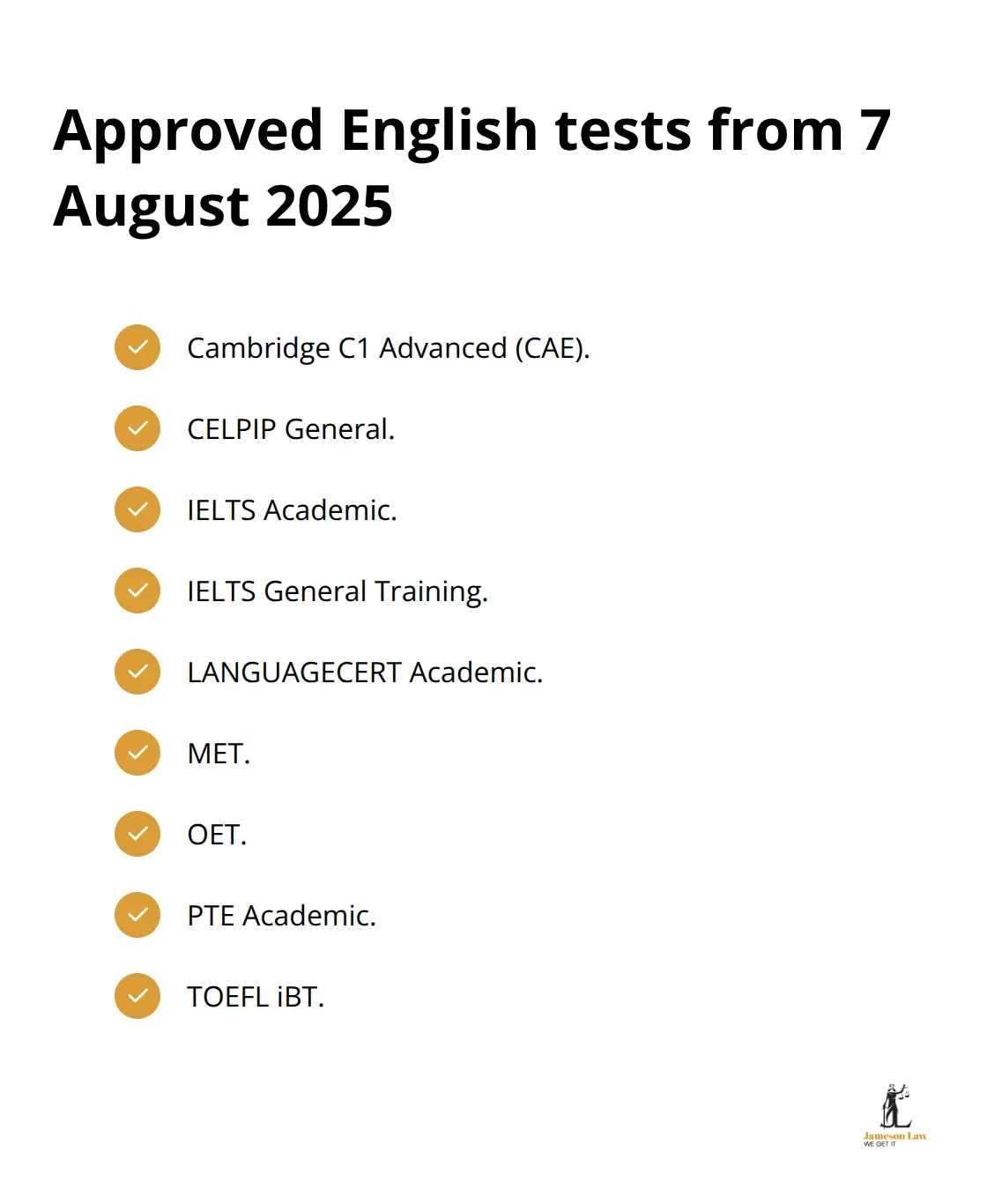
The Department requires evidence of English proficiency. Accepted tests include IELTS Academic, PTE Academic, and TOEFL iBT. Your English level requirement varies by visa subclass, ranging from Functional to Superior English.
Building Your Application
Documentation Quality Determines Your Outcome
Successful Australian work visa applications stand or fall on documentation quality. Incomplete files create delays. Applicants who invest time upfront in gathering correct evidence move through assessment faster.
Character Assessment and Police Certificates
Start by obtaining a National Police Check from every country where you’ve lived for more than 12 months. The Department treats criminal history seriously under Section 501 of the Migration Act 1958.
English Proficiency and Health Assessment Evidence
English proficiency tests must be taken at secure testing centres. Tests like PTE Academic are widely accepted. Health assessments require examination by Bupa Medical Visa Services (the current provider in Australia).
Costs and Processing Timelines
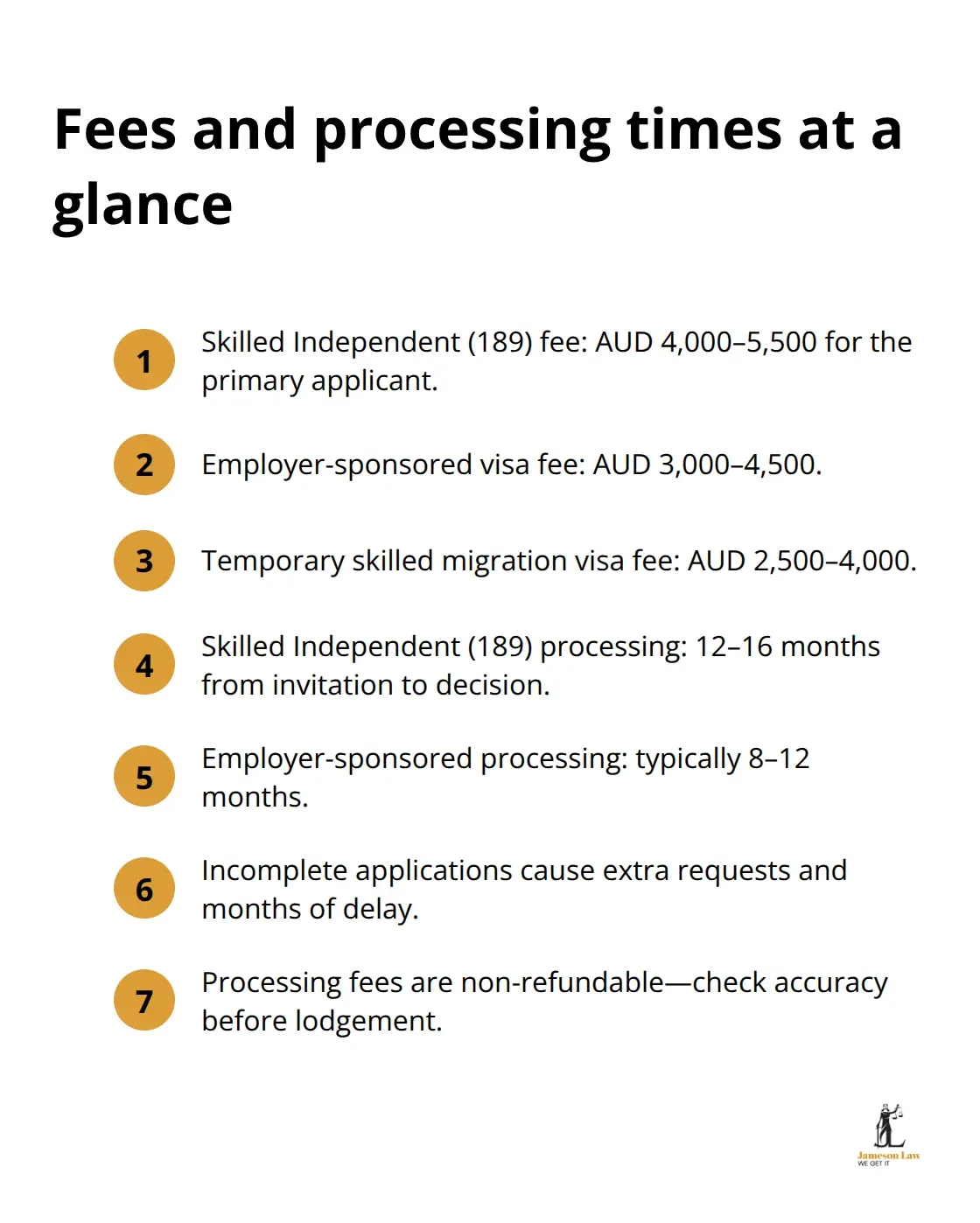
Processing fees are non-refundable. Skilled independent visas typically cost over AUD 4,000. Processing times have lengthened, often averaging 12–16 months. Our immigration lawyers can help streamline this process to avoid unnecessary delays.
Securing Your Visa Through English Proficiency and Conditions
English Language Tests: Requirements and Timing
English language requirements form a hard boundary. The Department updated approved tests in 2024/2025. Verify the exact minimums for your chosen test before booking.
State Sponsorship: A Secondary Pathway
State sponsorship (Subclass 190 or 491) adds a secondary pathway. This dramatically improves your chances if your occupation appears on a state list (e.g., NSW Skilled Migration). State sponsors prioritise occupations facing regional labour shortages.
Visa Conditions: Non-Negotiable Legal Requirements
Visa conditions are legally binding. Common conditions include requirements to maintain health insurance and notify the department of address changes. Ignorance provides no defence against visa cancellation.
Final Thoughts
Australian work visa requirements demand careful planning. Skilled Independent visas suit professionals with high points, while employer-sponsored visas work for those with job offers. Each pathway carries distinct obligations.
The most common mistakes stem from incomplete documentation and underestimating preparation timelines. Contact Jameson Law today to discuss your options with our immigration specialists and ensure your application is built for success.