

Applying for an Australian visa is a rigorous legal process. Submitting an incomplete application or providing irrelevant paperwork can result in severe processing delays or an outright refusal. At Jameson Law, our immigration team helps applicants navigate the strict evidentiary requirements enforced by the Department of Home Affairs.
Getting your visa application checklist Australia right before lodging saves time, money, and stress. This 2026 guide outlines the core document categories, how to use your ImmiAccount effectively, and the critical standards for document quality.
Understanding Your ImmiAccount Document Checklist
A frequent error applicants make is relying on generic, third-party internet checklists. There is no universal document list for every Australian visa. The exact paperwork you must provide depends entirely on the visa subclass you are applying for and your unique factual circumstances.
When you create an ImmiAccount and begin your specific visa application, the portal generates a tailored checklist. This is the only checklist you should follow. Front-loading your application by attaching all requested documents at the time of lodgement is the most effective way to prevent a Request for Further Information (RFI) from a case officer, which immediately delays processing.
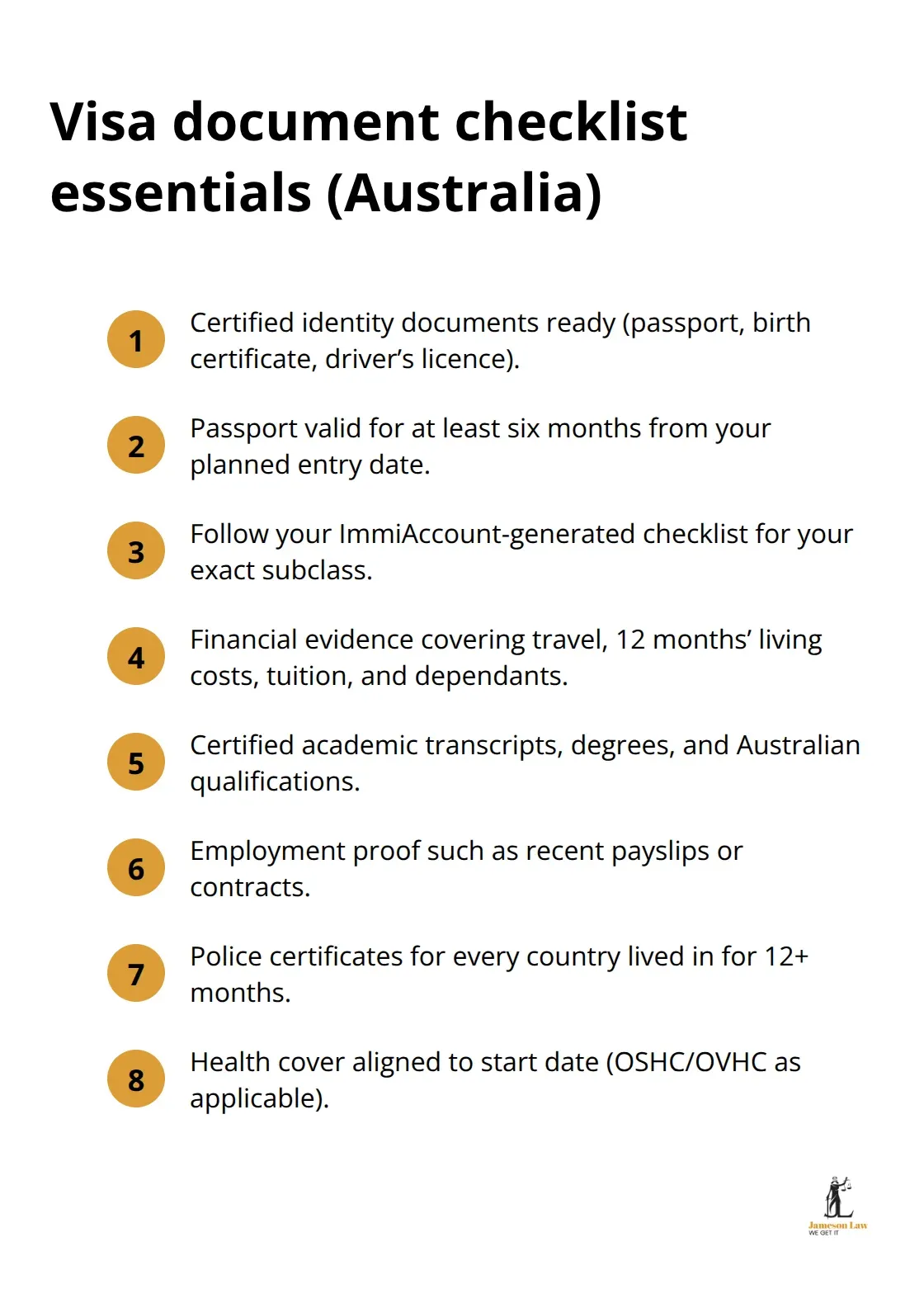
Core Document Categories for Australian Visas
1. Identity and Civil Status
Identity evidence is required, but the exact documents depend on the visa subclass and the checklist shown in ImmiAccount.
- Passport: Provide a clear colour scan of the biometric (photo) page of your current passport and follow any validity instructions for your visa.
- Birth Certificate: Provide a birth certificate if it appears in your ImmiAccount checklist or is relevant to your application.
- Name Change Evidence: If applicable, provide marriage certificates, divorce decrees, or official deed poll documents tracing any name changes.
- National Identity Cards: Provide national identity documents if your checklist asks for them.
2. Financial Capacity and Sponsorship
Some visa subclasses require evidence of financial capacity. Check the current criteria and your ImmiAccount checklist before deciding what to provide.
- Bank Statements: Provide the period and type of bank evidence requested for your subclass; there is no universal statement period.
- Income Evidence: Payslips, tax returns, or employment contracts.
- Sponsor/Nominator Documents: Where sponsorship or nomination applies, provide the documents requested for the sponsor or nominator and the relevant application stream.
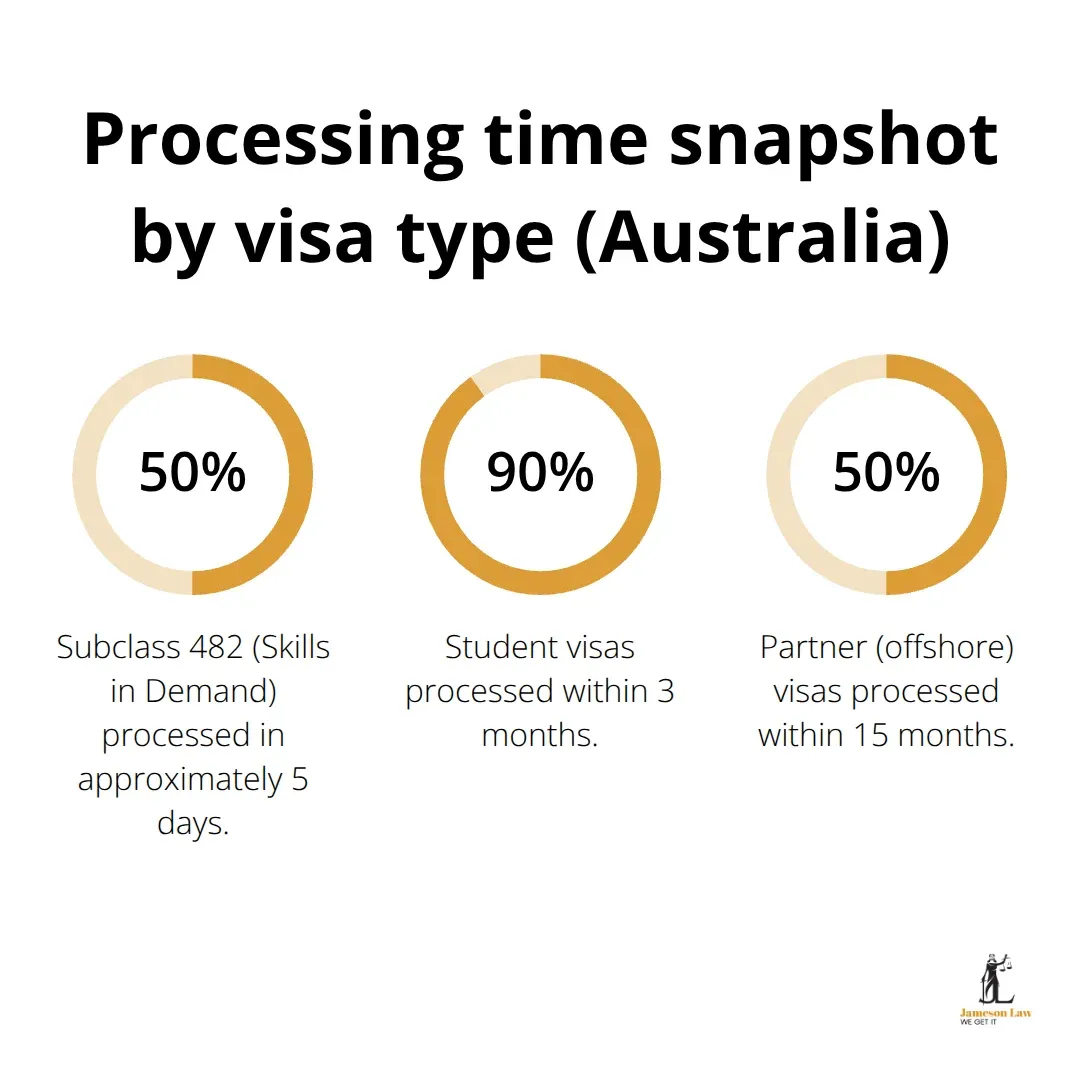
3. Qualifications, Skills, and English Proficiency
Skilled migration (such as Subclass 189, 190, or 482) and Student visas heavily scrutinize your background.
- Skills Assessments: If required, a positive skills assessment from the relevant Australian assessing authority.
- Academic Transcripts: Certificates and full transcripts of your completed studies.
- English Language Tests: Valid results from an approved test (e.g., IELTS, PTE Academic) completed within the accepted timeframe.
- Employment References: Formal letters on company letterhead detailing your specific duties, dates of employment, and salary.
4. Character and Health Requirements
The Australian Government rigorously enforces Public Interest Criteria regarding health and character.
- Police Checks: You may be asked for police certificates or other character evidence. The countries and periods covered depend on the visa and the Department’s request.
- Health Examinations: Do not undertake a health exam unless instructed. If required, you will be issued a HAP ID through ImmiAccount to book an appointment with a Department-approved panel physician.
Document Quality and Translation Standards
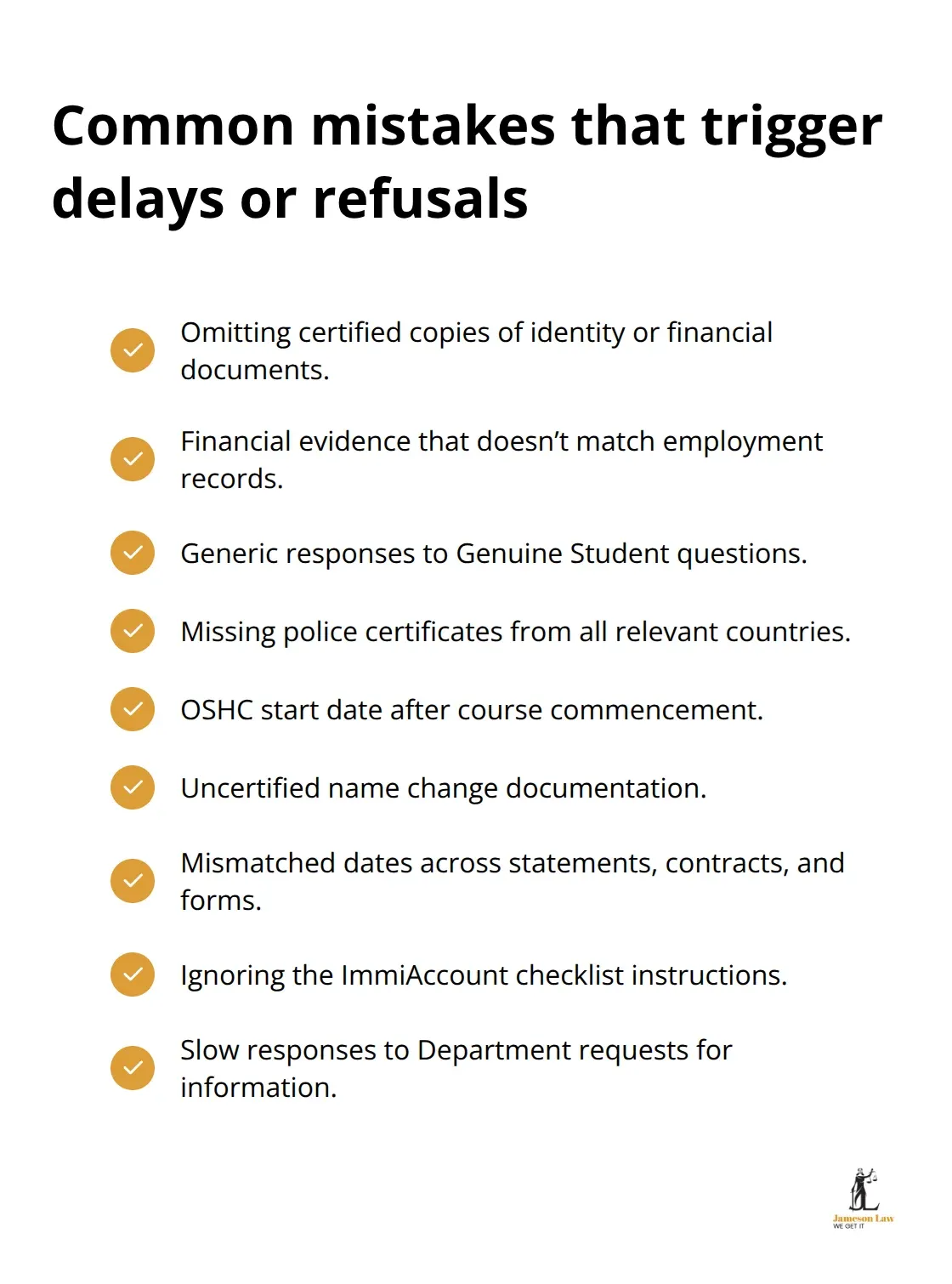
The technical quality of your submission matters just as much as the content. Poorly prepared documents lead directly to processing delays.
Translations (NAATI Requirements)
Any official document not in English must be translated. If the translation is conducted within Australia, the translator must be accredited by the National Accreditation Authority for Translators and Interpreters (NAATI). For translations completed outside Australia, follow the Department’s instructions about the translator’s name, address, telephone number, qualifications and experience. Upload both the original foreign-language document and the English translation.
Scanning and Certification
For most online applications lodged via ImmiAccount, providing high-quality, full-colour scans of the original documents is sufficient. You generally do not need to have them certified by a Justice of the Peace unless the ImmiAccount specifically instructs you to provide “certified copies.” Ensure scans are not blurry, cropped, or obscured by glare.
Frequently Asked Questions
Is there a standard visa application checklist for all Australian visas?
No. The required documents depend entirely on your specific visa subclass, your individual circumstances, and the legislative criteria for that visa. You must follow the tailored document checklist generated within your ImmiAccount.
Do all my Australian visa documents need to be certified copies?
Not always. For most online applications submitted through ImmiAccount, high-quality colour scans of original documents are acceptable. However, you should strictly follow the Department’s instructions, as certain identity documents or paper applications may still require formal certification.
How do I provide non-English documents for an Australian visa?
Provide an English translation and the original document. If translated in Australia, use a NAATI-accredited translator. For overseas translations, include the translator’s name, address, telephone number, qualifications and experience.
Final Thoughts
Preparing a compliant visa application checklist Australia is a meticulous exercise in statutory compliance. A “decision-ready” application—one where every required identity, financial, character, and skills document is attached at lodgement—gives your file the best possible chance of moving smoothly through the Department’s queues.
Because migration law and evidentiary policies update frequently, applicants must rely solely on current guidance within their ImmiAccount rather than outdated online forums. If your application involves complex issues such as sponsorship requirements, character concerns, or intricate financial structures, obtaining professional legal guidance is highly recommended to ensure you meet all legislative criteria.
To ensure your visa application is comprehensive and compliant with Australian migration law, contact the immigration team at Jameson Law for an assessment.