

Receiving a visa refusal Australia notice from the Department of Home Affairs is a serious development, but it does not automatically mean you have run out of options. Understanding the exact statutory grounds for the decision is the essential first step in determining whether you can seek a tribunal review or lodge a fresh application.
At Jameson Law, our immigration law team assists applicants in evaluating decision records, navigating merits review before the Administrative Review Tribunal (ART), and assessing reapplication pathways under the Migration Act 1958.
Understanding Your Visa Refusal Australia Decision Record
When the Department of Home Affairs refuses a visa, it must provide a formal written notification letter alongside a detailed Decision Record. This document outlines the legal criteria that the case officer determined were not satisfied under the Migration Regulations 1994.
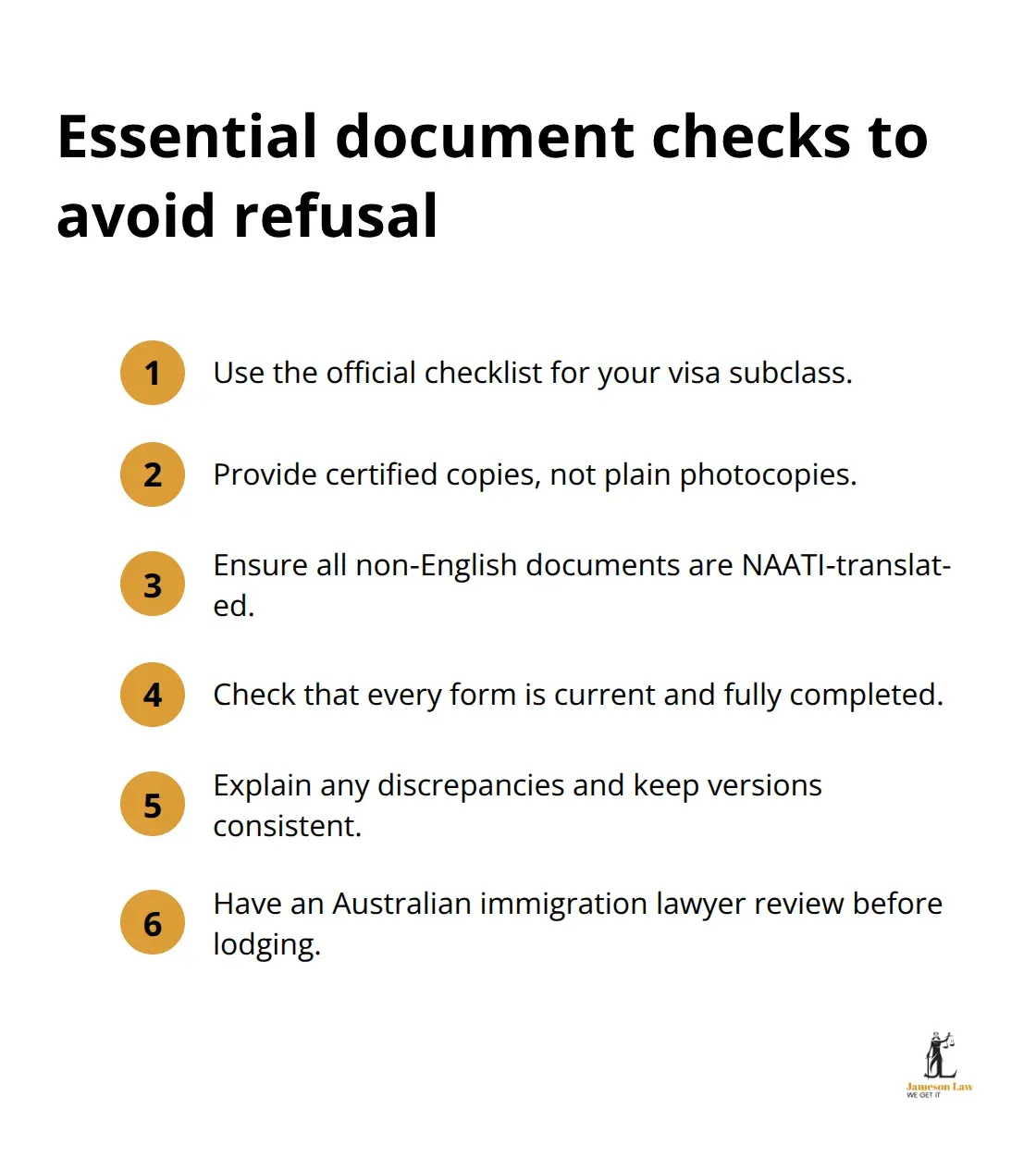
Carefully examining the Decision Record reveals whether the refusal was based on mandatory threshold criteria (such as English language testing or health requirements), factual discrepancies, or discretionary assessments. Identifying these reasons provides the foundation for determining whether an appeal is viable or whether the decision was legally sound.
Key Grounds Leading to Visa Refusals in Australia
Health, Character, and Public Interest Criteria (PIC 4020)
Mandatory criteria apply to almost all Australian visa subclasses. Failure to satisfy these criteria will result in refusal regardless of other strengths in the application:
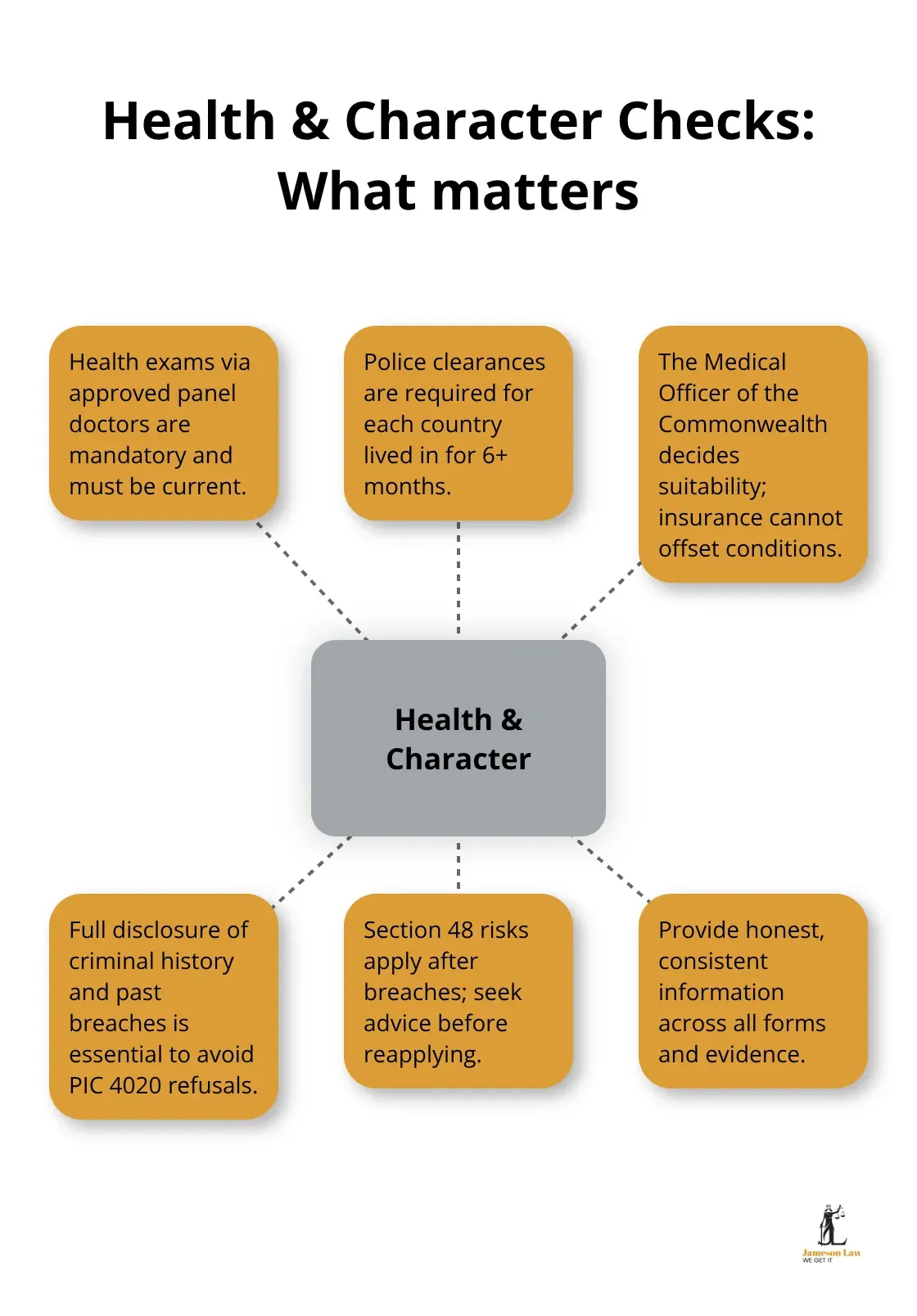
- Public Interest Criterion 4020 (PIC 4020): Refusals under PIC 4020 occur if an applicant provides bogus documents or false or misleading information to the Department, or cannot satisfy the Minister as to their identity. This criterion carries multi-year exclusion periods.
- Health Criteria: If the Medical Officer of the Commonwealth assesses that an applicant’s condition fails the health requirement (due to significant healthcare or community service costs), the visa will be refused unless a health waiver is legally available and granted.
- Section 501 Character Refusals: Refusals on character grounds arise from substantial criminal records, associations, or general conduct assessed against statutory character provisions.
Financial Capacity and Genuine Intention Requirements
Many temporary visa refusals (including Student and Visitor visas) stem from failure to satisfy genuine stay requirements or demonstrate sufficient financial capacity. Incomplete bank statements, unexplained recent deposits, or insufficient evidence of ongoing ties to your home country can lead case officers to conclude that the applicant is not a genuine temporary entrant.
Immediate Actions Following a Refusal Notice
Checking Notification Dates and Review Deadlines
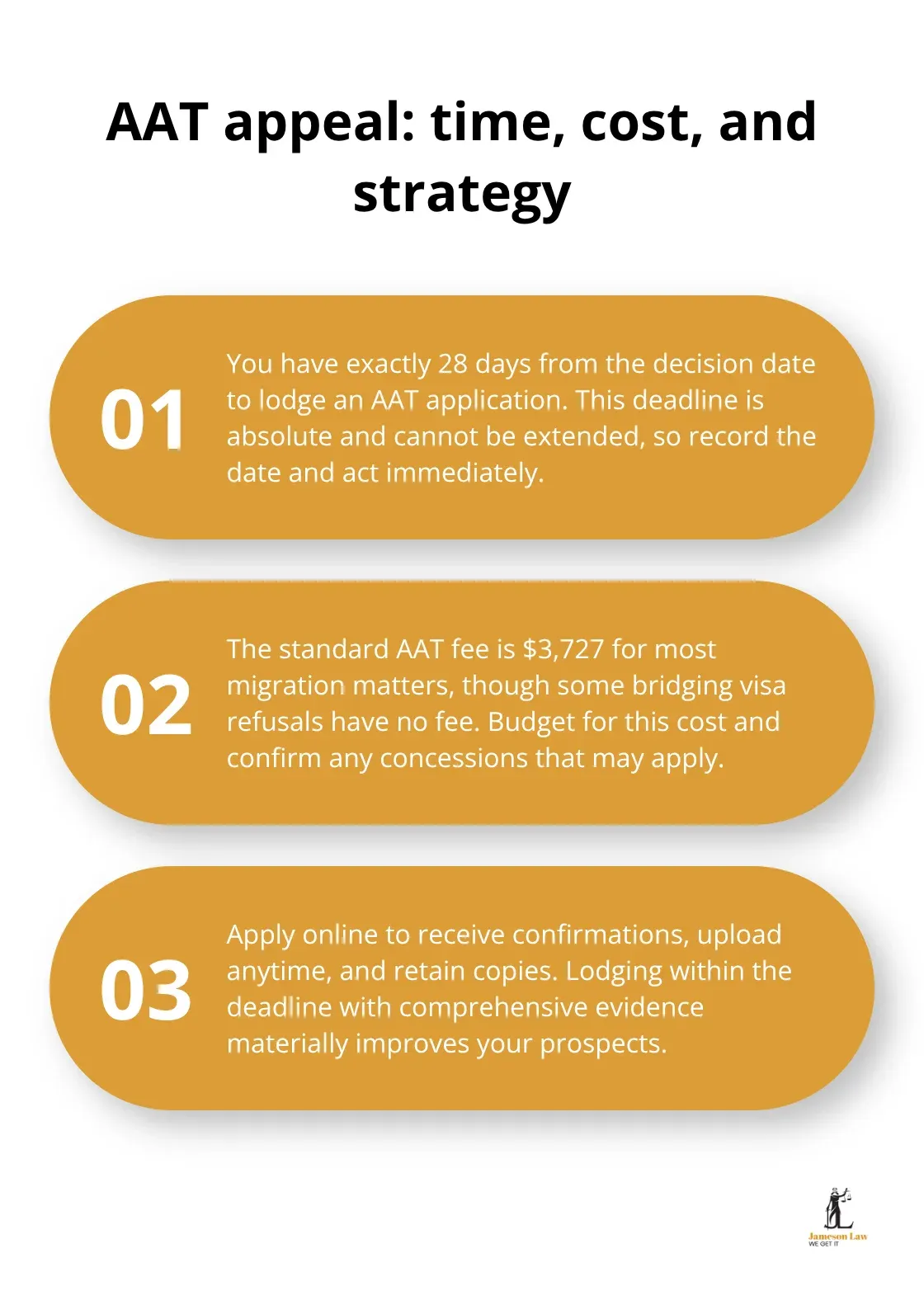
Your notification letter sets out whether the decision is subject to merits review and specifies the exact deadline to lodge an application. You must strictly follow the timeframe specified in your decision letter.
Statutory time limits for tribunal review are strictly enforced under the Migration Act 1958 and cannot be extended by the tribunal. Because calculation of the deadline depends on how and when the letter was deemed received under statutory notification rules, verifying the exact cut-off date immediately upon receipt is critical.
The Section 48 Bar and Reapplication Limits
If you are in the migration zone, do not hold a substantive visa and have had a visa refused or cancelled since last entering Australia, section 48 of the Migration Act 1958 may prevent you from making another visa application while you remain in Australia. The bar is subject to a prescribed and changing list of applications and other statutory qualifications.
Do not assume that a particular visa is available onshore. Check your status in VEVO, the current legislation and your refusal notice before lodging anything. Whether section 48 applies can determine whether an onshore application is valid or a person must pursue another lawful pathway.
Pathways to Challenge a Visa Refusal in Australia
1. Merits Review at the Administrative Review Tribunal (ART)
The Administrative Review Tribunal (ART) is the independent statutory body responsible for reviewing administrative decisions, including reviewable migration and refugee refusals (having replaced the former Administrative Appeals Tribunal).
For a reviewable decision, the ART conducts merits review and decides whether the correct or preferable decision can be made under the law and evidence. Procedure depends on the case. Since 1 June 2026, most student visa refusal reviews must be decided without an oral hearing, except in limited circumstances; applicants can still provide documents and submissions. Check the ART migration review guidance for the current process. The ART can:
- Affirm: Agree with the Department’s decision to refuse the visa.
- Remit: Send the matter back to the Department with a binding direction that a specific criterion is met, directing them to continue processing.
- Set Aside or Substitute: Overturn the refusal and make a new decision where permitted by law.
2. Judicial Review for Legal Error
Judicial review is not another merits review. A court considers whether the decision was affected by jurisdictional or other reviewable legal error—for example, a denial of procedural fairness or applying the wrong legal test. It does not simply reconsider whether the visa should be granted.
Migration matters commonly begin in the Federal Circuit and Family Court of Australia, with different pathways for some matters and appeals. Court time limits and jurisdiction are technical, so urgent legal advice should be taken from the decision and applicable legislation.
3. Ministerial Intervention
Ministerial intervention is not a further merits appeal and the Minister cannot be compelled to consider or exercise a personal public-interest power. Statutory prerequisites and current ministerial instructions control which requests may be referred. It is an exceptional pathway, not a substitute for meeting an ART or court deadline.
Anyone considering it should check the current Home Affairs ministerial intervention information and obtain advice about whether the relevant power is enlivened.
Frequently Asked Questions
What should I do immediately after receiving a visa refusal in Australia?
Check your official refusal notification letter immediately to determine your deemed date of notification, the specific legislative criteria you failed to meet, whether the decision carries merits review rights, and the strict statutory deadline for applying to the Administrative Review Tribunal (ART).
How does the Administrative Review Tribunal (ART) review a visa refusal?
The Administrative Review Tribunal (ART) conducts a fresh merits review of reviewable migration decisions. The Tribunal evaluates whether you meet the statutory criteria under the Migration Act 1958 and Migration Regulations 1994, with the power to affirm the refusal, remit the matter back to the Department with directions, or substitute a new decision.
What is the Section 48 bar in Australian migration law?
Section 48 of the Migration Act 1958 applies to non-citizens who are in the migration zone without a substantive visa and who have had a visa refused or cancelled since last entering Australia. It prevents them from applying onshore for most other substantive visas, subject to narrow statutory exceptions.
Final Thoughts
Navigating a visa refusal in Australia requires prompt analysis of the Decision Record, careful calculation of statutory deadlines, and an objective assessment of available appeal or reapplication avenues. Because the rules governing tribunal jurisdiction, Section 48 limitations, and court review are complex, obtaining qualified legal assistance ensures your matter is handled in strict compliance with current migration law.
If you have received a refusal notification and need guidance on your review rights or next steps, contact Jameson Law for an assessment of your matter.