Facing criminal charges in NSW can feel overwhelming, especially when you’re unsure about court procedures and your legal options.
A Sydney criminal lawyer with experience in local and district courts can guide you through each stage, from initial police questioning to potential appeals. We at Jameson Law understand the complexities of NSW criminal proceedings and help clients build strong defences based on their specific circumstances.
This guide walks you through the court structure, preparation strategies, and trial process so you know what to expect.
How NSW Courts Handle Different Criminal Cases
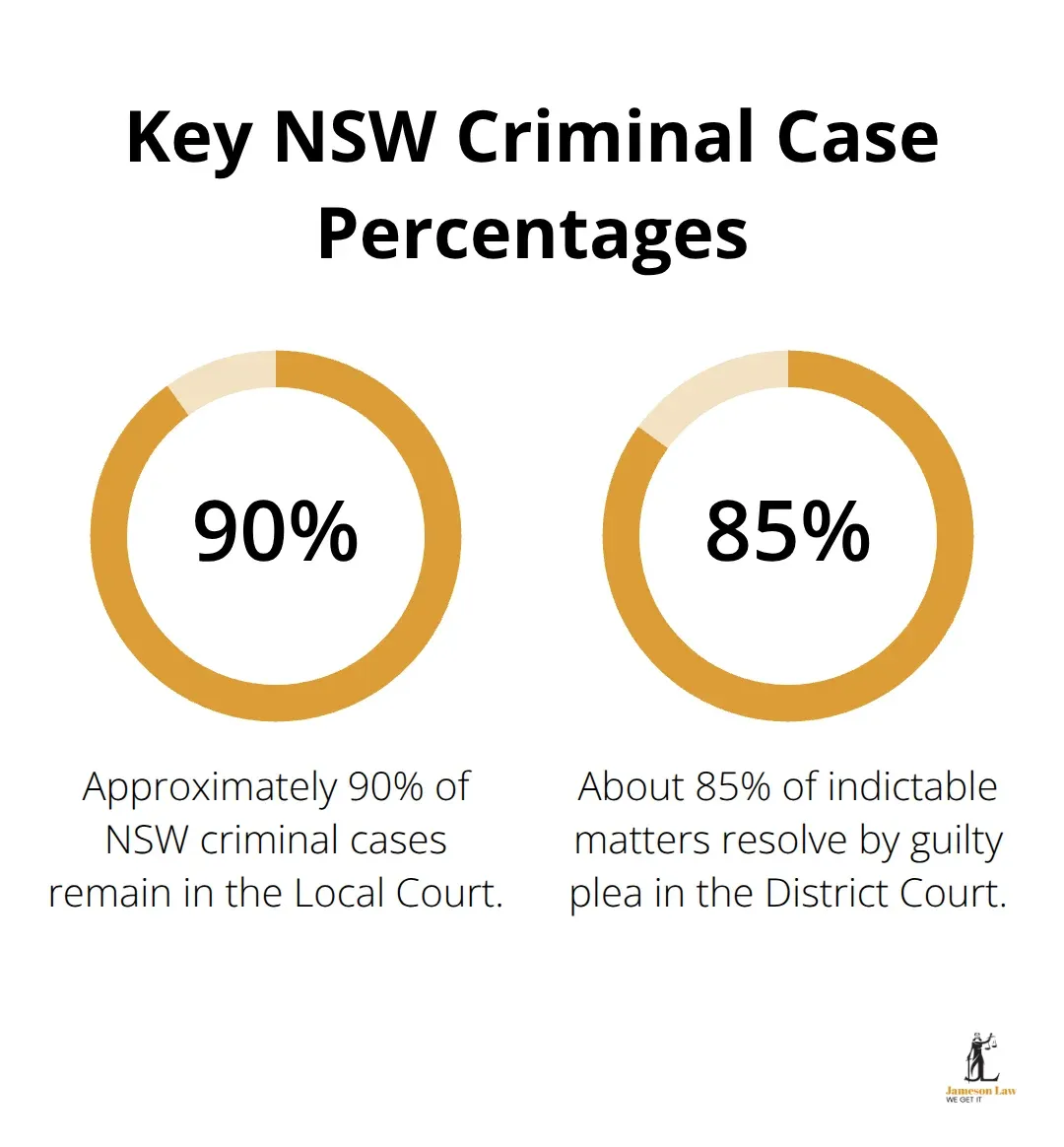
NSW operates a two-tier criminal court system that determines where your case will be heard and what procedures apply. The Local Court handles the majority of criminal matters-approximately 90% of all criminal cases in NSW never progress beyond this level. These courts deal with less serious offences like common assault, shoplifting, drink driving, and property damage where the maximum penalty is typically two years imprisonment or less. The District Court takes on more serious indictable offences such as robbery, sexual assault, drug trafficking, and grievous bodily harm, where sentences can exceed two years.
Understanding which court handles your matter matters because the procedures, timelines, and available defences differ significantly between them.
Local Court: Where Most Cases Are Resolved
If you face a summary offence or an indictable offence that can be dealt with summarily, your first appearance will occur in Local Court within days of being charged. The magistrate will address bail conditions, set court dates, and explain your rights at this initial hearing. Most defendants resolve their case through either guilty pleas or trial over several months. Your lawyer will negotiate with the prosecutor at multiple court mentions, gather evidence, and explore whether the matter can be resolved without trial. Many cases settle at the plea negotiation stage because defendants and prosecutors reach agreement on facts and appropriate sentencing. If your case proceeds to trial in Local Court, a magistrate hears it without a jury, and the decision rests on whether the prosecution proves guilt beyond reasonable doubt.
Indictable Offences and Your Right to Elect
Indictable offences are treated more seriously and typically involve greater harm or moral culpability. If you face an indictable offence, you have the right to elect trial in District Court before a judge and jury rather than accepting summary disposal in Local Court. This election is strategic-jury trials offer different dynamics than magistrate decisions, but they also take longer and cost more to prepare. The District Court process begins with a committal hearing in Local Court, where the magistrate reviews whether sufficient evidence exists to commit you to trial. This is not a trial itself but rather a threshold examination, and many committals result in charges being dismissed or reduced if the prosecution’s evidence is weak.
District Court Trials: Longer Timelines and Formal Procedures
If committed to District Court, your case follows a different timeline, typically taking twelve to eighteen months from committal to trial. District Court trials are more formal, with strict rules of evidence, the right to legal representation funded through the Public Defender’s Office if you qualify, and jury procedures that require unanimous verdicts. The complexity of your charges, the volume of evidence, and the availability of court dates all affect how long your matter takes to reach trial. Understanding these procedural differences helps you and your lawyer plan your defence strategy appropriately. Your next step involves preparing your defence, which requires gathering evidence, understanding your rights during police questioning, and building a strategy tailored to your specific circumstances.
Preparing Your Defence Before Court
Act Immediately After Charges
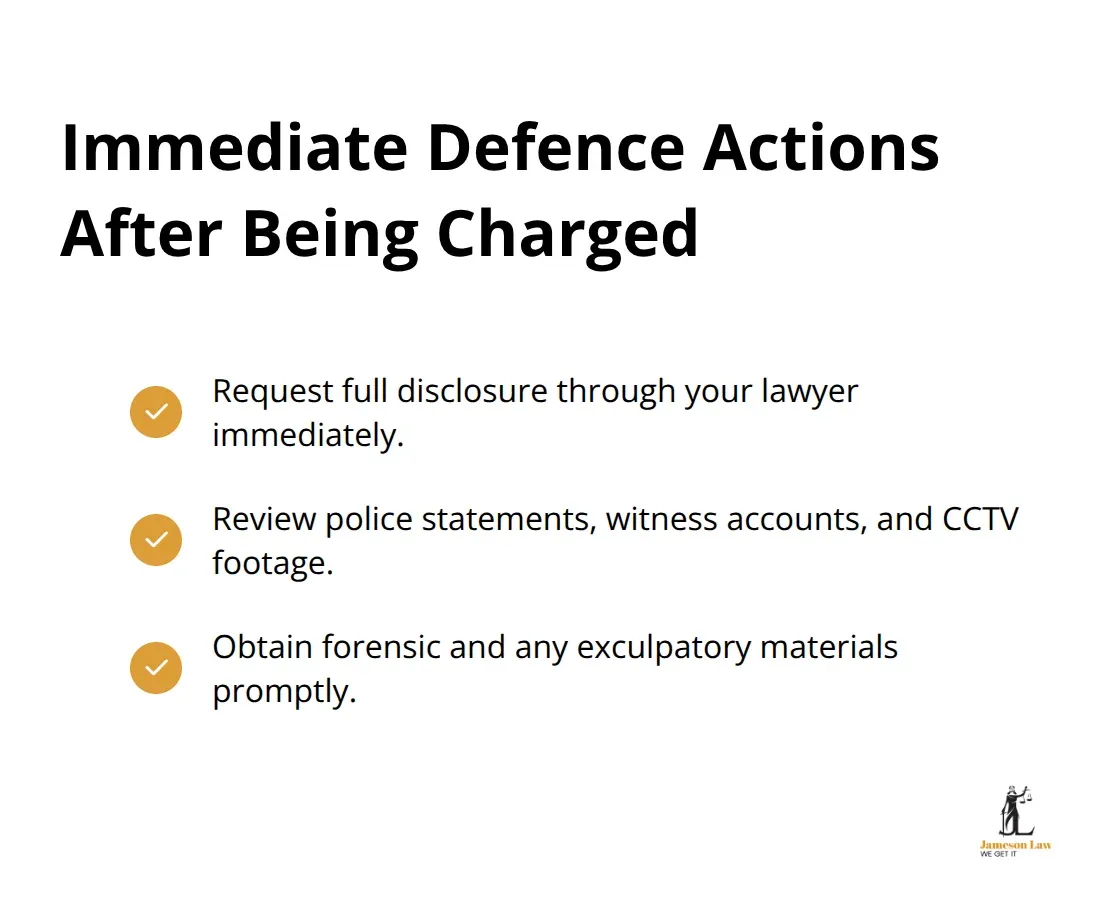
Your first actions after being charged set the foundation for your entire defence. Within the first few days, you need to request full disclosure of the prosecution’s evidence through your lawyer, as NSW police and prosecutors must provide all material that could affect your case. This disclosure typically includes police statements, witness accounts, CCTV footage, forensic reports, and any exculpatory evidence that supports your innocence.
Protect Your Rights During Police Questioning
Many defendants damage their case irreparably by speaking to police without legal representation. NSW Police must inform you of your right to contact a lawyer before questioning, and you should exercise this right immediately. Silence during police questioning is not an admission of guilt and protects your legal position. Your lawyer will advise whether any statements you’ve already made can be challenged on procedural grounds, such as whether you were properly cautioned or given access to legal advice.
Identify Weaknesses in the Prosecution’s Case
Once you understand what evidence the prosecution holds, your defence strategy becomes clear. You identify weaknesses in their case, gather contradictory evidence, locate witnesses who support your account, and determine whether procedural breaches occurred during investigation or arrest. This systematic approach transforms the disclosure into actionable intelligence that shapes your entire defence.
Gather Evidence Beyond Prosecution Disclosure
Building an effective defence requires systematic evidence gathering that extends beyond what the prosecution provides. If you were arrested or charged, obtain copies of the police occurrence book, custody records, and any body-worn camera footage from your arrest, as these documents often reveal whether proper procedures were followed. Witness statements are critical-if anyone saw the alleged offence or can testify about your character or whereabouts, contact them early and ask them to provide written statements to your lawyer.
Medical records, employment records, phone records, and financial documents frequently become essential evidence depending on your charges. For example, if you face a drink-driving charge, independent breath or blood analysis results, medical conditions affecting your test results, and maintenance records for the testing equipment can all undermine the prosecution’s case. Document any injuries, emotional distress, or property damage you suffered if you were wrongfully accused or arrested, as this supports applications for compensation or damages.
Construct Your Defence Narrative
Your lawyer will advise which evidence is admissible and persuasive, then construct a coherent narrative that challenges the prosecution’s version of events. The strength of your defence often depends on how thoroughly you gather evidence in these early months rather than scrambling to find witnesses and documents closer to trial. This preparation phase directly influences what happens next-understanding your legal rights and the specific procedures that apply to your charges determines whether you can challenge evidence or procedural errors before trial.
From Plea to Verdict: What Happens During Your Trial
Resolving Your Case Through Plea Negotiations
Most criminal cases in NSW never reach trial because defendants and prosecutors resolve matters through plea negotiations at mention hearings over several months. Your lawyer discusses the prosecution’s evidence strength, identifies weaknesses in their case, and proposes agreed facts that might lead to a guilty plea on lesser charges or with joint submissions on sentencing. The NSW District Court statistics show that approximately 85% of indictable cases resolve through guilty pleas rather than contested trials, which means understanding plea options is essential to your case outcome. If the prosecution’s case is weak, your lawyer may negotiate to have charges withdrawn entirely or reduced to summary offences that carry lower penalties.
Sentencing After a Guilty Plea
If you decide to plead guilty, the magistrate or judge will hear submissions from both your lawyer and the prosecutor about appropriate sentencing before imposing a penalty. Sentencing in NSW considers factors including your age, prior criminal history, remorse, personal circumstances, and the seriousness of the offence. Your lawyer will prepare detailed submissions highlighting mitigating factors that support a lenient sentence, such as early guilty plea, rehabilitation efforts, employment stability, or family responsibilities.
Local Court Trials: Magistrate Decisions
If you contest the charges and proceed to trial, the process differs significantly depending on whether you’re in Local Court before a magistrate or District Court before a judge and jury. In Local Court trials, the magistrate hears evidence from both sides and decides guilt or innocence based on whether the prosecution proves its case beyond reasonable doubt, with decisions typically delivered within days or weeks.
District Court Trials: Jury Procedures and Timelines
District Court trials are lengthier and more formal, with jury selection taking one to two days, evidence presentation spanning weeks or months depending on complexity, and jury deliberations sometimes lasting several days before a verdict is reached. Court appearance requirements are strict: you must attend every hearing and trial date unless your lawyer obtains permission for you to appear via video link, and failing to appear can result in additional charges and warrant for your arrest.
Appeals and Post-Conviction Options
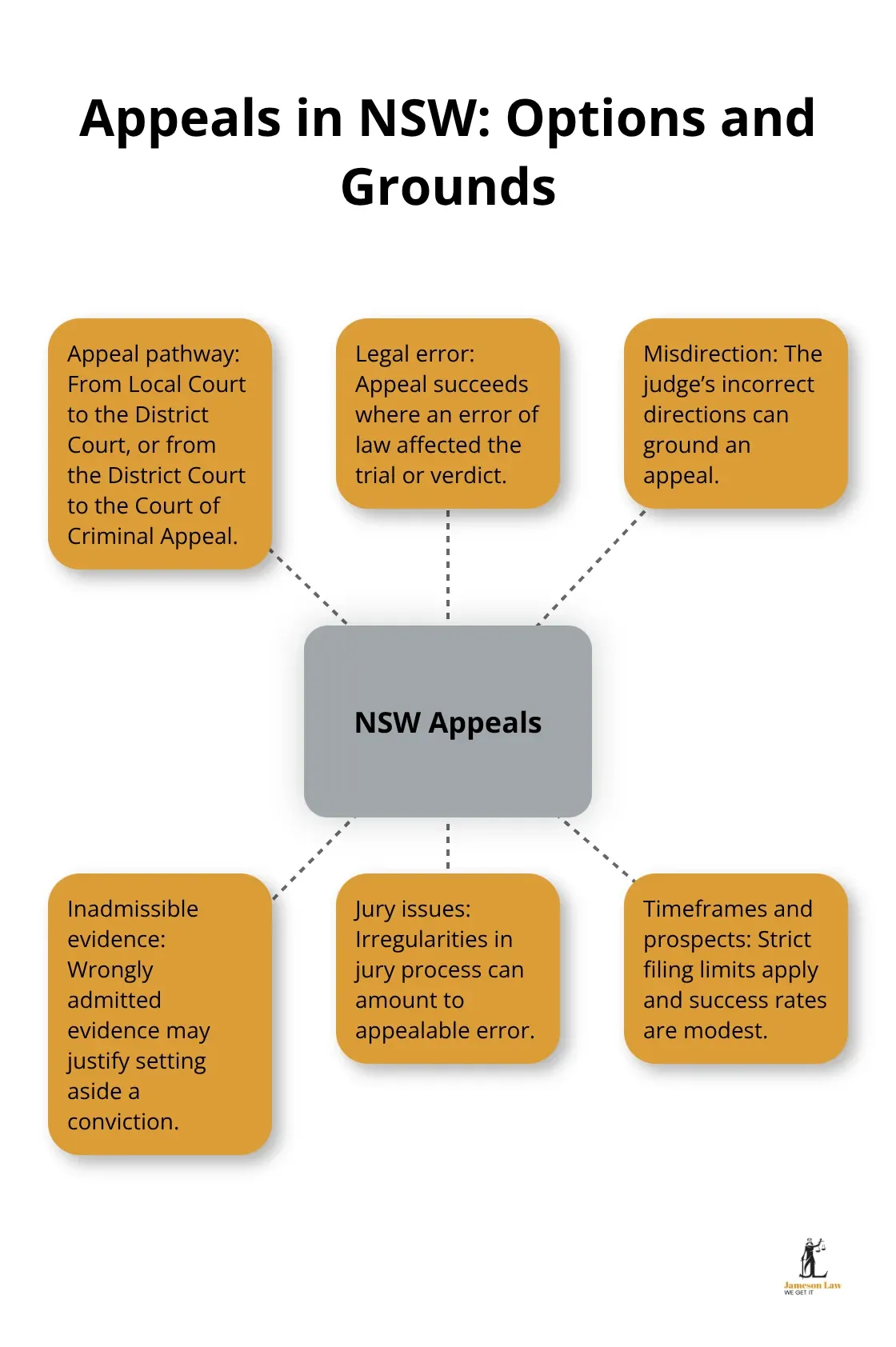
If convicted after trial, you have the right to appeal to the District Court if tried in Local Court or to the Court of Criminal Appeal if tried in District Court, though appeals succeed only when legal errors affected your trial or the verdict was unreasonable. Appeal applications require identifying specific grounds such as misdirection by the judge, admission of inadmissible evidence, or jury irregularity, and must be lodged within specified timeframes. The cost of appeals is substantial and success rates are modest, so your lawyer will advise candidly whether an appeal has realistic prospects before you pursue this option.
Final Thoughts
Navigating NSW criminal court proceedings requires understanding the court structure, preparing your defence systematically, and knowing what happens at trial. The steps outlined in this guide-acting immediately after charges, protecting your rights during police questioning, gathering evidence beyond prosecution disclosure, and exploring plea negotiations-form the foundation of an effective defence strategy. Most criminal cases resolve through guilty pleas rather than contested trials, which means early preparation and honest assessment of your case strength directly influence your outcome.
Early legal representation matters significantly in criminal matters. A Sydney criminal lawyer who understands NSW procedures identifies weaknesses in the prosecution’s case, challenges procedural breaches, negotiates with prosecutors, and advises whether trial or plea negotiations serve your interests better. The difference between representation and no representation often determines whether charges are withdrawn, reduced, or result in conviction.
If you face criminal charges in NSW, contact Jameson Law to discuss your matter with experienced criminal lawyers who understand local and district court procedures. We provide practical, accessible legal advice tailored to your specific circumstances and help you navigate each stage of your case with confidence.