


The criminal court process in NSW can feel overwhelming if you’re facing charges or supporting someone who is. Courts operate differently depending on the offence type and severity, and understanding these distinctions makes a real difference to your case outcome.
At Jameson Law, we’ve guided countless clients through every stage of criminal proceedings. This guide breaks down the court hierarchy, the journey from arrest to trial, and what happens after conviction so you know exactly what to expect.
NSW Court Structure and Where Your Case Gets Heard
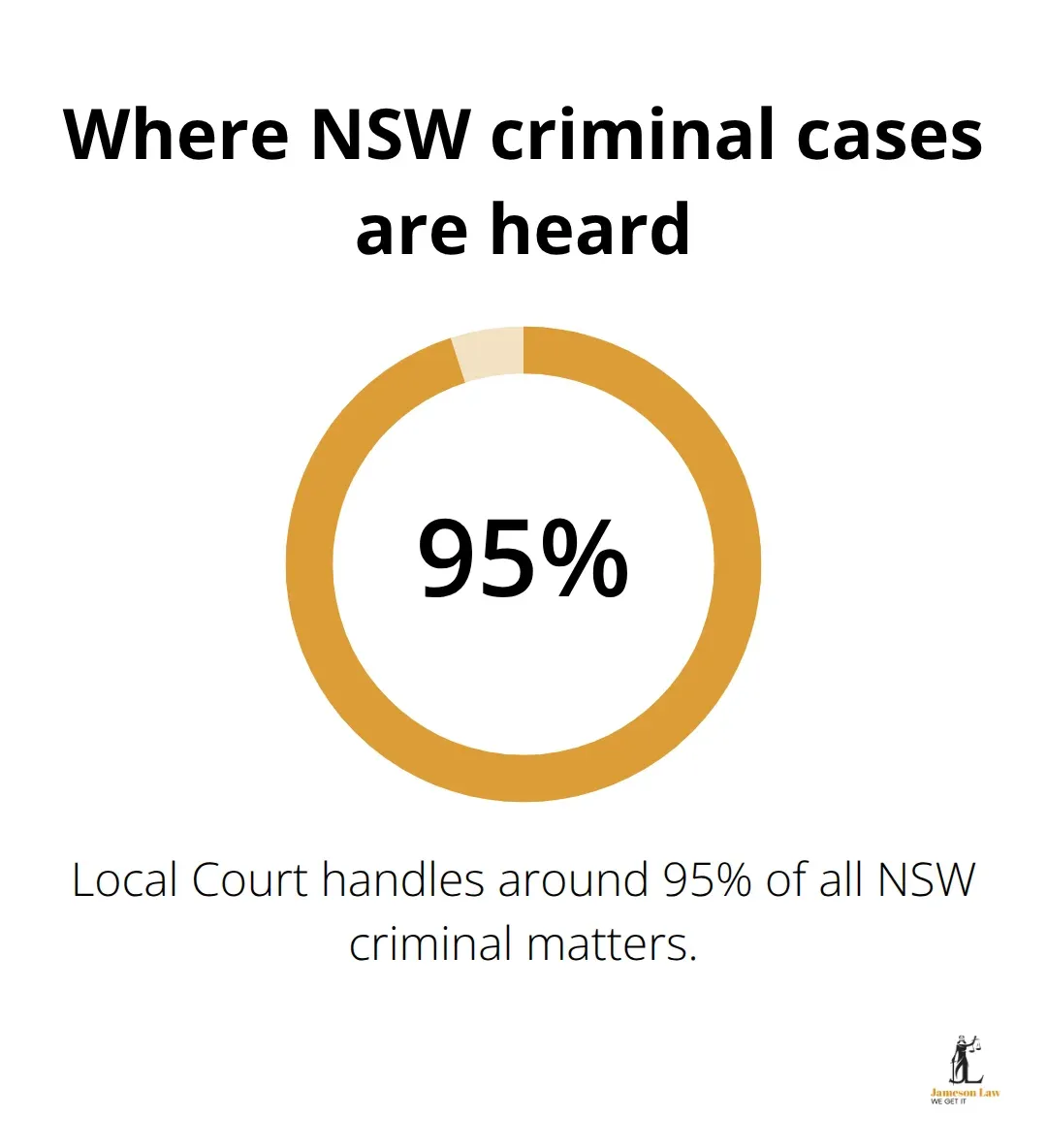
The NSW court system operates on a clear hierarchy, and which court handles your case depends entirely on the offence severity. The Local Court deals with the vast majority of criminal matters-around 95% of all cases according to NSW Courts data-handling everything from minor traffic offences to mid-range indictable offences. Magistrates preside over these courts, which operate across NSW with jurisdiction to hear offences carrying maximum penalties up to five years imprisonment, though they can impose sentences up to two years directly. The District Court sits above the Local Court and handles more serious indictable offences, typically those carrying sentences between five and ten years, and operates in major centres across NSW.
The Supreme Court handles the most serious crimes like murder, sexual assault of an aggravated nature, and armed robbery, and it remains the only court that can impose sentences exceeding ten years or life imprisonment. Which court handles your case matters significantly because the procedures, available defences, and sentencing options differ substantially between levels.
Summary Versus Indictable Offences
The distinction between summary and indictable offences determines your court pathway and affects how quickly your case resolves. Summary offences-minor matters like low-value theft or simple assault-remain in the Local Court and finish there without jury involvement. Indictable offences can proceed in either the Local Court or District Court depending on the prosecution’s election and the offence seriousness. The Local Court offers faster resolution, often within months, while District Court trials take considerably longer due to jury scheduling and more complex procedures. Some offences are strictly indictable, meaning they must go to the District Court or Supreme Court regardless-these serious crimes require jury trials because the community interest demands that level of scrutiny. The Criminal Procedure Act 1986 sets out exactly which offences fall into each category, and the prosecution’s decision about where to proceed significantly impacts your defence strategy and timeline.
How the Supreme Court Operates Differently
The Supreme Court’s exclusive jurisdiction over the most serious crimes reflects the gravity of those offences and the need for the highest level of judicial oversight. Crimes like murder, attempted murder, and terrorism-related offences cannot be heard anywhere else, and these trials often run for weeks or months with comprehensive jury procedures. The Supreme Court also handles appeals from lower courts on questions of law, making it the final arbiter before the Court of Criminal Appeal for procedural fairness issues. This appellate function means even if your case started in the Local or District Court, you might end up in the Supreme Court later if legal errors occurred during your trial. Fewer than 1% of criminal cases reach the Supreme Court for original trial, making it genuinely rare, but understanding its role matters if you’re facing the most serious allegations.
What Happens Next in Your Case
Once the appropriate court is determined, the actual criminal process begins with your initial appearance. The court will address bail considerations, evidence gathering through committal proceedings, and pre-trial directions that shape how your case moves forward. Each stage has specific rules and timelines that vary depending on whether you’re in the Local Court, District Court, or Supreme Court, and these procedural differences affect both your defence options and the overall duration of your case.
The Criminal Court Process from Arrest to Trial
Your First Court Appearance and Bail
Your first appearance in court sets the tone for everything that follows, and how you handle this stage directly affects your case outcome. When you’re arrested, police must bring you before a court within a reasonable time-typically within 24 hours according to Law Society of NSW guidelines. At this initial appearance, the magistrate addresses two critical matters: whether you’ll be released on bail and what conditions might apply.
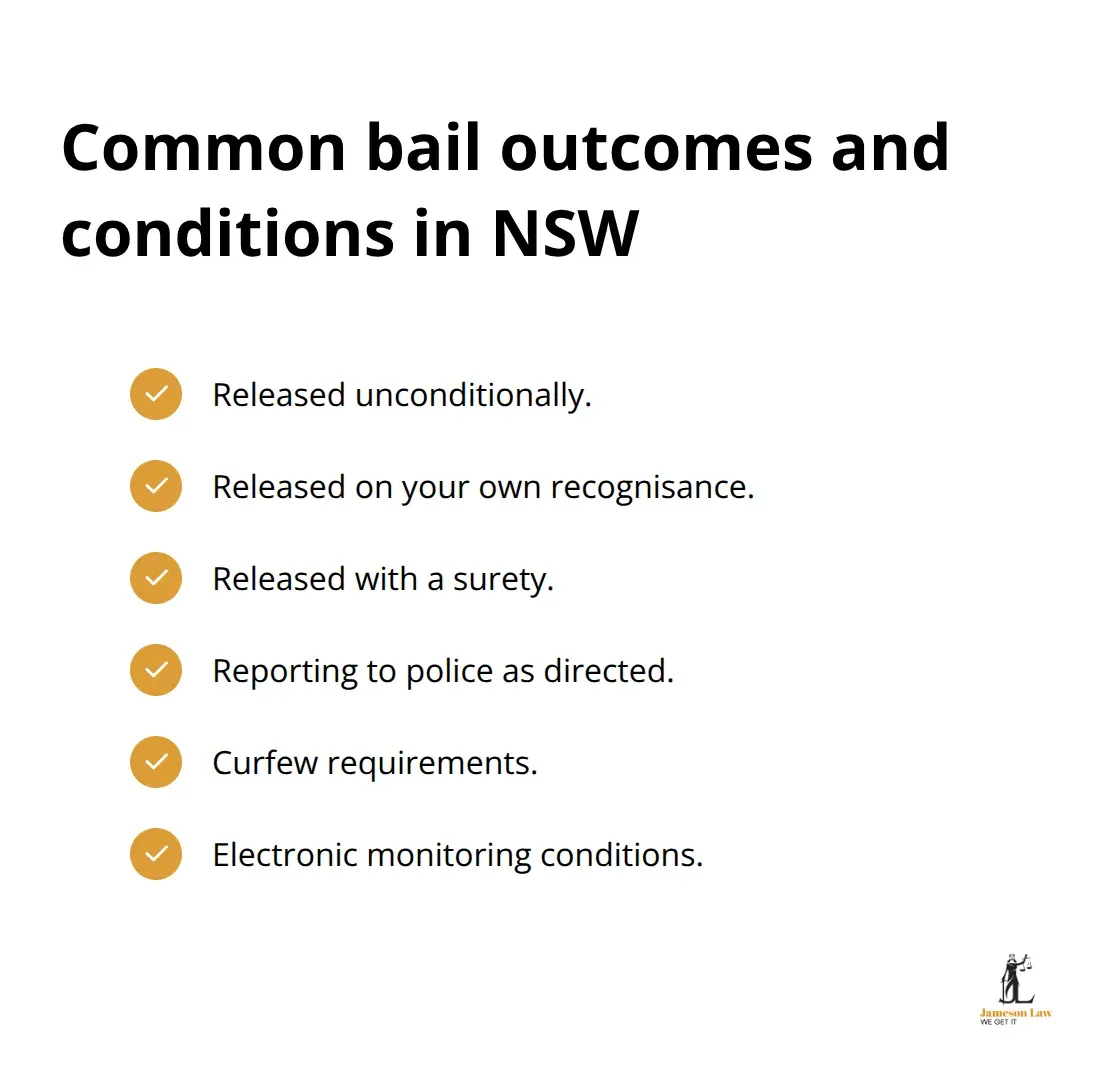
Bail isn’t automatic, and the court weighs factors like your criminal history, ties to the community, employment status, and the seriousness of the charge. You might be released unconditionally, on your own recognisance (a promise to appear), with a surety (someone who guarantees your appearance and puts up security), or with strict conditions like reporting to police, curfews, or electronic monitoring. The bail decision happens quickly-often within hours-so legal representation from the start matters enormously. A lawyer can present evidence of your stability and community ties to the magistrate, significantly improving your chances of favourable bail conditions.
Committal Proceedings: Testing the Prosecution’s Case
Once bail is sorted, your case moves toward committal proceedings if you face an indictable offence in the Local Court. This stage serves a specific purpose: the prosecution must prove there’s enough evidence to justify sending your case to the District Court for trial. The magistrate doesn’t decide guilt or innocence at committal-they simply assess whether a reasonable jury could convict based on the evidence presented.
This means weak prosecution cases can be dismissed at this point, saving you months or years of uncertainty. You have the right to cross-examine prosecution witnesses, and your lawyer can challenge the strength of evidence before it goes further. Many defendants underestimate committal proceedings, viewing them as a formality, but they’re genuinely your first opportunity to test the prosecution’s case and sometimes expose problems that lead to charges being withdrawn. If the magistrate finds insufficient evidence, the matter ends there. If they find sufficient evidence, the case proceeds to the District Court, and you’ll receive a committal notice outlining the charges and court date. A criminal prosecution can be a very lengthy process-it can sometimes take 12 months from the time the accused is charged until the trial begins.
Pre-Trial Directions and Case Management
Pre-trial directions hearings follow committal, and these are where the real case management happens. The District Court judge sets timelines for disclosure of evidence, expert reports, and witness statements, and establishes deadlines for you to notify the court of your plea. These directions exist to keep cases moving and prevent either side from sitting on evidence.
If you plan to plead guilty, this usually happens at a pre-trial directions hearing, and the judge will set a sentencing date. If you contest the charge, the judge will fix a trial date and set a timetable for trial preparation. The judge expects both sides to comply strictly with these directions-failure to do so can result in adverse consequences, like the court proceeding without key evidence or witnesses. This stage typically runs for several months before trial, and it’s where most cases either settle through guilty pleas or firm dates are locked in for contested trials. Understanding these timelines and preparing thoroughly at each stage positions you well for whatever comes next in sentencing or appeal.
Navigating Sentencing and Post-Conviction Options
How Sentencing Works in NSW Courts
Sentencing in NSW courts operates within strict legislative frameworks that magistrates and judges must follow, and understanding how this works prevents unrealistic expectations about outcomes. The Crimes Sentencing Procedure Act 1999 sets mandatory minimum sentences for certain offences like murder and drug trafficking, while the Sentencing Act 2017 requires courts to consider specific aggravating and mitigating factors. Aggravating factors increase sentence length-prior convictions, violence during the offence, or targeting vulnerable victims all push sentences higher. Mitigating factors work the opposite way-early guilty pleas typically reduce sentences by 10 to 25 per cent according to NSW case law, genuine remorse, mental health issues, or strong community ties all count in your favour.
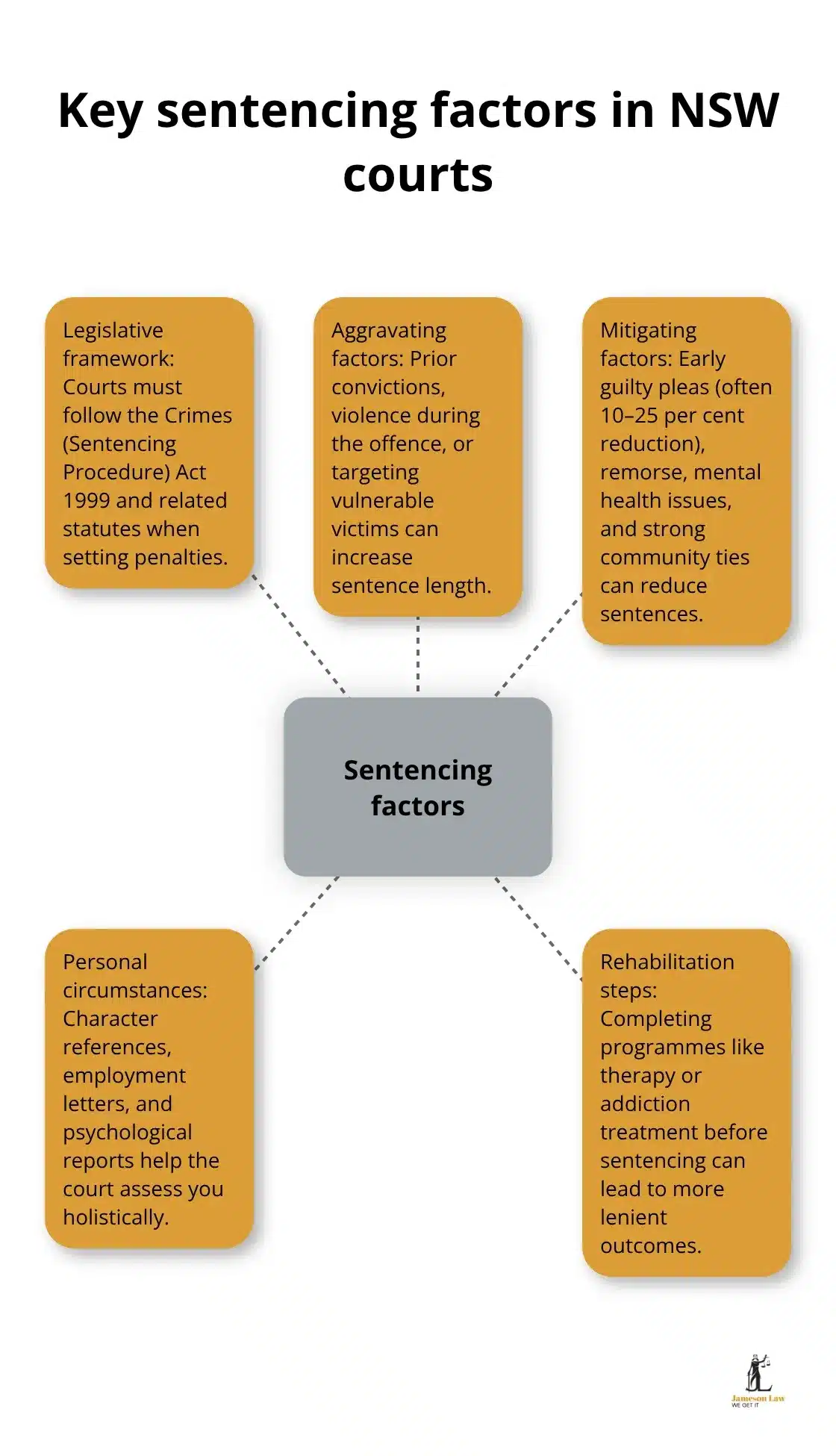
The court must also consider your personal circumstances comprehensively, and this is where detailed evidence matters enormously. Character references, employment letters, psychological reports, and evidence of rehabilitation programmes directly influence the sentence you receive. Many defendants leave sentencing preparation to the last minute, but courts respond far better to defendants who have already started rehabilitation, completed courses, or secured employment before sentencing occurs. Start gathering evidence of positive steps immediately-waiting until court appears dismissive and unconvincing.
Appeal Processes and Grounds for Appeal
Appeals from NSW convictions require specific grounds and tight deadlines that catch many defendants off guard if they don’t understand the process. You cannot appeal simply because you disagree with the verdict or think the sentence is harsh; the Court of Criminal Appeal only hears appeals where legal errors occurred during trial, procedural unfairness happened, or sentences are manifestly excessive. A manifestly excessive sentence means the sentence is so disproportionate to the offence that it falls outside the range a reasonable judge would impose, and this is genuinely difficult to establish.
The appeal must be filed within three months of sentencing according to the Criminal Procedure Act 1986, and missing this deadline bars your appeal entirely unless exceptional circumstances apply. Appeals require detailed written arguments explaining the specific legal errors, and these arguments must reference trial transcripts and case law. The complexity of appeal preparation makes legal representation essential at this stage.
Post-Conviction Relief and Rehabilitation Programs
Post-conviction relief options exist outside the formal appeal system and provide alternative pathways when traditional appeals fail. Applications for judicial review can challenge procedural unfairness, and applications to the Attorney General for a pardon remain available where significant new evidence emerges proving innocence. These mechanisms exist specifically to address cases where the conviction process itself contained fundamental flaws.
Rehabilitation programmes like drug courts, mental health courts, and community-based sentencing options can reduce sentence severity or provide pathways to sentence reduction through demonstrated rehabilitation. NSW courts take rehabilitation seriously, and offenders who engage with programmes like cognitive behavioural therapy, addiction treatment, or employment training often receive significantly more lenient outcomes than those who don’t. These programmes operate across NSW and offer real opportunities to reduce the impact of conviction on your future.
Final Thoughts
The criminal court process NSW follows moves through distinct stages, each with specific rules and timelines that shape your case outcome. From your initial appearance and bail considerations through committal proceedings, pre-trial directions, and ultimately sentencing or appeal, understanding what happens at each step removes uncertainty and helps you prepare properly. A lawyer presents your circumstances persuasively at bail hearings, tests the prosecution’s evidence at committal, negotiates timelines during pre-trial directions, and gathers rehabilitation evidence before sentencing.
Early guilty pleas negotiated by experienced lawyers typically reduce sentences by 10 to 25 per cent, while poor preparation at sentencing can cost you years of freedom. Courts respond to defendants who demonstrate genuine engagement with their case and commitment to rehabilitation, and a lawyer ensures this engagement is visible and compelling. Contact a criminal law firm immediately, even before your first court appearance if possible, and provide complete honesty about your circumstances so your lawyer can assess your options realistically.
We at Jameson Law have guided countless clients through criminal proceedings across NSW and understand the court hierarchy, the procedural requirements at each stage, and how to present your case persuasively to magistrates and judges. Contact Jameson Law for practical advice tailored to your specific circumstances and charges.