


Facing criminal charges in NSW can feel overwhelming, especially when you’re unsure how the court system works. A Sydney criminal defence lawyer plays a vital role in guiding you through each stage of proceedings.
At Jameson Law, we’ve helped countless clients understand their rights and options within NSW courts. This guide breaks down the procedures you’ll encounter and shows you how to build an effective defence strategy.
Which NSW Court Handles Your Case
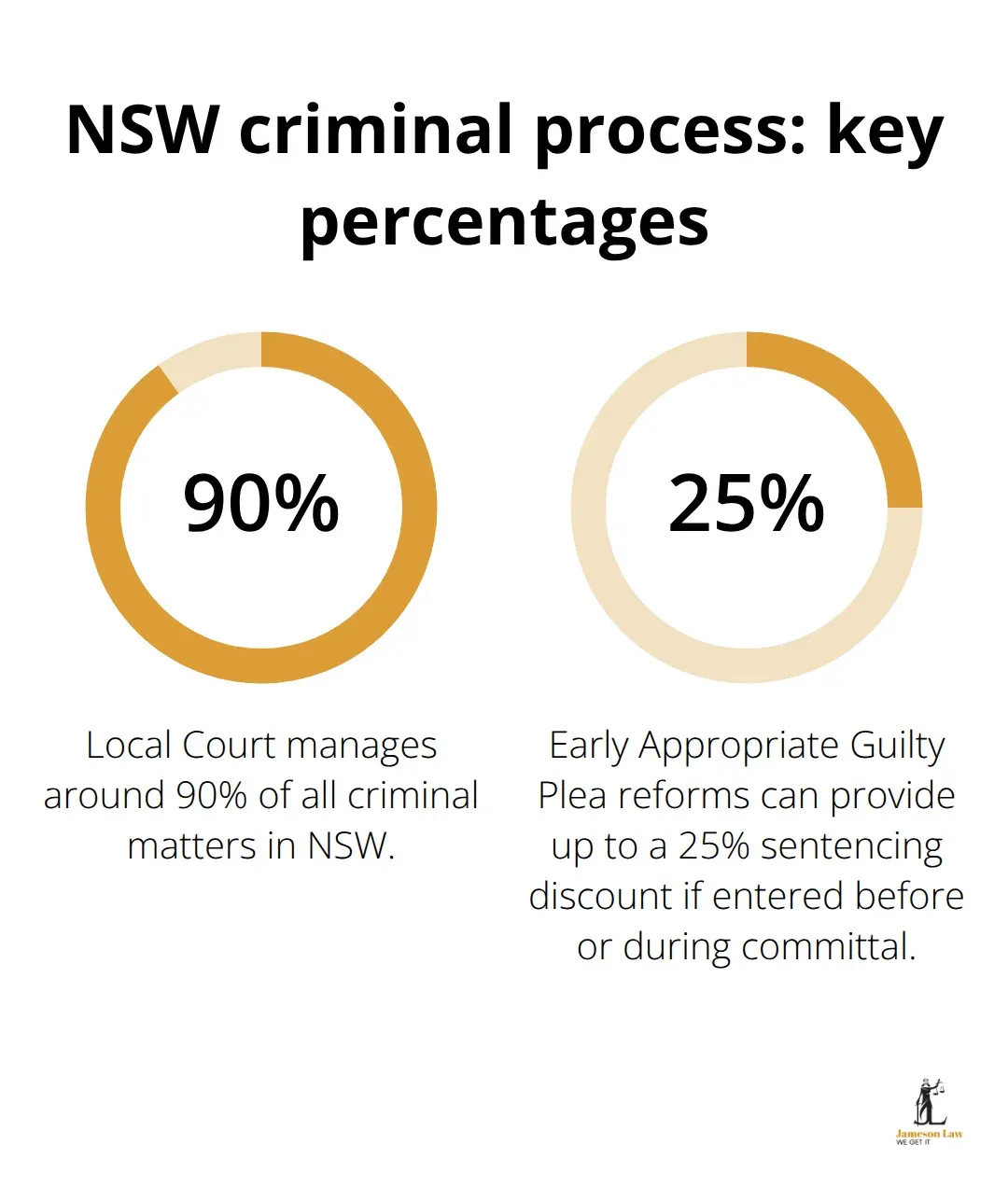
NSW operates three distinct court levels, and understanding which one handles your case shapes what you’ll face throughout proceedings. The Local Court manages around 90% of all criminal matters in NSW, handling summary offences and the initial stages of indictable offences through committal proceedings. The District Court addresses more serious indictable offences, while the Supreme Court handles the most complex cases. The offence category and charge severity determine which court has jurisdiction over your matter. This distinction matters because procedural rules, sentencing powers, and trial structures differ significantly between courts.
A Local Court judge has limited sentencing powers compared to the District Court, which has far greater sentencing powers. Understanding this difference helps you anticipate sentencing ranges if convicted and shapes how your defence strategy should be constructed from the outset.
Moving Between Courts and Committal Proceedings
Indictable offences start in the Local Court, but they don’t remain there. The committal process acts as a gatekeeper that determines whether sufficient evidence exists to send your case to the District Court for trial. During committal, the prosecution presents its evidence and the defence can cross-examine witnesses and challenge the strength of the Crown’s case. If the magistrate finds insufficient evidence, the matter can be dismissed entirely, meaning you avoid trial altogether. This stage is not a formality-weak prosecution cases collapse here regularly. The timing of your plea also matters significantly at this stage. Early Appropriate Guilty Plea reforms in NSW offer substantial sentencing discounts of up to 25% if you enter a plea before or during committal. This creates real leverage for negotiation, but you need experienced legal advice to understand whether pleading early serves your interests or whether challenging the evidence at committal is the stronger position.
District Court Jurisdiction and Serious Offences
The District Court hears the most serious indictable offences, including assault causing grievous bodily harm, sexual assault, robbery, drug trafficking, and fraud matters involving significant sums. These cases proceed to trial before a judge and a jury of 12 people who determine guilt. The Crown must prove guilt beyond reasonable doubt, and the jury’s verdict must be unanimous. District Court trials are substantially more complex than Local Court proceedings (involving detailed evidence management, jury selection, and sophisticated cross-examination strategies). The District Court also has far greater sentencing powers than the Local Court, which directly impacts the practical stakes of your case. A matter that might result in a 12-month sentence in the Local Court could attract several years imprisonment in the District Court for the same conduct, depending on aggravating factors.
Why Early Legal Advice Changes Everything
Decisions made at the Local Court stage about committal strategy and plea timing have profound consequences for your ultimate outcome in the higher court. The difference between challenging evidence at committal versus entering an early plea can mean years of freedom or imprisonment. Your legal team needs to assess the Crown’s case strength, identify weaknesses in witness testimony, and evaluate whether the prosecution can actually prove guilt beyond reasonable doubt. This assessment requires detailed case analysis and courtroom experience. The stakes escalate significantly once your matter reaches the District Court, making the early stages your most valuable opportunity to influence the trajectory of your case.
How Bail, Pleas and Evidence Shape Your Case
Bail Decisions Determine Your Freedom Before Trial
Bail Act 2013 (NSW) decisions happen fast, often within 24 to 72 hours of your arrest, and the outcome directly determines whether you face trial from custody or freedom. Magistrates assess risk factors including the seriousness of the offence, your criminal history, ties to the community, and whether you pose a flight risk or danger to others. This assessment is not automatic approval-bail requires active legal advocacy by your defence team. The prosecution will oppose release in serious matters, presenting evidence about your background and the charge severity. Clients who lose bail hearings often lack compelling legal representation that constructs a narrative about their stability, employment, and community connections. Effective bail advocacy requires detailed preparation: gather character references, employment letters, and evidence of community ties before the hearing. If the magistrate imposes conditions, they typically include reporting to police, residence requirements, no-contact orders with alleged victims, or curfews.
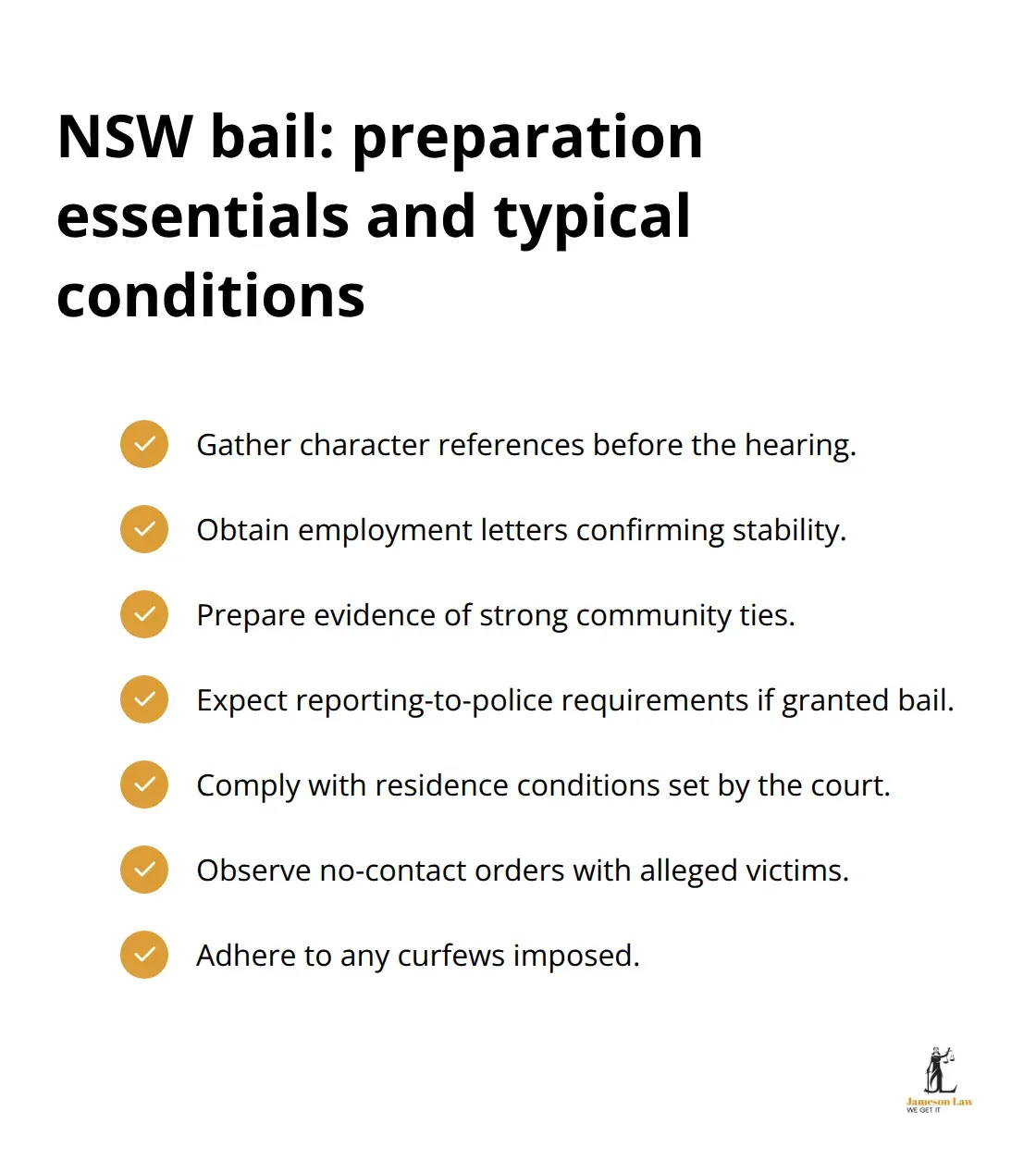
Breaching bail conditions creates separate criminal charges and almost guarantees custody until trial, making compliance non-negotiable.
Timing Your Bail Application Matters
The timing of your bail application affects outcomes significantly. Applying early, before the prosecution builds a detailed case against you, sometimes yields better results than waiting until committal. Early applications allow your legal team to present your circumstances in the most favourable light, before the Crown accumulates damaging evidence or witness statements. The magistrate forms initial impressions at first mention, and those impressions influence subsequent bail decisions. A well-prepared early application demonstrates that you take the process seriously and have already secured employment, housing, and community support. Conversely, delaying your application signals disorganisation and gives the prosecution time to construct a stronger case for detention.
Plea Negotiations and Sentencing Discounts
Plea negotiations occur throughout the criminal process, but the window for maximum sentencing benefit closes quickly. Early guilty pleas offer sentencing discounts if you plead before or during committal, but the discount reduces if you plead during trial. This structure creates genuine pressure to decide early, yet rushing into a guilty plea without thorough case analysis is dangerous. Your legal team must examine the Crown’s evidence critically: Are witness statements reliable or riddled with inconsistencies? Can the prosecution actually prove each element of the offence beyond reasonable doubt? Does the evidence support the charges as laid, or could it support lesser alternatives? Sentencing options range from conditional discharge (no conviction recorded) through fines, community service, intensive correction orders, or imprisonment, and the court considers aggravating and mitigating factors specific to your circumstances.
Evidence Rules Create Defence Opportunities
Evidence rules under the Evidence Act 1995 (NSW) significantly affect what the Crown can actually present at trial. Hearsay evidence is generally inadmissible unless specific exceptions apply, which means certain witness statements may never reach a jury. Expert evidence must meet strict reliability tests, and improperly obtained evidence can be excluded entirely. Understanding these exclusions sometimes reveals that the Crown’s case collapses without particular evidence, creating genuine negotiating leverage. Preliminary challenges to evidence admissibility shift plea negotiations dramatically in the defendant’s favour. Your defence strategy at plea negotiations should focus on identifying the strongest mitigating factors: lack of prior convictions, genuine remorse, employment stability, family responsibilities, or contributions to your community. These factors can meaningfully reduce sentences even in serious matters.
Building Your Mitigation Case
Mitigating factors require evidence and documentation, not just assertions. Gather employment records, character references from employers and community members, evidence of family responsibilities, and documentation of any counselling or rehabilitation you’ve undertaken. Medical or psychological reports that explain underlying causes of your conduct (without excusing it) carry weight with courts. Community contributions-volunteer work, charitable involvement, or support for vulnerable people-demonstrate character beyond the offence. The stronger your mitigation case, the more leverage you hold in plea negotiations and the better your sentencing outcome if convicted. Your legal team must present these factors strategically, connecting them to sentencing principles that courts actually apply. Understanding how courts weigh mitigating factors against the seriousness of your offence shapes realistic expectations about potential outcomes and informs whether early plea negotiations serve your interests or whether contesting the Crown’s evidence at committal offers better prospects.
Building Your Defence Strategy
Assess the Crown’s Evidence First
Effective defence strategies respond directly to the Crown’s specific allegations and the evidence they can actually prove. The foundation of any solid strategy is understanding what the prosecution holds before committing to a course of action. Request the full brief of evidence from the Crown as early as possible, then examine it systematically for weaknesses. Look for inconsistencies between witness statements, gaps in the timeline, or evidence that fails to connect logically to the charges laid.
Witness credibility matters enormously in NSW courts. A witness with a criminal history, a personal grudge against you, or memory problems significantly weakens the Crown’s case. Cross-examination at committal or trial exposes these credibility issues and sometimes leads magistrates or juries to reject evidence entirely.
Gather and Document Your Evidence
Document everything that supports your version of events: text messages, emails, photographs, receipts, or location data that establishes where you were and what you were doing. Contemporaneous records carry far more weight than later recollections. If witnesses can support your account, approach them early and obtain written statements while their memory remains fresh. These statements become evidence at committal and trial, and witnesses who provide statements early are more likely to testify consistently later.
Character witnesses matter too, but only if they speak to specific qualities relevant to your case. A character reference from your employer about your reliability and honesty carries weight in sentencing, but not in contesting guilt of a violent offence. Tailor your character evidence to address the court’s actual concerns about your conduct.
Develop a Compelling Narrative
Your legal team must develop a narrative that competes with the Crown’s account rather than simply attacking isolated pieces of evidence. Juries and magistrates think in stories, not fragmented facts. If the Crown alleges you assaulted someone, your narrative might establish that you acted in self-defence, that the complainant initiated the violence, or that you defended someone else. This narrative must connect logically to the evidence and address what the Crown will present.
During committal, your legal team should cross-examine Crown witnesses strategically rather than exhaustively questioning every detail. Targeted cross-examination that elicits favourable responses or exposes contradictions proves far more effective than marathon questioning that confuses the issues.
Choose Your Trial Approach
At trial, your defence approach might involve calling your own evidence to present your version directly, or it might involve remaining silent while systematically dismantling the Crown’s case through cross-examination. Your legal team assesses which approach suits your circumstances, your credibility as a potential witness, and the strength of the Crown’s evidence.
Throughout proceedings, your solicitor and barrister must communicate constantly about strategy shifts as new evidence emerges or witness credibility changes. A matter that appeared weak for the Crown at first mention might strengthen significantly by committal as the prosecution refines its case. Conversely, a strong-looking Crown case sometimes collapses once cross-examination reveals witness unreliability or contradictions.

Your legal team must remain flexible and reassess your position regularly rather than committing rigidly to an initial strategy. This reassessment directly influences whether you pursue committal challenges, negotiate early guilty pleas, or proceed to trial. The decisions you make at each stage with your legal team compound over time, ultimately determining your freedom or custody, conviction or acquittal, and sentence length if convicted.
Final Thoughts
NSW criminal proceedings move quickly, and the decisions you make in the first weeks after arrest shape everything that follows. Understanding which court handles your case, how bail decisions work, and what evidence the Crown can actually prove gives you realistic perspective on your options. The committal stage acts as your most valuable opportunity to challenge weak prosecution cases before they reach trial, while early guilty pleas offer substantial sentencing discounts if your legal team has thoroughly assessed whether pleading serves your interests.
Building an effective defence requires systematic analysis of the Crown’s evidence, identification of witness credibility problems, and development of a compelling narrative that competes with the prosecution’s account. Your legal team must remain flexible as circumstances change, reassessing your position regularly rather than committing rigidly to an initial strategy (character evidence, mitigating factors, and documentation of your circumstances all influence sentencing outcomes if you’re convicted). Decisions about plea timing, committal strategy, and trial approach compound over time, ultimately determining your freedom, conviction status, and sentence length.
A Sydney criminal defence lawyer who acts early can gather evidence while memories remain fresh, prepare bail applications strategically, and assess the Crown’s case before it hardens. Contact Jameson Law to discuss your circumstances with experienced criminal defence lawyers who understand NSW court procedures and can guide you through each stage of proceedings.