



A personal injury claim can feel overwhelming when you’re recovering from an accident. You need someone who understands NSW law and knows how to build a strong case on your behalf.
At Jameson Law, we’ve helped countless injured Australians secure the compensation they deserve. This guide walks you through what makes a claim successful, how we gather evidence, and what damages you can expect.
What Proves Negligence in Your NSW Claim
The Four Elements You Must Establish
To win a personal injury claim in NSW, you must establish four specific elements under negligence law. The defendant owed you a duty of care, breached that duty through their actions or inactions, and caused your injury as a direct result. The injury itself must not be considered too remote from the breach. The Civil Liability Act 2003 (NSW) sets out this framework, and it forms the foundation of every successful claim. Without proving all four elements, your claim will fail regardless of how serious your injuries are.
Courts take this requirement seriously because it prevents frivolous claims and protects defendants from liability for unforeseeable consequences. Many injured people assume their case is straightforward until they discover that establishing one of these elements requires substantial evidence and expert testimony.
Injuries That Qualify for Compensation
NSW law recognises a broad range of compensable injuries. Workplace accidents, motor vehicle crashes, injuries on public or private property, medical negligence, and institutional abuse all fall within the scope of recoverable claims. The type of injury you sustained directly affects both your liability prospects and the damages you can claim.
How Courts Calculate General Damages
General damages for pain and suffering are capped at $691,000 under NSW law. Courts use an injury value scale from 0 to 100 to determine appropriate amounts within this cap. This structured approach means two people with similar injuries may receive different compensation based on how the court assesses their individual circumstances.
Special Damages Beyond Pain and Suffering
You can claim special damages that extend well beyond pain and suffering. Lost earnings or reduced earning capacity typically reach up to three times average weekly earnings. Medical treatment costs, rehabilitation expenses, and damages for gratuitous services (when someone provides ongoing care) all form part of your recoverable losses.
Why Liability and Damages Are Separate Questions
The distinction between liability and damages matters enormously in NSW claims. You might have a strong liability case but receive minimal compensation if injuries are minor. Conversely, you might face liability disputes despite catastrophic injuries. NSW courts separate these questions deliberately because establishing that someone was negligent is entirely different from calculating what their negligence cost you financially and personally. Understanding this separation helps you prepare realistic expectations as your claim progresses through evidence gathering and negotiation.
Building Your Case: From Evidence to Settlement
Gathering Evidence That Wins Claims
We at Jameson Law know that winning your claim depends entirely on how thoroughly we prepare before negotiations or court proceedings begin. The moment you contact us, we work backwards from the compensation you deserve to identify exactly what evidence proves your case. Most injured people don’t realise that insurance companies have entire teams trained to undervalue claims, and they exploit gaps in documentation ruthlessly.
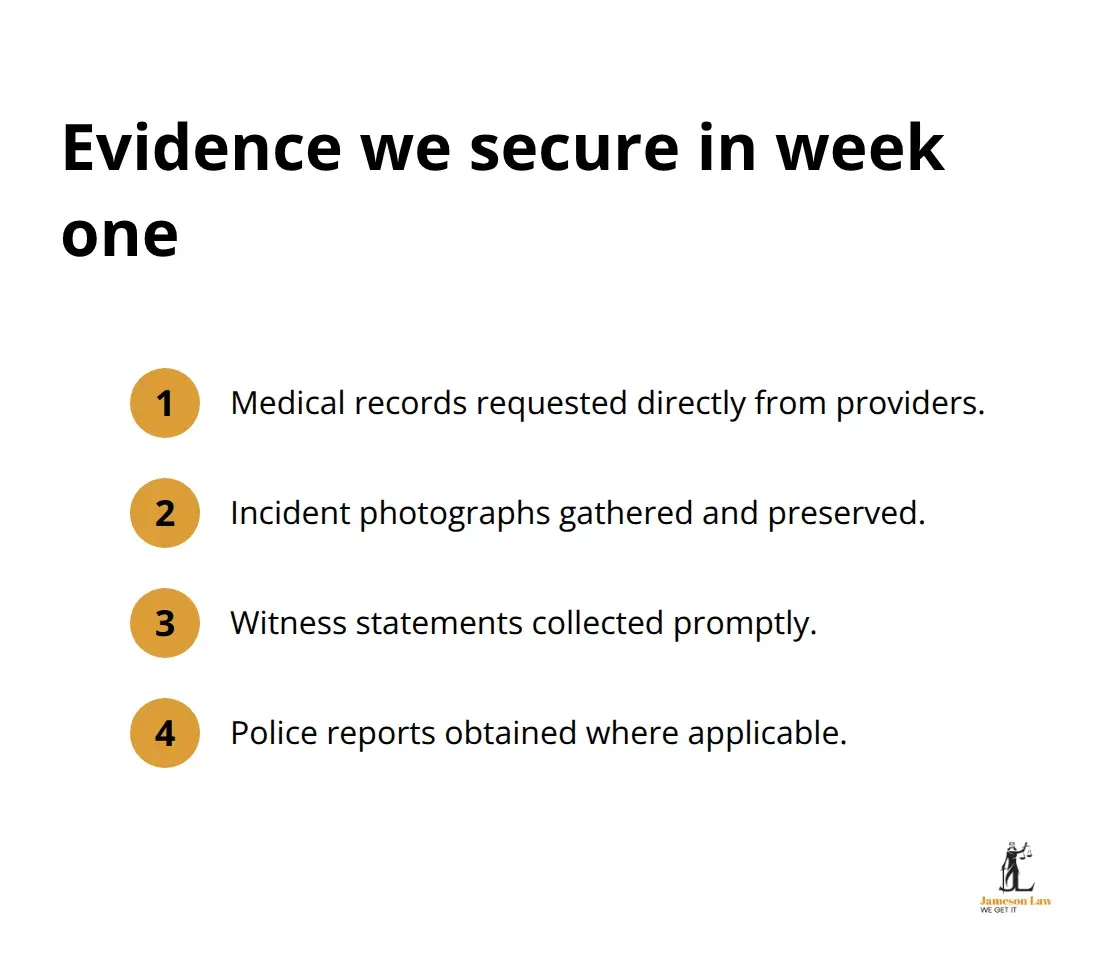
Within the first week, we gather your medical records, obtain incident photographs, collect witness statements, and secure police reports if applicable. We don’t wait for information to arrive slowly-we request it directly from hospitals, employers, and authorities because delays cost you money. This proactive approach separates successful claims from those that stall or settle for far less than they’re worth.
Working With Medical Experts to Quantify Your Injuries
Medical evidence becomes essential when building your case. We work with specialists who can quantify your injuries in ways that satisfy court standards, not just describe them in general terms. A physiotherapist’s report stating you have reduced range of motion means nothing to a court; a medical specialist’s detailed assessment linking specific functional losses to your injury carries enormous weight.
For example, when calculating future earning capacity, courts need expert evidence showing exactly how your injury affects your ability to work, not assumptions about what you might struggle with. We coordinate with these specialists to ensure their reports address the specific questions that courts ask, rather than providing generic medical observations. This targeted approach transforms medical evidence into persuasive proof of your losses.
Negotiating With Insurance Companies
Once evidence is solid, we enter negotiations with insurance companies. This is where most injured people fail without legal representation. Insurance adjusters know that unrepresented claimants often accept offers well below what courts would award. We’ve seen initial settlement offers increase significantly when we present medical evidence and challenge insurer tactics methodically.
We never accept their first offer, and we certainly never accept their timeline. Insurance companies count on you being desperate, tired, and willing to settle quickly. Our negotiation strategy treats each offer as a starting point, not a final position. We present counter-evidence, challenge their damage calculations, and push back against artificial deadlines until we reach fair compensation.
Managing Pre-Court Procedures and Deadlines
If settlement negotiations stall, we prepare for court with the same intensity we’d use if trial was guaranteed tomorrow. The Personal Injuries Proceedings Act 2002 (NSW) requires us to follow specific pre-court procedures including compulsory conferences and joinder of parties within strict timeframes. We manage these deadlines obsessively because missing them can destroy your claim entirely.
A compulsory conference typically occurs after Part 1 Notice, and this conference determines whether your case settles or proceeds to court. We prepare comprehensive court bundles with all evidence organised chronologically, prepare you for questioning, and develop trial strategies that present your losses in the clearest possible way. Court preparation isn’t theoretical-we walk through exactly what questions you’ll face, how opposing counsel will challenge your evidence, and how to communicate your injuries without exaggeration or minimisation.
Understanding Your Compensation Options Ahead
The strength of your evidence directly shapes what compensation you can realistically expect. Different types of damages require different proof, and understanding these categories helps you recognise what your case is actually worth.
Understanding Your Compensation Options
Three Categories of Damages in NSW Law
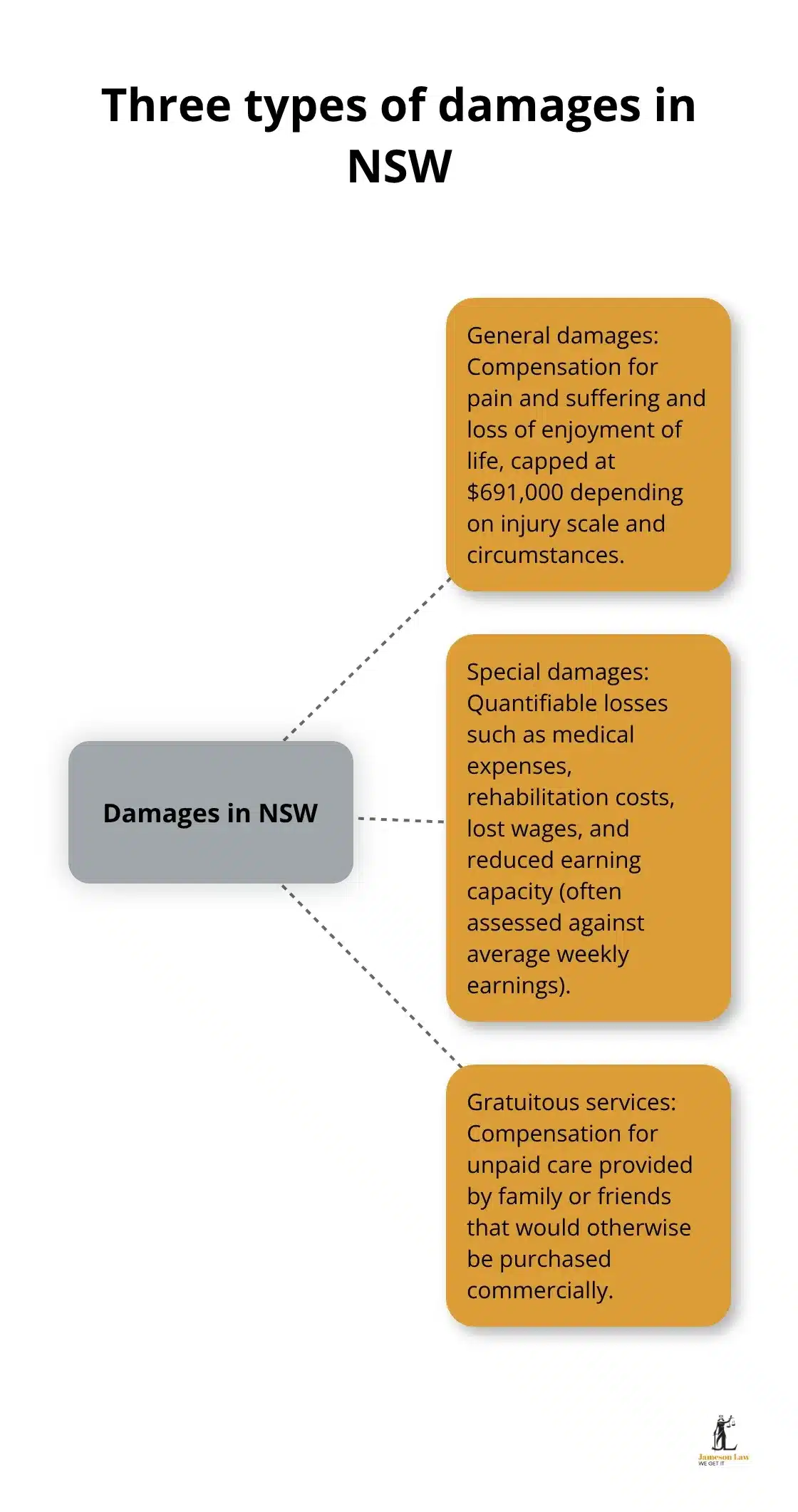
NSW law recognises three distinct categories of damages, and understanding what falls into each one transforms how you approach settlement negotiations. General damages compensate you for pain and suffering, loss of life enjoyment, and the non-financial impact of your injury, capped at $691,000 under the Civil Liability Act 2003. Special damages cover your quantifiable financial losses: medical expenses, rehabilitation costs, lost wages, and reduced earning capacity typically reaching up to three times average weekly earnings. The third category, gratuitous services damages, compensates you when family members or friends provide unpaid care that you would otherwise purchase commercially. Most injured people focus only on general damages and miss substantial special damages claims worth significantly more money.
How Courts Calculate General Damages
Courts apply an injury value scale from 0 to 100 guided by the Civil Liability Regulation 2025, meaning your specific injury classification determines the range within which the court awards compensation. Two people with identical injuries receive different amounts based on factors like age, occupation, and how the injury affects their particular lifestyle. The evidence you present during the claim process directly impacts your compensation outcome. Your injury classification, combined with detailed medical reports and testimony about your life before and after the accident, shapes the court’s assessment of your general damages entitlement.
Quantifying Special Damages With Precise Documentation
Special damages require precise documentation to succeed in court. Medical invoices, payslips showing lost income, and expert reports quantifying future earning capacity losses all form essential evidence. A court will not accept estimates or assumptions about what you might earn in future years; they require specialist evidence demonstrating exactly how your injury reduces your work capacity over specific timeframes. When calculating lost earning capacity, courts consider your age at injury, your career trajectory before the accident, and medical evidence about permanent functional limitations. This targeted approach to documentation separates claims that receive full compensation from those that settle for substantially less.
No Win No Fee Arrangements and Fee Structures
No Win No Fee arrangements remove the financial barrier that prevents many injured Australians from accessing legal representation. However, you should understand exactly how your lawyer’s fee works before instructing them.
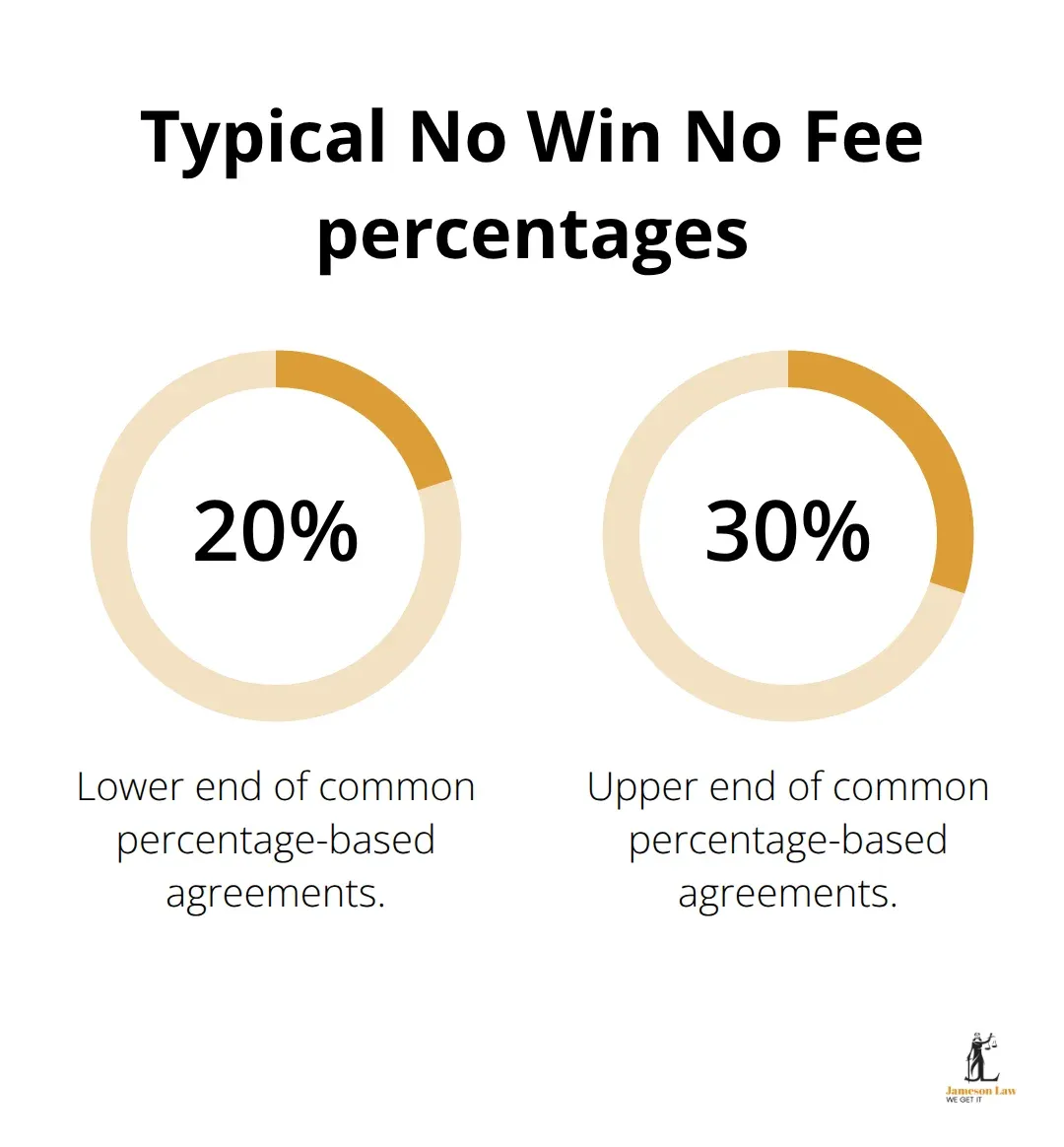
Some firms charge a percentage of your final settlement or judgment, typically ranging from 20 to 30 percent, while others charge fixed fees or hourly rates. The percentage model aligns your lawyer’s interests with yours because they only earn money when you receive compensation, creating genuine incentive to maximise your recovery rather than settle quickly for convenience. This fee structure means you pay nothing unless your claim succeeds, protecting you from legal costs during what is often a financially difficult period.
Calculating What Your Claim Is Worth
The strength of your evidence directly shapes what compensation you can realistically expect. Different types of damages require different proof, and understanding these categories helps you recognise what your case is actually worth. Medical evidence must demonstrate not only that you suffered injury, but that your injury produces specific, measurable losses. Lost wages require documentation of your actual earnings before the accident and expert assessment of your reduced capacity going forward. Pain and suffering claims succeed when medical reports, your own testimony, and evidence of lifestyle changes combine to paint a clear picture of how the injury affects your daily life. Courts award compensation based on what evidence proves, not on what you believe you deserve.
Final Thoughts
Professional legal representation transforms personal injury claims from overwhelming battles into structured processes with clear outcomes. Insurance companies employ teams trained to minimise payouts, statutory deadlines destroy claims when missed, and damage calculations require specialist knowledge that most injured people lack. A Sydney injury lawyer protects you from these pitfalls and secures compensation that reflects what your injuries actually cost.
Contact Jameson Law immediately after your injury because evidence deteriorates, witnesses become harder to locate, and statutory timeframes begin counting from the accident date. We handle personal injury claims on a No Win No Fee basis, so you pay nothing unless your claim succeeds. Our approach focuses on building the strongest possible case rather than rushing toward quick settlements that leave you undercompensated.
We manage every aspect of your case from evidence gathering through negotiation to court preparation if necessary. Contact us by phone or online form, and we’ll respond quickly to discuss your situation and explain what compensation you can realistically expect based on NSW law.