


If you’ve been charged with a serious offence, bail conditions NSW can feel overwhelming. Courts don’t set strict requirements on a whim-they balance your right to freedom with protecting the community.
At Jameson Law, we help clients understand why judges impose tough bail conditions and what options exist. This guide breaks down the key factors courts consider.
How Bail Works in Australian Courts
What Bail Actually Means
Bail in Australia isn’t simply a fee you pay to walk free. The NSW Bail Act 2013 defines bail as the release of a person accused of an offence on the condition they will appear at court when required. When a magistrate or judge grants bail, they’re essentially trusting you to return for your hearing. The court sets conditions to manage risk, not to punish.
How Bail Conditions Vary by Offence Seriousness
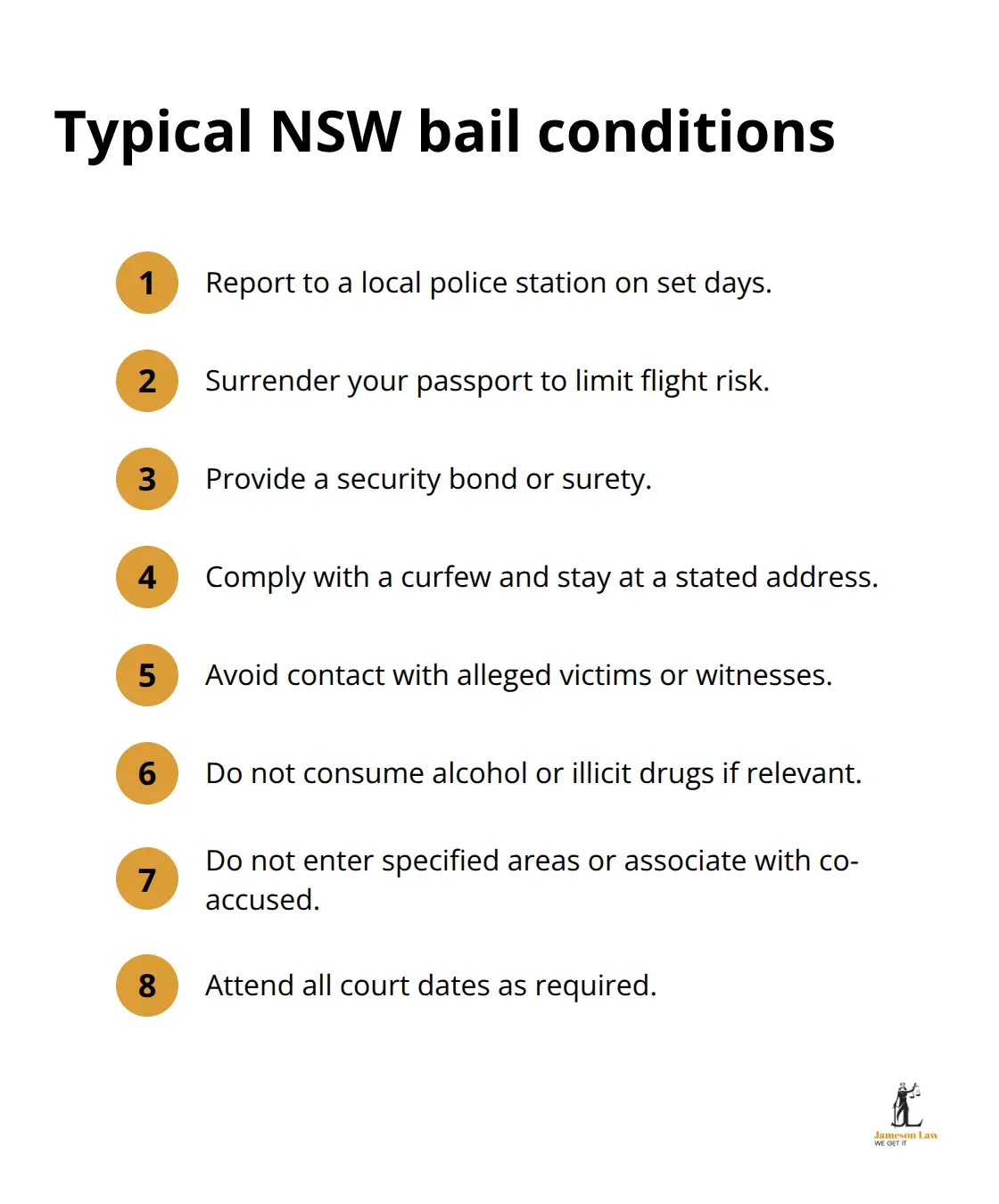
Bail conditions vary dramatically depending on the seriousness of your charge. For a minor traffic matter, you might receive bail with minimal conditions. For serious indictable offences like assault or drug trafficking, courts impose strict requirements such as reporting to police, surrendering your passport, or posting a security bond. These conditions reflect the court’s assessment of how much risk you pose.
Bail Versus Remand: A Critical Distinction
The key difference between bail and remand matters significantly. Remand means you’re held in custody without bail-the court has decided the risks are too high to release you. If you’re remanded, you remain in custody until trial or until you successfully apply to vary the bail decision.
Who Decides Your Bail Conditions
Who decides your bail conditions depends on where you’re charged. Police can grant conditional bail at the station for minor matters under the Bail Act. For more serious offences, a magistrate in the Local Court makes the decision. District and Supreme Court judges handle bail for the most serious crimes. The legislation governing bail-primarily the Bail Act 2013 and the Criminal Procedure Act 1986-gives courts broad discretion to set conditions they believe necessary.
How Courts Apply Bail Principles
Courts don’t operate in a vacuum; they follow established principles, but each case receives individual assessment based on specific circumstances and the defendant’s background. The factors courts weigh when setting conditions determine whether your bail will be restrictive or relatively lenient. Understanding these factors helps explain why serious cases attract such demanding requirements.
Why Courts Impose Strict Bail Requirements
Community Safety Comes First
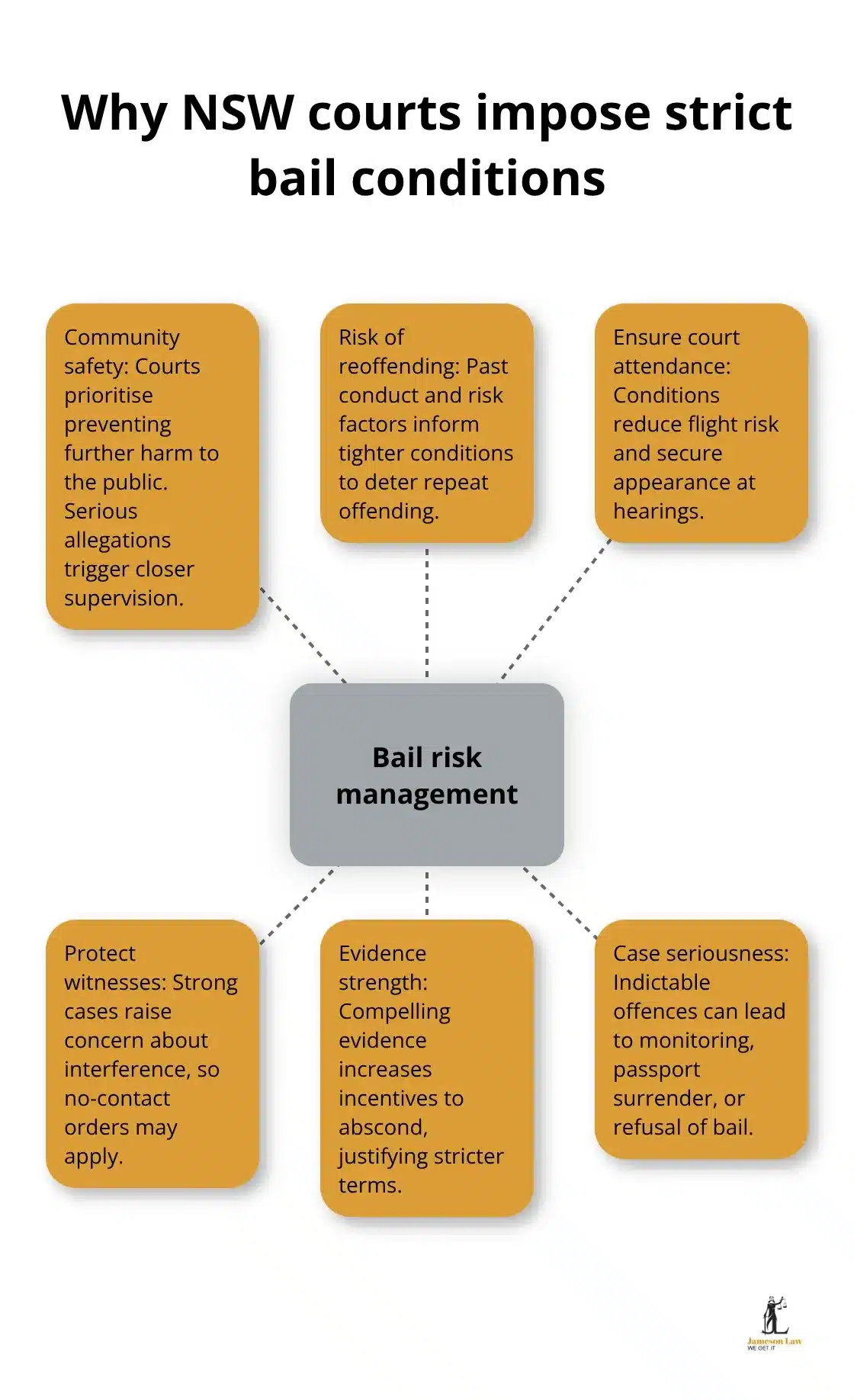
Courts impose strict bail requirements because they manage real risks, not create unnecessary obstacles. The Bail Act 2013 gives judges and magistrates broad discretion to set conditions based on whether you present a danger to the community, whether you’ll reoffend, and whether you’ll appear at trial. These aren’t abstract concerns-they directly affect public safety and court operations. When you’re charged with a serious offence, the court has already assessed enough evidence to believe you may have committed something significant, and that initial assessment shapes how strictly they’ll supervise your release.
The most compelling reason courts tighten bail conditions is protecting the community from further harm. If you’re charged with assault, sexual assault, or drug trafficking, the court recognises your alleged behaviour poses genuine risk to others. NSW courts take this responsibility seriously because the consequences of releasing someone who then commits another serious offence are severe.
Your Criminal History Determines Bail Severity
Your criminal history becomes critical when courts assess bail conditions. If you’ve reoffended after previous bail, courts view you as a repeat risk and impose tougher conditions. They might require you to report to police weekly, restrict your movements to a specific area, or demand you surrender your passport. Courts also examine criminal history and reoffending risk in bail assessment, considering factors like your employment status, substance abuse history, and whether you’ve had stable housing. Someone with stable employment and family ties presents lower risk than someone with unstable circumstances, so conditions reflect that reality.
Evidence Strength and Flight Risk
The prosecution’s case strength matters significantly when courts set bail conditions. If the evidence against you is strong, courts assume you have stronger motivation to flee or interfere with witnesses, justifying stricter conditions like electronic monitoring or refusing bail entirely in the most serious cases. This assessment directly influences what conditions the court will impose and how closely they’ll monitor your compliance. Breaking or breaching these conditions can result in arrest, fines, or imprisonment, so understanding their importance is essential.
Understanding these factors helps explain why serious cases attract demanding requirements. The next section examines the specific circumstances courts weigh when determining whether your bail will be restrictive or relatively lenient.
Factors Courts Weigh When Setting Your Bail Terms
The Prosecution’s Case Strength
Magistrates and judges assess bail by examining your specific circumstances and weighing multiple factors that directly determine whether you’ll face strict conditions or more lenient terms. The prosecution’s case strength sits at the centre of this assessment. If the evidence against you is compelling, courts recognise you have genuine motivation to disappear or tamper with witnesses, and they respond with electronic monitoring, passport surrender, or refusal of bail entirely. Weak prosecution evidence sometimes leads courts to impose lighter conditions because the risk profile shifts.
Your Community Ties and Stability
Your ties to the community matter enormously in practice. Employment history, property ownership, family responsibilities, and length of residence in NSW all signal stability. Someone who has worked at the same company for five years and owns a home presents substantially lower flight risk than someone with unstable housing and irregular employment. Courts scrutinise these details because they predict behaviour.
Previous Breaches and Court Compliance
If you have breached court orders previously, magistrates and judges assume you will breach again, and they tighten conditions accordingly. A history of ignoring bail conditions, failing to appear at court, or violating apprehended violence orders signals to courts that you cannot be trusted, triggering restrictions like weekly police reporting or house arrest conditions. This pattern of non-compliance becomes a powerful indicator of future behaviour.
Reoffending Risk and Support Networks
Your likelihood of further criminal activity shapes bail severity directly. Courts examine substance abuse history, mental health support networks, and whether you associate with people involved in crime. If you are charged with drug trafficking and have prior convictions for similar offences, courts will impose conditions designed to restrict your movement and monitor your activities closely. The assessment is preventative, not punitive. NSW courts increasingly recognise that supportive relationships reduce reoffending risk, so demonstrating family involvement or community support genuinely influences bail outcomes. A guarantor who agrees to supervise your release and forfeit money if you breach can significantly soften conditions. Your age, education level, and whether you have people willing to supervise your release all factor into this evaluation.
The Strength of Your Defence
The strength of your defence matters too, though less obviously. If your solicitor can present credible evidence suggesting innocence, courts sometimes view you as lower risk because they doubt you will flee if acquittal seems likely. These factors combine to create your unique bail profile, and understanding them helps you prepare realistic expectations before court.
Final Thoughts
Strict bail conditions NSW exist because courts must balance competing obligations-they protect the community from genuine harm, they require defendants to appear at trial, and they maintain public confidence in the justice system. These conditions are not arbitrary restrictions imposed to punish you before conviction; they are risk management tools based on evidence, your circumstances, and established legal principles. Courts assess each case individually, so your criminal history, employment stability, community ties, and the strength of the prosecution’s case all shape what conditions you will face.
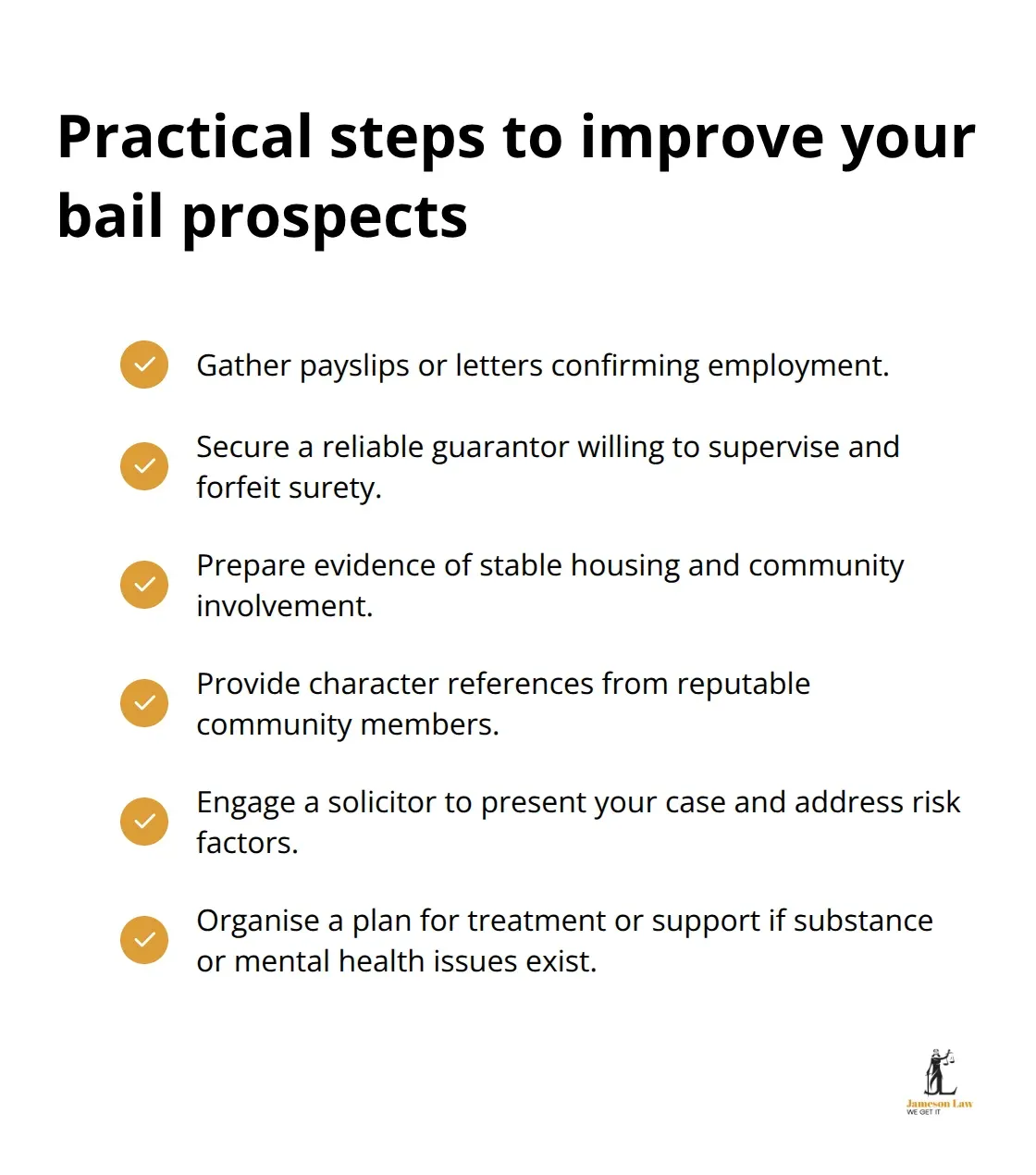
You can strengthen your position at a bail hearing by gathering evidence of employment, securing a guarantor willing to supervise your release, and demonstrating genuine community connections. These practical steps show the court you present lower risk and deserve more lenient conditions. The process involves complex legal arguments about risk assessment and your rights, so professional legal advice makes a real difference in the outcome.
We at Jameson Law have extensive experience helping clients navigate bail hearings and negotiate conditions that are fair and manageable. Contact us to discuss your situation and explore your options.