

A personal injury claim can feel overwhelming when you’re dealing with pain, medical bills, and lost income. We at Jameson Law understand that navigating the personal injury claim process requires clear steps and practical guidance.
This guide walks you through each stage, from gathering evidence to negotiating settlements or taking your case to court. You’ll learn what to expect and how to protect your rights along the way.
Building Your Foundation: What You Need to Do First
The first 48 hours after an injury matter most. Most people waste this time focusing on pain management when they should document everything that happened. Start by photographing the scene immediately if you’re physically able. Capture the location, hazards, weather conditions, lighting, and anything else that contributed to your injury. If you sustained injury on a business property or public space, request an incident report from the property owner or manager the same day.
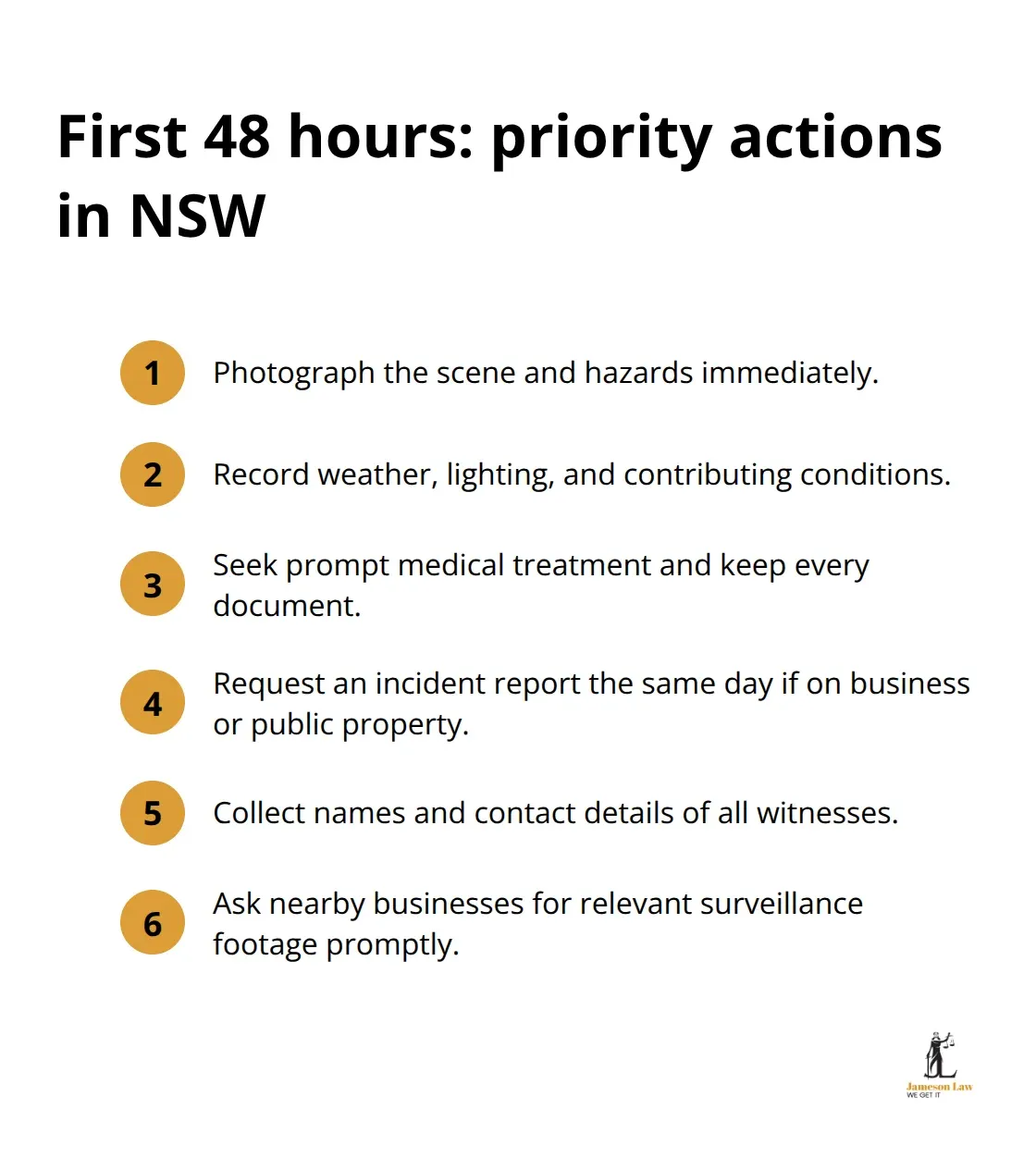
This creates an official record with timestamps and details that will strengthen your claim later.
Medical records become your most valuable asset. Seek treatment promptly and keep copies of every document, invoice, and prescription. The NSW Courts expect comprehensive documentation, and delays in seeking medical care can suggest your injuries weren’t serious-a tactic insurers use against you.
Collecting Witness Statements and Surveillance Evidence
Witness statements carry significant weight in NSW personal injury claims. Collect names and contact details from everyone who saw what happened, and ask them to write down what they observed while their memory remains sharp. Request any surveillance footage from nearby cameras within days of the incident, as businesses often delete recordings after 30 days.
Document all communications with the responsible party or their insurer in writing, whether via email or letter. If someone contacts you verbally, follow up with a written summary of what was discussed and send it to them for confirmation. This creates an undeniable record that courts recognise as reliable evidence.
Photographing Your Injuries Over Time
Take photographs of your injuries as they heal, showing the progression over weeks. Courts in NSW recognise that visual evidence of swelling, bruising, and scarring demonstrates severity in ways written descriptions cannot. Keep a detailed diary recording your daily pain levels, limitations, and how the injury affects your work and personal life. This subjective evidence, when supported by medical records, helps establish damages for pain and suffering.
Obtaining Medical Reports and Professional Assessments
Your general practitioner serves as your starting point, but you’ll need specialist assessments depending on your injury type. For fractures or structural damage, orthopaedic surgeons provide detailed reports that NSW courts rely on. For soft tissue injuries, physiotherapy assessments document functional limitations.
Request your medical practitioners provide written reports addressing your prognosis, expected recovery timeframe, and any permanent limitations. These reports become essential when negotiating with insurers or presenting your case to court. Don’t assume your GP will provide this level of detail without asking. Provide your doctor with specific questions: What restrictions do you recommend? When can you return to work? Will this injury cause lasting effects? Get these answers documented in writing.
Documenting Lost Income and Work Impact
If your injury affects your ability to work, obtain a certificate from your employer detailing the dates you were absent and any income loss. NSW courts calculate economic damages based on concrete evidence of lost earnings, not estimates. This documentation (combined with your medical reports) forms the foundation for your damages claim and moves you toward the next critical stage: notifying the responsible party and their insurer of your intention to pursue compensation.
Negotiating a Settlement
Understanding Your Claim Value
Settlement negotiations in NSW personal injury claims fail when claimants don’t understand their claim’s true value. Most people anchor to medical bills alone, but NSW courts calculate damages across multiple categories that insurers know you’ll miss if you’re not careful. Economic damages cover medical expenses, lost wages, and ongoing care costs. The average Australian worker earns around $65,000 annually, which means a six-month recovery period costs approximately $32,500 in lost income alone. Non-economic damages address pain and suffering, loss of enjoyment of life, and psychological impact. NSW courts apply the Guidelines for the Assessment of General Damages in Personal Injury Cases, which provides a framework for quantifying these intangible losses. For example, a minor soft tissue injury might attract $5,000 to $15,000 in general damages, while a serious fracture requiring surgery could reach $50,000 to $100,000 depending on recovery timeframe and permanent effects.
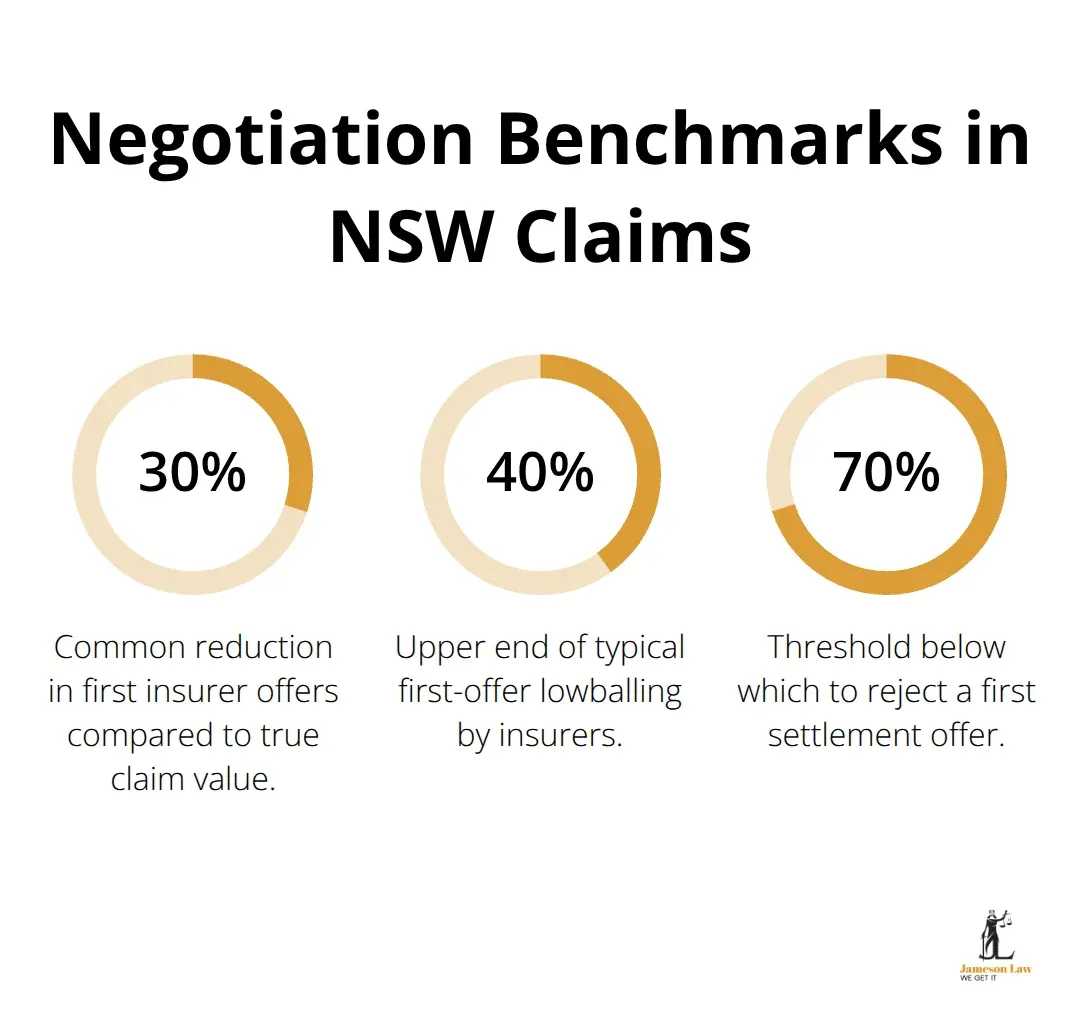
Gather your medical reports, employment records, and therapy invoices, then cross-reference them against recent NSW case law involving similar injuries. The Injury journal publishes trauma research with a 2024 CiteScore of 4.2 and contains epidemiological data showing that road traffic injuries and workplace accidents follow predictable recovery patterns. Insurers rely on claimants not knowing these benchmarks, so they’ll lowball their first offer by 30 to 40 percent. Calculate your total economic losses precisely, add a reasonable multiplier for non-economic damages based on injury severity and recovery duration, then add 20 percent as your negotiating buffer.
This gives you a defensible starting position when the insurer responds.
Responding to Settlement Offers
When an insurer makes their first settlement offer, reject it immediately if it falls below 70 percent of your calculated claim value. This isn’t negotiation theatre. Insurers expect you to reject lowball offers because experienced claimants always do. Their opening position tests whether you understand your claim’s worth. Respond in writing within 14 days, setting out your counter-offer with supporting documentation: medical reports, wage loss certificates, receipts for treatment costs, and references to comparable NSW cases.
Don’t accept an offer that requires you to sign a release agreeing never to claim for future complications from the same injury. Soft tissue injuries often develop into chronic pain or psychological conditions months after the incident, and you’ll have no recourse if you’ve already settled. Negotiate for a structured settlement if the claim exceeds $250,000, which allows you to receive funds in staged payments rather than a lump sum, potentially reducing tax implications and protecting you from poor financial decisions during recovery.
When to Accept or Reject an Offer
If the insurer refuses to move beyond their second offer and you’ve documented everything properly, you’re in a stronger position to proceed to court because you’ve demonstrated good faith negotiation attempts, which NSW judges view favourably when assessing costs orders. Your next decision point arrives when you must choose between accepting a settlement or pursuing litigation through the courts.
Taking Your Claim to Court
Filing a Statement of Claim in NSW requires precision because procedural errors can derail your entire case. The Statement of Claim is a formal document that sets out your allegations, the facts supporting your claim, and the damages you’re seeking. You’ll lodge it with the NSW District Court if your claim exceeds $100,000, or the Local Court for smaller claims. The document must identify the defendant clearly, describe the incident in detail, explain how their negligence caused your injury, and quantify your losses across economic and non-economic categories. Courts in NSW are strict about pleading requirements, meaning vague or poorly drafted statements get struck out, forcing you to start again and wasting months. A lawyer experienced with personal injury litigation protects you at this stage because self-representation typically costs you 15 to 25 percent of your final award through procedural mistakes and undervalued claims. When you file, you’ll pay the court filing fee (approximately $200 to $600 depending on claim value) and serve the defendant’s legal representatives within 12 months. The defendant then has 28 days to file a Defence, which is when the real dispute begins and you’ll discover whether they’re contesting liability, your injury severity, or both.
Managing Discovery and Evidence Exchange
Discovery and evidence exchange happens over the following months and forms the backbone of your case strength. Both sides must exchange all relevant documents, including medical records, photographs, witness statements, employment records, and any communications about the incident. Discovery under the NSW Civil Procedure Rules is mandatory, and failing to disclose documents can result in court sanctions or dismissal of your claim. You’ll request the defendant’s surveillance footage, incident reports, maintenance records, and any prior complaints about similar hazards on their property. If they refuse or claim documents don’t exist, your lawyer can apply to court for an order compelling production.
Preparing Medical Evidence and Expert Reports
Medical evidence becomes your primary battleground because the defendant will instruct their own medical experts to examine you and challenge your treating doctors’ assessments. You’ll expect this independent medical examination to occur 6 to 12 months after filing, and you should prepare for it by having your own medical practitioners review the defendant’s experts’ reports in advance. The defendant’s experts often downplay injury severity or recovery timeframes, so your medical team must respond with detailed counter-reports referencing current research on trauma outcomes.
Attempting Mediation Before Trial
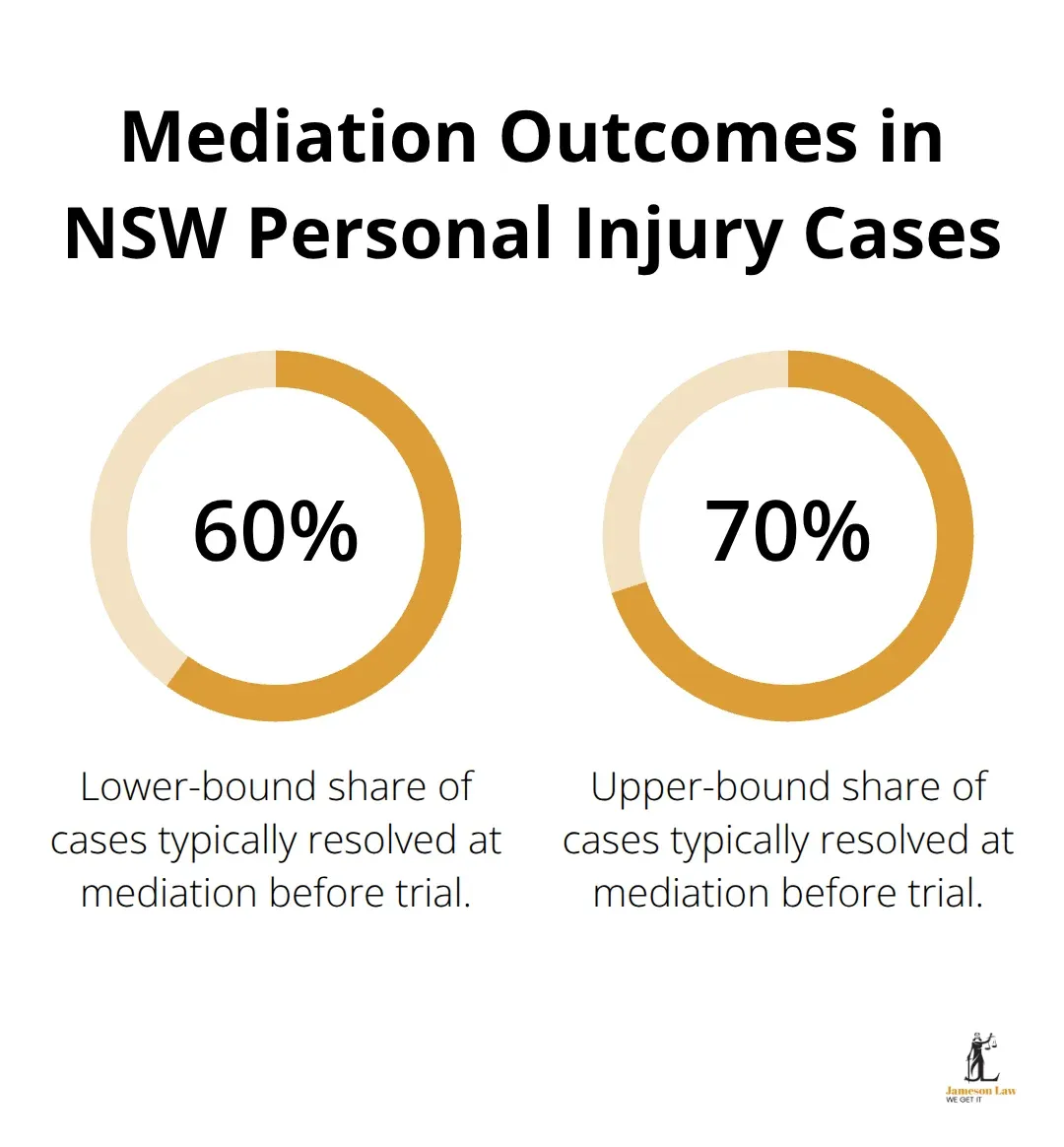
Once discovery closes, both sides typically attempt mediation, a structured negotiation process conducted by a neutral third party that resolves approximately 60 to 70 percent of cases before trial. Mediation gives you another opportunity to settle without the expense and uncertainty of court proceedings.
If mediation fails, you move toward trial preparation where your lawyer will prepare you for cross-examination, ensure all witnesses are available, and confirm that every piece of evidence supports your narrative clearly and persuasively.
Final Thoughts
The personal injury claim process in NSW demands attention to detail at every stage, from the first 48 hours after your injury through to settlement or trial. Evidence gathering, medical documentation, and strategic negotiation form the foundation of a successful claim. The difference between receiving fair compensation and accepting a lowball offer often comes down to whether you understand your claim’s true value and refuse to settle for less.
Most people underestimate their damages because they focus only on medical bills and lost wages. NSW courts recognise that serious injuries create lasting impacts on your quality of life, your ability to work, and your psychological wellbeing. Insurers count on claimants not knowing that non-economic losses deserve compensation. You position yourself to negotiate from a position of strength rather than desperation when you follow the steps outlined in this guide.
The decision to pursue settlement or litigation depends on whether the defendant’s insurer recognises the strength of your case. If they do, settlement negotiations will move toward your calculated claim value. If they don’t, court proceedings become necessary, and this is where professional legal representation becomes invaluable. Contact Jameson Law for a confidential discussion about your personal injury claim process and take control of your matter today.