


Facing criminal charges in NSW can feel overwhelming, but understanding the court process gives you a real advantage. We at Jameson Law have guided countless clients through every stage, from first appearance through to final outcomes.
This guide walks you through the key steps in defending criminal charges NSW, the decisions you’ll face, and how to build an effective defence strategy. Knowing what happens at each stage helps you make informed choices about your case in 2026.
What Happens When You’re Charged With a Crime in NSW
Types of Criminal Offences
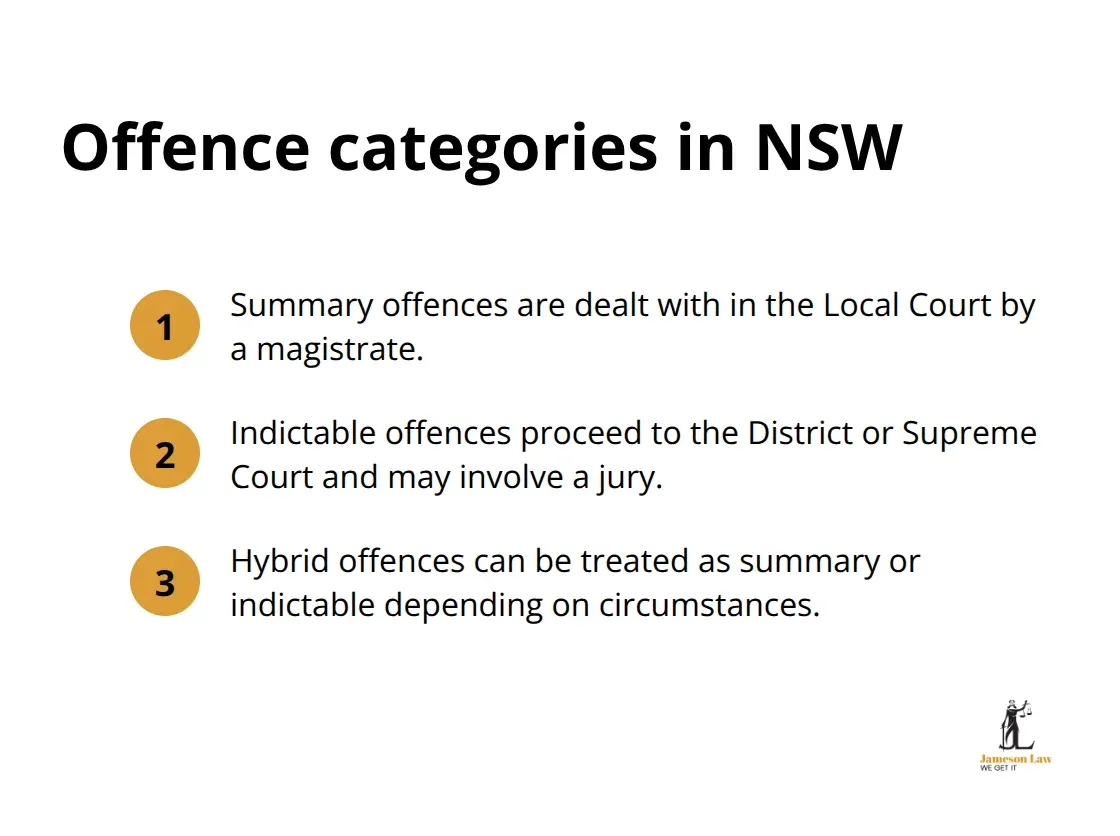
Criminal charges in New South Wales fall into distinct categories that determine where your case will be heard and how serious the potential consequences are. Choosing the right legal pathway depends directly on this jurisdictional split:
| Offence Category | Typical Examples | Court Jurisdiction | Trial Format |
|---|---|---|---|
| Summary Offences | Common assault, minor driving offences, simple possession. | Local Court | Magistrate only (No Jury) |
| Indictable Offences | Sexual assault, commercial drug supply, manslaughter. | District Court / Supreme Court | Judge & Jury |
| Hybrid Offences | Assault occasioning actual bodily harm, stalk/intimidate. | Local Court (usually) or District Court | Depends on election by Crown or Accused. |
Understanding which category applies to your charges matters enormously because it shapes everything from the court venue to the maximum penalties you face. The distinction also affects whether you will encounter committal proceedings, which are preliminary framework reviews used to determine if serious indictable matters are ready to proceed to a higher court.
Your Rights When Police Arrest You
Once NSW Police charge you, they must follow strict legal procedures designed to safeguard individual liberties. Your core protections include:
- The Right to Remain Silent: You do not have to answer police questions during an interview. Exercising this right is fundamental to protecting your position.
- Access to Legal Counsel: Authorities must allow you a reasonable opportunity to contact a lawyer or legal representative before any formal questioning begins.
- Fair Notification: Police must clearly explain the exact offences you are being accused of and the reasons for your detention.
If you require immediate support, you can contact Legal Aid NSW or LawAccess NSW to evaluate your legal options before your first court appearance. This early step can significantly alter how your case develops.
The Police Brief of Evidence
The police brief of evidence—the formal collection of statements, witness accounts, forensic results, and exhibits—becomes the centerpiece of your strategy once a plea of not guilty is entered.
Reviewing this brief thoroughly allows your expert criminal lawyer to identify material gaps or inconsistencies in the prosecution’s narrative, forming the structural foundation of your case.
Moving Through Your First Court Appearances
Bail Decisions at First Appearance
Your first appearance in the Local Court registry occurs shortly after being formally processed, and locking in your liberty via a bail application is your immediate priority. The magistrate will determine whether you should be released unconditionally, held in custody, or released subject to strict supervision rules.
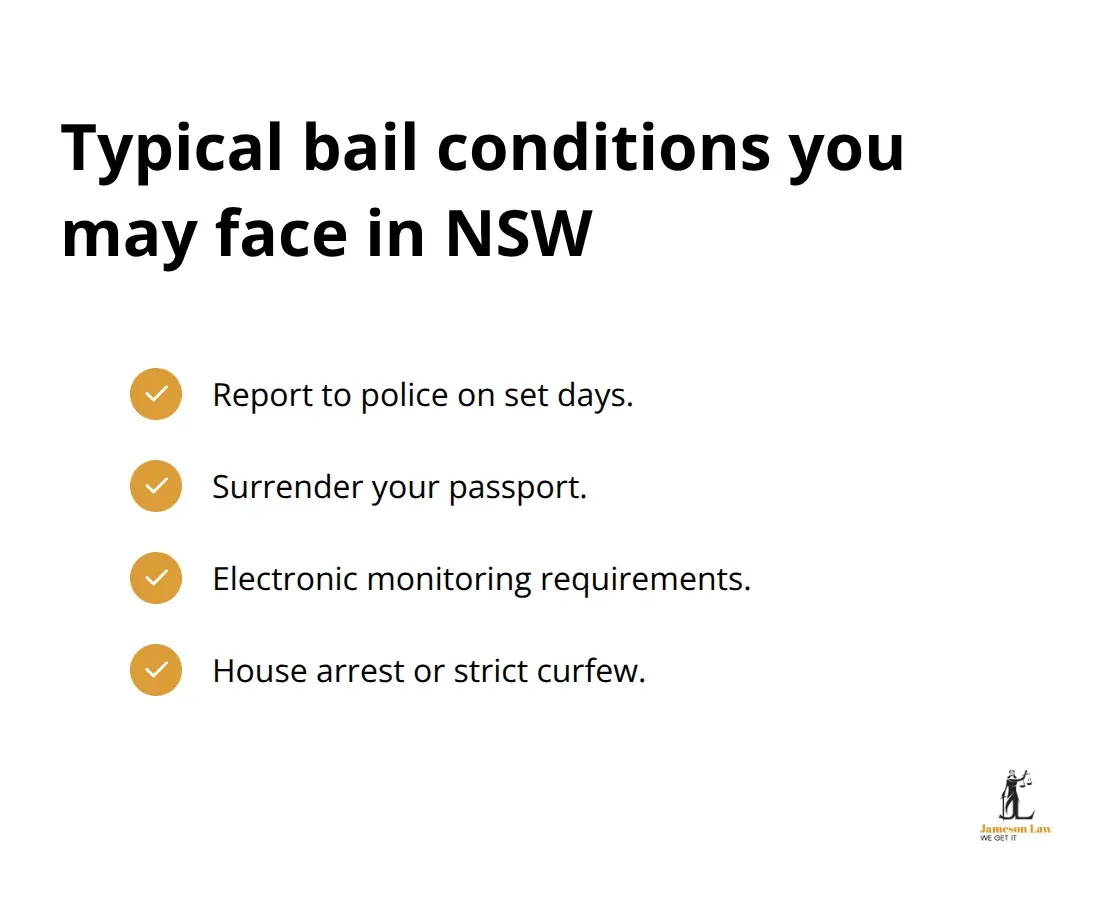
Under the statutory framework of the Bail Act 2013 (NSW), bail decisions made at first appearance carry immense weight. Conditions can range from regular police reporting and surrendering travel documents to more restrictive mandates like electronic monitoring or house arrest. Securing highly experienced representation for this initial hearing is vital to preventing an unfavorable custody outcome.
Confirming Your Court Details
Failing to attend a mandatory listing results in an automatic warrant for your arrest. You can securely track your required listings, locations, and upcoming appearance dates via the NSW Online Registry portal to avoid missing critical dates specified on your Court Attendance Notice (CAN).
Reviewing the Brief of Evidence
If you enter a formal plea of not guilty, the magistrate will set a standard timetable for the prosecution to compile and serve the complete brief of evidence, typically within four weeks. Gaps in witness statements or contradictions in police body-worn video logs become your primary tools for negotiating a withdrawal of charges or preparing for a defended hearing.
Building Your Defence Strategy
The moment a not guilty plea is entered, your approach must shift from reactive to proactive. The subsequent weeks leading up to the formal reply date represent the most critical preparation window in your entire matter.
Methodical Case Preparation Steps
- Document a Personal Timeline: Write down an exhaustive, chronological account of the events while your memory is completely fresh. Note times, locations, and exact interactions.
- Audit the Prosecution’s File: Review every statement and forensic exhibit line by line. If material documents are missing, your lawyer will formally demand service before the reply date to prevent the late introduction of surprise evidence.
- Gather Independent Exculpatory Evidence: Actively preserve private CCTV footage, phone logs, receipts, or bank transactions that corroborate your location or version of events.
- Secure Witness Commitments: Identify individuals who can support your case. If a critical witness is reluctant to attend voluntarily, your legal team can request the court issue a binding subpoena to compel their attendance.
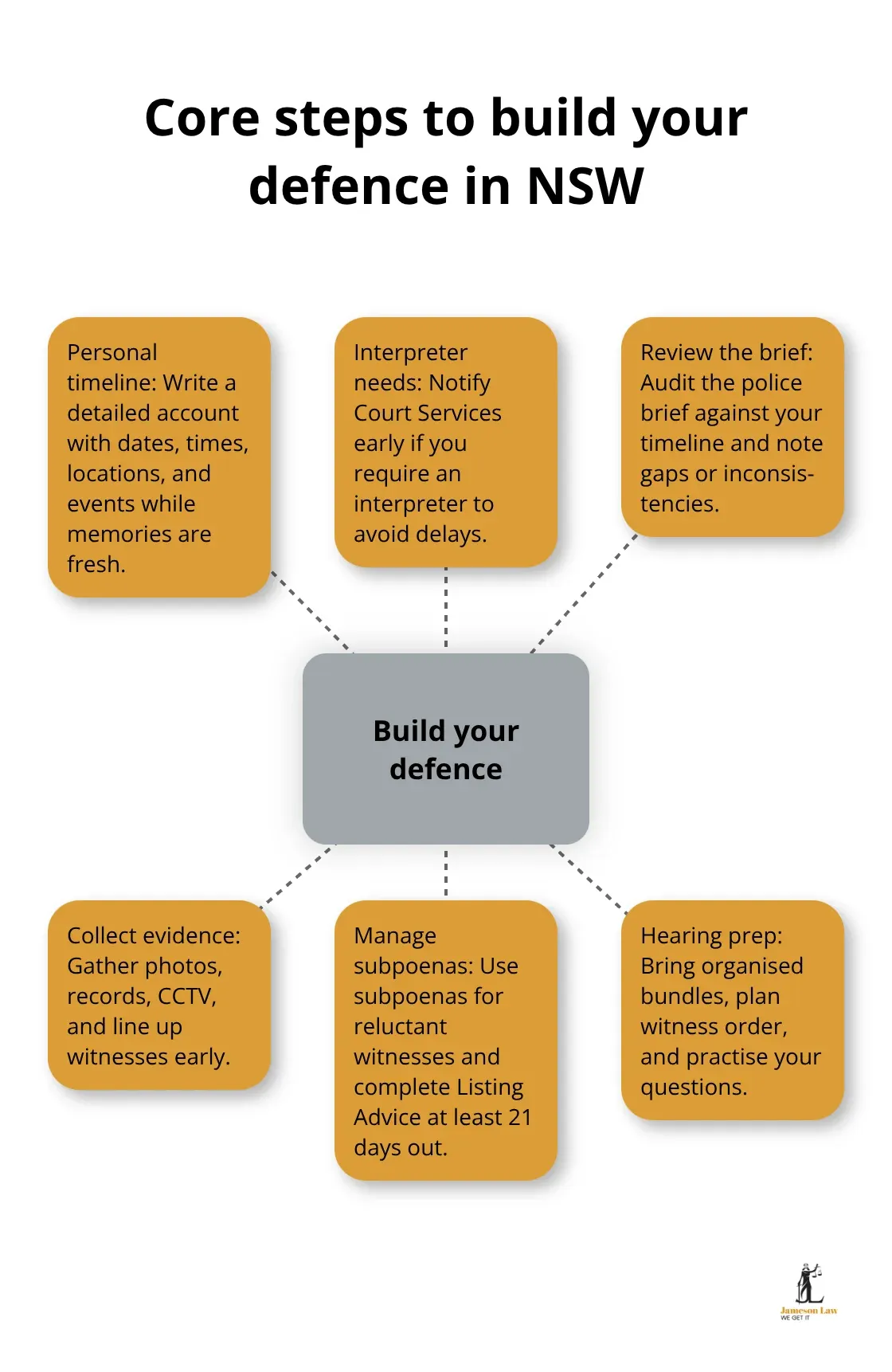
Furthermore, if English is not your primary language, you must formally notify court registry staff well in advance so they can arrange an accredited interpreter for the final hearing date, ensuring your right to a fair trial is preserved.
Preparing Your Case for the Hearing
On the day of your defended hearing, ensure you arrive with your complete brief of evidence, CAN documents, and multiple organized copies of any independent items you intend to tender to the court. Having a highly disciplined strategy ensures that cross-examination of prosecution witnesses remains targeted on factual gaps and inconsistencies, directly reinforcing your position before the presiding magistrate.
Final Thoughts
Successfully defending criminal charges NSW requires strategic execution, methodical evidence tracking, and decisive action from the very outset of your matter. The preparation phase before you ever step into a courtroom routinely dictates the final outcome, which is why securing authoritative legal guidance early is your single greatest asset.
The laws of New South Wales grant you robust legal protections—including the right to remain silent and the right to inspect the prosecution’s brief before a trial—but these mechanisms are only effective if deployed skillfully. Missing procedural deadlines or failing to preserve eroding evidence can permanently compromise an otherwise strong defence.
If you or a loved one are facing criminal allegations and require highly experienced court representation, contact Jameson Law today. Our expert Sydney defence team provides clear, practical legal advice tailored to your specific circumstances, ensuring your rights are aggressively protected. Take the necessary steps to safeguard your future now.