De Facto Visa Requirements NSW: What Couples Should Know
A plain-English guide to Australian de facto partner visa requirements for couples in NSW, including the 12-month rule, evidence and visa pathways.



WE'RE IN IT TO WIN IT
This form submission is encrypted and secured to ensure your information remains confidential.
Have you been charged with a criminal offence and have to appear at Central Local Court? If you’ve been served with a Court Attendance Notice, seek legal advice as soon as possible. The sooner you act, the sooner your matter can be done with. You can find information about the Central Local Court on this page.
You are required to attend Court every day your matter is listed — unless you have a Sydney Criminal Law legal representative and they ask for you to be excused on the next occasion. If the court excuses you, you won’t have to attend the next mention. However, you still have to attend your hearing or sentencing.
How to get to Central Local court:
Train: Central Local Court is a short walk from Museum Station, it is also close to Town Hall Station and is reachable by train from anywhere on the Sydney Trains Network.
Bus: There are regular bus services nearby Central Local Courthouse and Museum/Town Hall train station, in particular on Burwood Road.
Drive: Central Local Court is located in the centre of Sydney CBD.
Is there parking available?
Central Local Court has limited parking spaces nearby, most parking would have to be paid for in parking lots such as Secure Parking – World Square Car Park. The court house is a short walking distance from the nearby parking lots.
What are the nearest landmarks?
The nearest land marks include Sydney Town Hall and World Square.
We are experienced Sydney criminal lawyers who will guide you through the justice system with confidence and ease. We have appeared in Local and District courts across Sydney. We can help you achieve a better outcome for your court matter.
Our criminal law knowledge and experience is your best defence. From criminal cases to bail applications, our lawyers are ready to fight for you. Contact Jameson Law for advice on your legal situation now.

WE'RE IN IT TO WIN IT
This form submission is encrypted and secured to ensure your information remains confidential.
A plain-English guide to Australian de facto partner visa requirements for couples in NSW, including the 12-month rule, evidence and visa pathways.
A plain-English guide to NSW criminal proceedings, including police interviews, Local Court mentions, committal, trial, sentence and appeal.
A plain-language guide to personal injury claims in NSW, covering claim pathways, key time limits, evidence, insurer decisions, compensation and legal costs.
Protect your motorcycle injury rights in NSW after an accident. Learn claim steps, evidence gathering, and legal support options.
Discover what factors influence your personal injury settlement amount and how compensation is calculated in NSW.
Jameson Law represented an applicant in a successful Administrative Review Tribunal review of a character grounds visa cancellation involving an extensive criminal history and...
Jameson Law represented a client in an Administrative Review Tribunal migration review. The ART set aside the adverse decision and remitted the matter to...
Jameson Law assisted a Subclass 820 visa holder to obtain a permanent Subclass 801 partner visa after separation by addressing the applicable child-related criteria.
Claim compensation for psychological injury at workplace incidents in NSW. Learn your rights and get support today.
Understand how long workers compensation claims take in NSW. Learn key timelines and factors that affect your workplace injury case resolution.
Discover common reasons workers injury claims get denied and how to strengthen your case for approval.
Defend yourself against assault charges in NSW with expert legal strategies and court tactics. Learn practical steps to build your defence.
Jameson Law assisted a client whose Student visa was at risk after they ceased studying. The confirmed outcome was that the client’s visa was...
Jameson Law assisted a client whose Visitor visa applications had been refused multiple times. After reviewing the earlier decisions, obtaining supporting documents and preparing...
An Australian Partner visa applicant with a criminal record may face detailed character assessment, but refusal is not automatic. This success story explains how...
Jameson Law assisted a Partner visa applicant after relationship breakdown and psychological family violence. Detailed submissions and supporting evidence addressed the Department’s request, and...
This success story explains how a client received a Bridging Visa E permitting work and study, while clarifying that work rights depend on the...
Understand the serious consequences of breaching an AVO in NSW, from criminal charges to jail time and fines.
Gather essential visa documentation for NSW applications and avoid delays with our complete checklist guide.
Understand how points-based visas in NSW work and boost your skilled migration chances with our practical guide.
Understand spouse visa Australia timelines, requirements, and processing steps from application to approval.
Understand why your visa was rejected and learn how to appeal. Expert guidance on immigration visa appeals and next steps for Australian applicants.
Understand your workers compensation NSW claims rights, the process to lodge, and how to get the support you deserve after a workplace injury.
Defend yourself against theft charges NSW. Learn what evidence prosecutors need, common defences, and how to challenge shoplifting accusations effectively.
Challenge breathalyser evidence in NSW with expert guidance from our drink driving lawyer. Learn proven defences and your legal rights today.
Defend yourself against serious assault allegations in NSW. Learn legal strategies, evidence challenges, and your rights in court.
Understand your rights when police arrest you without a warrant in NSW. Learn what happens next and protect yourself from criminal charges.
Find expert Defence Lawyer Sydney representation for criminal charges, traffic matters, and personal injury claims with experienced local legal guidance.
Learn how to lodge workers compensation NSW claims with our step-by-step guide. Get expert advice on eligibility, documentation, and the claims process.
Review our visa application checklist Australia to ensure you have all required documents and avoid costly delays in your migration journey.
Explore skilled visa nomination pathways in NSW and discover your route to Australia's skilled migration program with expert guidance.
Understand NSW criminal court processes from arrest through sentencing. Our guide explains each stage clearly so you know what to expect.
Understand bridging visa requirements in Australia with our step-by-step guide. Learn eligibility, application process, and key conditions today.
Learn the NSW conveyancing steps you need to follow as a property buyer, from offer to settlement, in this practical guide.
Resolve building disputes in NSW with practical legal guidance on construction issues, timeline management, and dispute resolution options.
Resolve building disputes in NSW with practical steps to manage construction conflicts and protect your interests effectively.
Discover NSW personal injury claim deadlines and time limits to protect your legal rights and compensation eligibility today.
Understand your NSW police interview rights and protect yourself during questioning. Learn what you can and cannot do.
Get your temporary visa Australia requirements checklist and ensure you meet all documentation and eligibility criteria before applying.
Learn how to lodge a visa Australia application with our step-by-step guide. Expert immigration advice for Australian residents.
FAQs
If you’re a party to a case in the NSW Local, District or Supreme Court, you can use the NSW Online Registry website to:
Search for cases.
View case information.
Download case documents (such as judgements and court orders)
View court dates.
The most recently published judgments and decisions are listed on the NSW Caselaw homepage. To find judgments or decisions of a particular court or tribunal, use the Caselaw advanced search and browse pages.
It is open to the public, but attendance is required in person. Please adhere and check the latest court memorandums regarding attendance.
A criminal defence is a term used when a person defends themselves against a criminal charge. If the person is disputing that they have committed the offence then their legal representative/lawyers will provide evidence that they have not committed the offence. Alternatively, if the person is not disputing that they committed the offence then a criminal defence will need to be provided which explains why they committed the offence and under what circumstances.
The magistrate will consider the evidence provided by both the prosecution and defence along with any evidence provided by the police. Typically, prosecution and police will work together to ensure the person holds a conviction for their crime. A criminal defence will always try to rebut the evidence which is relied on by the prosecutor and seeks to essentially poke holes in their story so that their evidence is not credible.
WE'RE IN IT TO WIN IT
This form submission is encrypted and secured to ensure your information remains confidential.
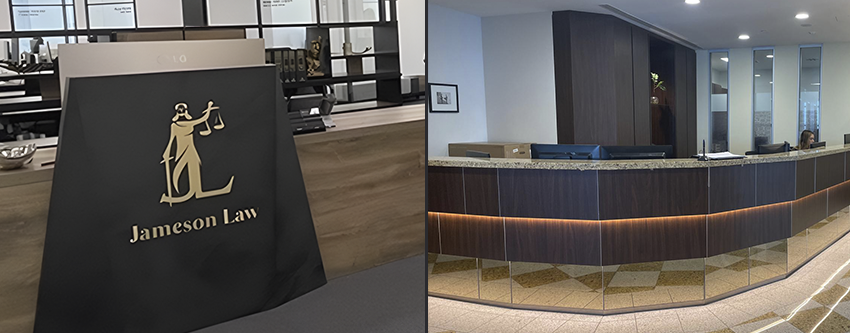
Our Sydney Offices




Court Houses We Frequent
Registry: Monday to Friday, 9:00am to 4:30pm
Court Operating Hours: 9:30am-4:30pm
Registry Hours: 9:00 – 4:30
Telephone Hours: 8:30 -4:30
Days open: Mon-Fri
Registry Hours: 9:00 – 4:30
Telephone Hours: 8:30 – 4:30
Days open: Mon – Fri
Registry Hours: 9:00 – 4:30
Telephone Hours: 8:30 – 4:30
Days open: Mon – Fri
Registry Hours: 9:00 – 1:00 and 2:00 – 4:30
Telephone Hours: 8:30 – 4:30
Registry Hours: 9:00 – 1:00 and 2:00 – 4:30
Telephone Hours: 8:30 – 4:30
Registry Hours: 9:00 – 1:00 and 2:00 – 4:30
Telephone Hours: 8:30 – 4:30
Registry Hours: 9:00 – 1:00 and 2:00 – 4:30
Telephone Hours: 8:30 – 4:30
Registry Hours: 9:00 – 1:00 and 2:00 – 4:30
Telephone Hours: 8:30 – 4:30
Registry Hours: 9:00 – 1:00 and 2:00 – 4:30
Telephone Hours: 8:30 – 4:30
Registry Hours: 9:00 – 1:00 and 2:00 – 4:30
Telephone Hours: 8:30 – 4:30
Registry Hours: 9:00 – 1:00 and 2:00 – 4:30
Telephone Hours: 8:30 – 4:30
Registry Hours: 9:00 – 1:00 and 2:00 – 4:30
Telephone Hours: 8:30 – 4:30
Registry Hours: 9:00 – 1:00 and 2:00 – 4:30
Telephone Hours: 8:30 – 4:30
Registry Hours: 9:00 – 1:00 and 2:00 – 4:30
Telephone Hours: 8:30 – 4:30
Registry Hours: 9:00 – 1:00 and 2:00 – 4:30
Telephone Hours: 8:30 – 4:30
Registry Hours: 9:00 – 1:00 and 2:00 – 4:30
Telephone Hours: 8:30 – 4:30
Registry Hours: 9:00 – 1:00 and 2:00 – 4:30
Telephone Hours: 8:30 – 4:30
Registry Hours: 9:00 – 4:30
Telephone Hours: 8:30 – 4:30
Days open: Mon – Fri
Registry Hours: 9:00 – 4:30
Days open: Mon-Fri
Registry Hours: 9:00 – 4:30
Days open: Mon-Fri
Registry Hours: 9:00 – 4:30
Days open: Mon – Fri
Registry Hours: 9:00 – 4:30
Days open: Mon – Fri
Registry Hours: 9:00 – 1:00 and 2:00 – 4:30
Telephone Hours: 8:30 – 4:30
Registry Hours: 9:00 AM – 4:30 PM
Telephone Hours: 8:30 AM – 4:30 PM
Days Open: Monday to Friday
Registry Hours: 9:00 AM – 4:30 PM
Telephone Hours: 8:30 AM – 5:00 PM
Days Open: Monday to Friday
Monday to Friday, 8:30 AM – 4:30 PM
Monday to Friday, 8:30 AM – 5:00 PM
Registry Hours: 9:00 AM – 4:30 PM
Telephone Hours: 8:30 AM – 4:30 PM
Days Open: Monday to Friday
Registry Hours: 9:00 AM – 4:30 PM
Telephone Hours: 8:30 AM – 4:30 PM
Days Open: Monday to Friday
Registry Hours: 9:00 AM – 4:30 PM
Telephone Hours: 8:30 AM – 4:30 PM
Days Open: Monday to Friday
Registry Hours: 9:00 AM – 4:30 PM
Telephone Hours: 8:30 AM – 4:30 PM
Days Open: Monday to Friday
WE'RE IN IT TO WIN IT

This form submission is encrypted and secured to ensure your information remains confidential.